
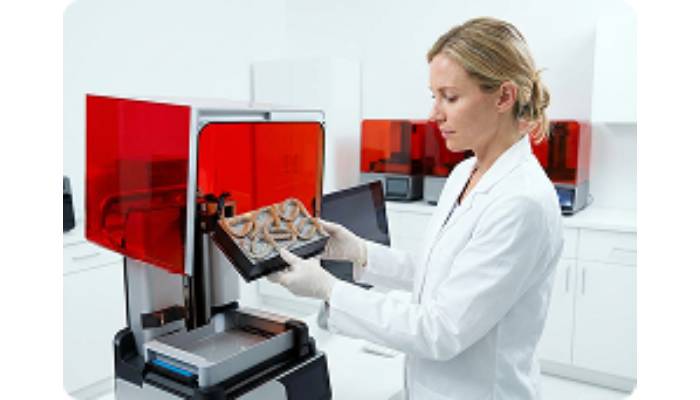
Modern healthcare is changing fast, and technology plays a big role in improving surgical accuracy. A 3D printer for implant surgical guide helps doctors create precise tools that guide implants during surgery. This technology makes procedures safer, faster, and more reliable for patients. It works by turning digital scans into physical guides that match a patient’s exact anatomy. Because of this, surgeons can plan better and reduce errors during operations. In this article, you will learn how this technology works, why it is important in modern medicine, and how it helps improve surgical outcomes in a simple and clear way.
What Is a 3D Printer for Implant Surgical Guide?
Definition and Basic Concept
A 3D printer for implant surgical guide is a special machine used to create custom guides that help doctors place implants with high accuracy. These guides are designed using digital data from a patient’s mouth or body. Once designed, the printer builds the guide layer by layer using medical-grade materials.
The main idea is to turn digital plans into physical tools that assist during surgery. This reduces guesswork and helps surgeons follow a precise path. For example, in dental implants, the guide ensures the implant is placed at the correct angle and depth, improving overall treatment success.
Importance in Modern Dentistry and Surgery
The use of a 3D printer for implant surgical guide has become very important in modern healthcare. It allows doctors to plan surgeries in advance and perform them with better control. This is especially useful in dental and orthopedic procedures where precision matters a lot.
By using these guides, surgeons can reduce errors and improve patient safety. It also helps in handling complex cases that are difficult with traditional methods. For instance, patients with bone loss or unusual anatomy benefit greatly because the guide is customized to their exact condition.
Key Components of the Technology
A 3D printer for implant surgical guide works with several key components. First, there is a digital scanner that captures accurate images of the patient’s anatomy. Second, specialized software is used to design the surgical guide based on this data.
The third component is the 3D printer itself, which produces the guide using materials like resin or plastic. Finally, post-processing tools are used to clean and prepare the guide for surgery. All these components work together to create a reliable and precise surgical tool.
How a 3D Printer for Implant Surgical Guide Works
Digital Scanning and Data Collection
The process starts with digital scanning. Dentists or surgeons use advanced scanners to capture detailed images of the patient’s teeth, jaw, or bones. These scans are very accurate and provide a clear view of the treatment area.
The data collected is then converted into a digital model. This model acts as the base for designing the surgical guide. For example, in dental procedures, intraoral scanners are commonly used to capture the exact shape of the patient’s mouth.
Designing the Surgical Guide with Software
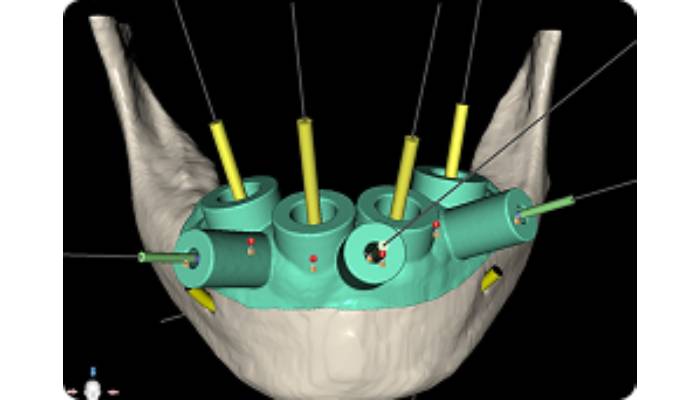
Once the scan is ready, specialized software is used to design the surgical guide. The surgeon plans the exact position, angle, and depth of the implant on the digital model.
The software then creates a guide that fits perfectly over the patient’s anatomy. It includes holes or slots that direct surgical tools during the procedure. This step ensures that the final guide matches the treatment plan accurately.
3D Printing Process Step by Step
After the design is complete, the file is sent to the 3D printer. The 3D printer for implant surgical guide builds the guide layer by layer using materials like biocompatible resin.
The printing process may take a few hours depending on the complexity of the design. Once printed, the guide is cleaned and cured to make it strong and safe for use. This step ensures the final product is durable and precise.
Final Preparation Before Surgery
Before using the guide in surgery, it goes through final preparation. This includes cleaning, sterilization, and quality checks. The guide must be safe and ready for medical use.
The surgeon also reviews the guide to ensure it fits correctly and matches the treatment plan. In some cases, a test fitting is done on a model. This final step ensures everything is perfect before the actual procedure.
Benefits of Using a 3D Printer for Implant Surgical Guide
Improved Accuracy and Precision
One of the biggest advantages of a 3D printer for implant surgical guide is accuracy. The guide helps surgeons place implants exactly where planned. This reduces the risk of mistakes and improves overall results.
For example, in dental implants, even a small error can cause problems. Using a guide ensures the implant is placed correctly, leading to better stability and long-term success.
Reduced Surgery Time
Using a surgical guide can significantly reduce the time required for surgery. Since the planning is done in advance, the surgeon does not need to make many adjustments during the procedure.
This makes the process faster and more efficient. Shorter surgery time also means less discomfort for the patient and quicker recovery.
Better Patient Outcomes
Patients benefit greatly from the use of a 3D printer for implant surgical guide. The procedure becomes safer, more predictable, and less invasive.
Better accuracy leads to improved healing and fewer complications. Patients often experience less pain and faster recovery compared to traditional methods.
Cost-Effectiveness in the Long Run
Although the initial investment may be high, using this technology can save money over time. Fewer errors and complications mean less need for corrective procedures.
It also improves efficiency in clinics, allowing more patients to be treated in less time. This makes it a cost-effective solution in the long run.
Applications of 3D Printer for Implant Surgical Guide
Dental Implant Procedures
The most common use of a 3D printer for implant surgical guide is in dental implant procedures. It helps dentists place implants with high precision, improving success rates.
The guide ensures correct positioning, which is important for both function and appearance. This is especially useful for full-mouth restorations and complex cases.
Orthopedic Surgeries
In orthopedic surgeries, surgical guides are used to assist in procedures involving bones and joints. They help in placing screws, plates, or implants accurately.
For example, in knee or hip surgeries, these guides improve alignment and reduce the risk of errors. This leads to better outcomes and faster recovery for patients.
Maxillofacial and Complex Cases
Maxillofacial surgeries involve the face, jaw, and skull, which require high precision. A 3D printer for implant surgical guide is very helpful in these complex cases.
Custom guides are designed to match the patient’s unique anatomy. This makes it easier to perform difficult procedures with confidence and accuracy.
Challenges and Limitations of 3D Printer for Implant Surgical Guide
Initial Setup Costs
One of the main challenges is the high initial cost. Buying a 3D printer for implant surgical guide and related software can be expensive.
Small clinics may find it difficult to invest in this technology. However, the long-term benefits often justify the cost.
Technical Skills Required
Using this technology requires proper training. Dentists and technicians need to learn how to use scanners, software, and printers effectively.
Without the right skills, it can be difficult to get accurate results. This makes training an important part of adopting this technology.
Material and Printing Limitations
The materials used in 3D printing have some limitations. Not all materials are suitable for every type of surgery.
In some cases, the printed guide may not be as strong as needed. Also, printing errors can occur if the machine is not properly maintained.
Future of 3D Printer for Implant Surgical Guide Technology
Advancements in Printing Materials
The future of a 3D printer for implant surgical guide looks promising with new materials being developed. These materials are stronger, safer, and more suitable for medical use.
Improved materials will make guides more durable and reliable. This will expand their use in different types of surgeries.
Integration with AI and Automation
Artificial intelligence is starting to play a role in designing surgical guides. AI can help analyze data and create better designs quickly.
Automation can also make the printing process faster and more efficient. This will reduce manual work and improve overall accuracy.
Growing Adoption in the Healthcare Industry
More hospitals and clinics are adopting this technology as it becomes more affordable and accessible. The benefits of accuracy and efficiency are driving its popularity.
As awareness grows, the use of a 3D printer for implant surgical guide is expected to increase worldwide. This will lead to better healthcare outcomes and improved patient care.
Conclusion
A 3D printer for implant surgical guide streamlines the process of planning and executing precise surgeries, combining digital scanning, specialized software, and high-quality printing to create accurate guides. These guides improve safety, reduce surgical time, and enhance outcomes for patients. By understanding how each component works together, dental and medical professionals can make informed decisions and achieve predictable results. As technology continues to evolve, integrating 3D printing into surgical workflows promises even greater efficiency and precision, making modern procedures safer and more effective for both surgeons and patients.
Q1: What is a 3D printer for implant surgical guide?
A 3D printer for implant surgical guide is a device used to create precise, custom guides for dental or surgical implants. It helps surgeons plan and perform procedures accurately by translating digital scans into physical models that ensure proper implant placement.
Q2: How does a 3D printer for implant surgical guide work?
The printer works by using digital scans of a patient’s anatomy to build a surgical guide layer by layer. This guide indicates the exact location, angle, and depth for implants, making surgeries safer and more precise while reducing human error.
Q3: Why are 3D printed implant guides important?
These guides improve surgical accuracy, reduce procedure time, and minimize risks. They allow surgeons to plan ahead, avoid complications, and provide patients with better outcomes. Using a 3D printer for implant surgical guide ensures predictable and efficient implant placement.
Q4: Are 3D printed surgical guides expensive?
The cost depends on the printer type, material, and complexity of the guide. While initial investment can be high, the accuracy, efficiency, and reduced surgical risks often justify the cost, making it a valuable tool for dental and surgical practices.
Q5: What are the main benefits of using a 3D printer for implant surgical guide?
Benefits include precise implant placement, shorter surgery time, less patient discomfort, and improved recovery. Surgeons can plan procedures digitally and create custom guides, ensuring accuracy and consistent results for every patient.