
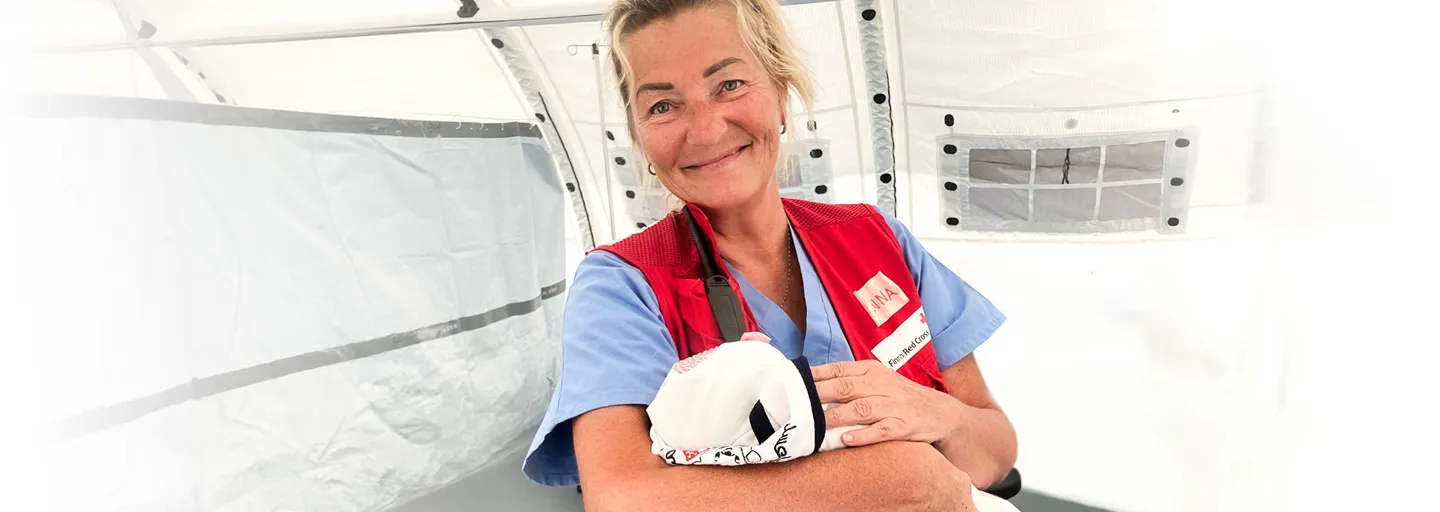
When disaster strikes, the impact is often far greater than what headlines can capture. And in recent times, from earthquakes and floods to wildfires and pandemics, crises are becoming more frequent and severe.
In fact, the World Health Organization (WHO) has consistently highlighted that emergencies and disasters continue to affect millions of people each year, putting immense pressure on health systems and humanitarian response efforts worldwide. On a broader scale, the global cost of disasters has now exceeded $2.3 trillion annually. This reflects not just financial damage but also the immense human suffering involved.
Behind every statistic are families displaced, communities disrupted, and lives forever changed. This is where humanitarian organizations step in—but they cannot do it alone. The effectiveness of any response effort depends heavily on public support, whether through donations, volunteering, or awareness.
The truth is simple: even small contributions can create a ripple effect. That said, here are some powerful ways your support can make a real difference when disaster response efforts are underway.
1. Providing Immediate Relief to Those in Need
In the immediate aftermath of a disaster, survival becomes the top priority. People often lose access to food, clean water, shelter, and basic medical care within hours. In such situations, relief efforts need to move quickly and efficiently to make a real impact.
Hence, by supporting the reliable disaster response organizations at that time, you play a direct role in making sure help reaches people exactly when they need it most. This kind of support enables trained teams to respond without delay, bringing structure and coordination to otherwise chaotic conditions.
Well-established humanitarian organizations such as The American National Red Cross take on this responsibility, working on the ground to manage resources and reach people quickly. Once that immediate support system is activated, your contribution helps provide:
- Emergency shelters for families who have lost their homes.
- Ready-to-eat meals and safe drinking water.
- Basic medical care and first aid supplies.
- Hygiene kits and essential daily-use items.
Speed is everything during emergencies. Relief efforts are often mobilized within 24 to 72 hours, and without public support, this rapid response would not be possible. In simple terms, your support helps transform uncertainty into immediate relief—giving people safety, stability, and a chance to begin again.
2. Supporting Search, Rescue, and Emergency Teams
Disaster zones are often chaotic and dangerous. Roads may be blocked, communication systems down, and infrastructure severely damaged. In such conditions, trained responders play a critical role in saving lives. Support for disaster response enables:
- Deployment of trained rescue teams.
- Access to specialized equipment.
- Coordination of emergency operations.
Globally, humanitarian networks consist of millions of volunteers and responders working across countries to reach affected populations . These teams rely heavily on funding and logistical support to operate effectively. Your contribution ensures that help reaches people trapped under debris, stranded in floods, or isolated in remote areas—often within the crucial “golden hours” after a disaster.
3. Helping Communities Recover and Rebuild
Disaster response doesn’t end when the immediate crisis is over. In many cases, the recovery phase lasts months or even years. Families must rebuild homes, restore livelihoods, and regain a sense of normalcy.
Support during this phase helps:
- Reconstruct homes and infrastructure.
- Provide financial assistance to affected families.
- Restore schools, healthcare, and local services.
Recovery is essential because disasters often push vulnerable communities deeper into poverty. Studies show that better preparedness and recovery efforts significantly reduce long-term damage and suffering . This way, by supporting the right initiatives, you are not just helping people survive—you are helping them rebuild their future.
4. Bringing Hope and Emotional Support to Survivors
Beyond physical damage, disasters leave deep emotional and psychological scars. Losing a home, loved ones, or a sense of security can have long-lasting effects on mental health. Support for disaster response also goes toward:
- Counseling and mental health services.
- Family reunification programs.
- Community support
For example, humanitarian networks actively work to reconnect families separated during crises and provide emotional support to survivors coping with trauma. Sometimes, the most powerful impact of your support is not material—it’s the reassurance that people are not alone in their darkest moments. That sense of hope can be just as vital as food or shelter.
Conclusion
Disasters may be unpredictable, but our response to them doesn’t have to be. Every contribution—whether it’s time, money, or awareness—plays a crucial role in shaping how effectively communities can respond and recover.
From delivering immediate relief to rebuilding lives and preparing for the future, your support fuels every stage of disaster response. In a world where crises are becoming more frequent and severe, collective action is no longer optional—it’s essential. Because at the heart of every response effort lies a simple truth: when people come together to help, recovery becomes possible—and hope becomes stronger than the disaster itself.