
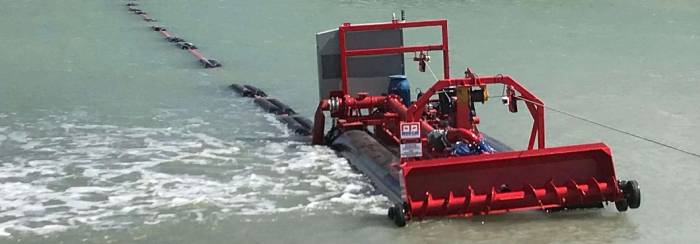
Auger dredges offer remarkable benefits that set them apart in the dredging industry. First, they produce low turbidity levels, which is vital for maintaining water clarity in sensitive environments. Second, their cost-effective design means lower initial investments and maintenance costs compared to larger cutter suction dredges. Third, the even bottom profile they create simplifies further dredging tasks and enhances overall efficiency. Fourth, auger dredges are incredibly versatile; they’re effective for everything from irrigation canals to environmental cleanups of contaminated sediments. Lastly, their self-propelled and transportable nature reduces labor costs and makes moving between project sites a breeze.
1. Low Turbidity for Clear Water
Using an auger dredge significantly reduces turbidity levels, resulting in clearer water during and after dredging operations. This is mainly due to the minimal sediment disturbance that occurs, making it an ideal choice for projects near sensitive ecosystems like lakes and rivers. The enclosed design of the auger system prevents much of the sediment from being resuspended, which helps protect aquatic life from harmful effects. Additionally, clearer water improves visibility for underwater inspections and monitoring, allowing for more effective evaluations of aquatic habitats. After dredging, the fast recovery of these habitats leads to a healthier ecosystem. Clear water also benefits recreational activities, promoting tourism and enhancing public enjoyment of natural water bodies. By maintaining low turbidity, auger dredges facilitate compliance with environmental regulations, reducing the risk of costly fines associated with high turbidity levels. This commitment to environmental stewardship not only fosters public trust but also showcases a dedication to sustainable practices.
- Minimal sediment disturbance during operation leads to better water quality.
- Ideal for projects near sensitive ecosystems, like lakes and rivers.
- Reduces the risk of harming aquatic life due to less sediment resuspension.
- Enhances visibility for underwater inspections and monitoring.
- Allows for quicker recovery of aquatic habitats post-dredging.
- Improves water clarity for recreational activities, promoting tourism.
- Facilitates compliance with environmental regulations by ensuring low turbidity levels.
- Reduces the likelihood of costly fines associated with high turbidity breaches.
- Enables clearer water for construction projects near water bodies.
- Increased public trust and satisfaction due to environmentally friendly practices.
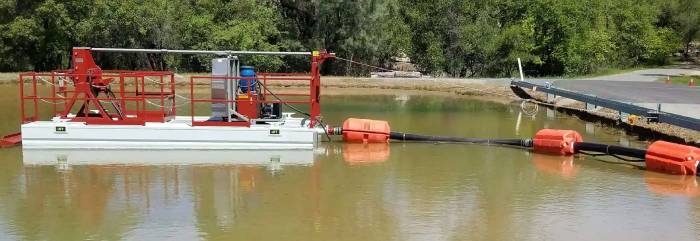
2. Cost-Effective Dredging Solutions
Using an auger dredge can dramatically lower your dredging costs. With a lower initial purchase price compared to larger dredging equipment, you can get started without breaking the bank. The efficient design of these dredges also means they consume less fuel, which translates to significantly reduced operational costs. Additionally, because they have fewer moving parts, there’s less wear and tear on the machinery, leading to lower maintenance expenses over time. This equipment can operate effectively in a wider range of conditions, often eliminating the need for additional gear, which further cuts down costs. Shorter project timelines thanks to their efficient dredging capabilities not only save on labor costs but also allow you to take on more contracts. With the flexibility to handle smaller projects that larger dredges cannot, auger dredges open the door to a broader range of opportunities. This versatility can lead to higher profit margins as overall project costs decrease. Plus, the simpler technology means reduced training requirements for operators, making it easier to scale up your workforce. All these factors combined can enhance your return on investment, making auger dredges an attractive option for any dredging contractor.
3. Consistent Bottom Profiles
Using an auger dredge ensures a consistent bottom profile, which is essential for many dredging projects. This uniformity is critical for construction and maintenance, allowing for smoother operations. When the dredged surfaces are even, it simplifies follow-up tasks like dredging or landscaping, reducing the time and effort needed for additional work. Plus, consistent cuts minimize operational delays, as uneven areas can often lead to unexpected interruptions.
Additionally, creating navigable waterways with uniform depths enhances water flow and drainage in canals and rivers, which is vital for environmental health. Better sediment management becomes possible with even profiles, making disposal strategies more effective. Predictable outcomes from dredging projects allow for improved planning and easier assessments of success. Not only does this enhance the aesthetic quality of dredged areas, appealing to stakeholders, but it also reduces the need for remedial work after dredging operations, making the entire process more efficient.
4. Versatile Use Across Applications
Auger dredges shine in their versatility, making them a go-to choice for a variety of projects. They are effective in different environments, from the calm waters of freshwater lakes to the dynamic conditions of coastal areas. This adaptability allows them to handle various materials, including silt, sand, and clay, which is essential for diverse project types such as environmental restoration and infrastructure development. Whether you need to tackle a small pond dredging or a large reservoir maintenance project, auger dredges can meet your requirements. They excel in confined spaces where larger dredges cannot operate, making them perfect for urban settings with limited access. Moreover, their ability to dredge contaminated sites with minimal disturbance to pollutants supports crucial environmental cleanup efforts. By contributing to projects aimed at improving water quality and habitat restoration, auger dredges play a vital role in preserving our ecosystems. Their operational efficiency in diverse conditions maximizes productivity, proving they are not just a tool, but a valuable asset in any dredging operation.
5. Self-Propelled and Easy to Transport
Self-propelled auger dredges offer unmatched maneuverability across various water bodies, making them a game-changer in the dredging industry. Their ability to navigate around obstacles without extensive anchoring systems saves both time and labor, significantly enhancing operational efficiency. For example, in busy river systems with numerous barriers, these dredges can effortlessly adjust their paths, ensuring that projects stay on schedule.
Moreover, their trailer-friendly designs simplify transportation logistics, allowing contractors to relocate quickly between job sites. This quick setup and mobilization means that when project needs change or emergencies arise, operators can respond swiftly and effectively. The ability to work in shallow waters where larger vessels may struggle further highlights the versatility of these self-propelled units. With minimal downtime during transport, they keep projects moving forward without unnecessary delays. This responsiveness not only optimizes fleet management but also helps contractors cut costs, making auger dredges an ideal choice for modern dredging operations.
Frequently Asked Questions
What types of projects can benefit from using an auger dredge?
Auger dredges are great for many projects, like digging canals, maintaining water depths in lakes, and even cleaning up sediments from harbors.
How does an auger dredge work to remove material from the water?
An auger dredge uses a spiral tool to twist into the ground and scoop up materials, then it carries them to the surface for disposal or use.
Are auger dredges suitable for both large and small-scale operations?
Yes, auger dredges can handle both, from big government projects to small personal ones, making them quite versatile.
What are the environmental advantages of using an auger dredge?
Auger dredges are designed to minimize disturbance to the surrounding area, which helps protect wildlife and keeps the ecosystem healthy.
Can anyone operate an auger dredge, or do you need special training?
While some basic knowledge helps, it’s usually a good idea to get training to ensure safe and effective operation of an auger dredge.