
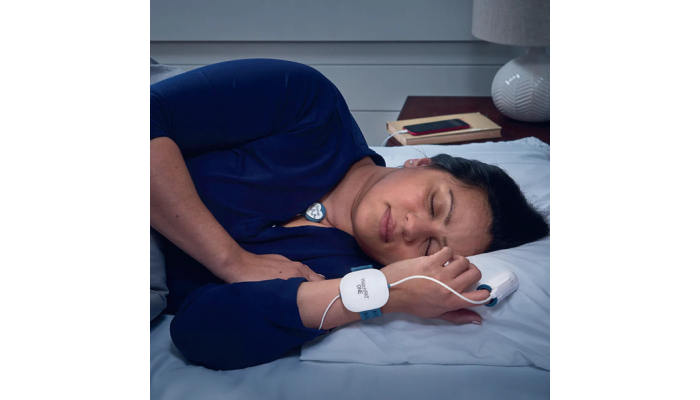
If you often feel exhausted even after a full night’s sleep, it might be time to consider an at-home sleep apnea test. Loud snoring, especially if it includes gasping or choking sounds, can also indicate a problem. If your sleep partner notices you stopping breathing or struggling for air during the night, that’s another significant red flag. Frequent awakenings throughout the night disrupts your rest and could suggest underlying issues like sleep apnea. Finally, if you’re finding yourself unusually sleepy during the day and struggling to concentrate, these symptoms may point toward a need for further investigation into your sleeping patterns.
1. Persistent Fatigue and Sleepiness
Feeling tired even after a full night’s sleep can be a significant sign of sleep apnea. This condition disrupts your sleep cycle, preventing you from entering the deeper stages of restorative sleep. At home sleep apnea test result, you may wake up feeling just as exhausted as when you went to bed. This persistent fatigue can spill over into your daily life, making it hard to concentrate and perform routine tasks. You might find yourself struggling to get through the day, feeling irritable or moody due to chronic sleep deprivation. Many individuals with sleep apnea report difficulty waking up in the mornings, often feeling groggy and unrefreshed. Over time, this ongoing fatigue can lead to serious health issues, including heart disease or diabetes. Recognizing that your tiredness isn’t just a normal part of life can be the first step toward addressing your sleep health.
- Feeling tired despite getting adequate sleep can indicate sleep apnea.
- Sleep disruptions prevent achieving restorative sleep, leading to daytime fatigue.
- Low energy levels can affect your ability to perform daily tasks effectively.
- Chronic sleep deprivation may lead to mood swings and irritability.
- Experiencing difficulty waking up in the morning is a common symptom.
- Persistent fatigue can result in decreased productivity at work or school.
- Difficulty concentrating or memory issues can arise from lack of sleep.
- Long-term fatigue may contribute to other health problems, such as heart disease or diabetes.
- Many people with sleep apnea often do not feel refreshed after a night’s sleep.
- Recognizing persistent fatigue as a sign can prompt further investigation into sleep health.
2. Loud and Chronic Snoring
Frequent and loud snoring can be more than just a nighttime nuisance; it can disrupt the sleep of those around you, often leading to relationship strain. If your snoring is chronic and accompanied by gasping or choking sounds, it may be a clear sign of obstructive sleep apnea. This is particularly true if your snoring becomes more pronounced when you sleep on your back. While occasional snoring can be linked to simple issues like nasal congestion or allergies, persistent snoring should not be overlooked. Partners and family members are usually the first to notice changes in snoring patterns, and their observations can be crucial. Loud snoring can also create feelings of embarrassment or stress for the person snoring. Although not every snorer has sleep apnea, frequent loud snoring is a significant risk factor. Health professionals may suggest sleep studies to evaluate the severity of your snoring. In some cases, making lifestyle changes can help reduce snoring, but ongoing issues may require further assessment. Understanding your snoring patterns is essential in identifying your risk for sleep apnea.
3. Breathing Interruptions During Sleep
Noticing episodes where your breathing stops or becomes shallow during sleep can be a strong indicator of sleep apnea. Often, these breathing interruptions are first observed by partners, making their input invaluable. If you frequently wake up gasping for air or feeling short of breath, it can be alarming and may point to serious underlying sleep issues. Shallow breathing can lead to decreased oxygen levels during sleep, which negatively impacts your overall health. Frequent pauses in breathing can disrupt your sleep cycle, preventing you from achieving the restorative sleep your body needs. Many people are unaware of their breathing interruptions unless they are informed by a partner, which highlights the importance of open communication about sleep habits. As sleep apnea progresses, breathing irregularities often increase in severity. Additionally, nighttime breathing issues can heighten anxiety about sleep, causing further disturbances. Sleep studies are an effective way to confirm the presence of these interruptions and recognizing them is crucial for seeking proper diagnosis and treatment.
4. Frequent Nighttime Awakenings
Waking up several times during the night can be more than just a nuisance; it may indicate underlying sleep disorders, such as insomnia or sleep apnea. When you frequently disrupt your sleep cycle, it can prevent you from reaching those deep, restorative stages of sleep. As a result, you might feel groggy or confused when you wake up, struggling to fall back asleep each time. While some people might attribute these awakenings to stress or anxiety, they could very well be linked to sleep apnea, which is characterized by breathing interruptions during sleep. Keeping a sleep diary can help you track these nighttime disruptions and identify any patterns. You might also notice physical symptoms, like waking up sweating or feeling uncomfortable. Recognizing these frequent awakenings is crucial for understanding your overall sleep health.
5. Daytime Sleepiness and Impaired Function
Excessive daytime sleepiness can be more than just feeling tired. It can lead to serious accidents, especially if you find yourself dozing off while driving or in meetings. When you’re not well-rested, irritability and mood swings can worsen, affecting your interactions with others. Difficulty focusing on tasks may result in decreased productivity at work or home, leaving you feeling frustrated. Chronic sleep deprivation can also cloud your judgment, increasing the chances of making poor decisions. This fatigue can extend to your personal life, making it hard to engage in social activities or exercise, which can further impact your overall well-being. Recognizing these signs is crucial, as discussing them with a healthcare professional may lead to the diagnosis and treatment of sleep apnea.
Frequently Asked Questions
How can I tell if I might have sleep apnea?
If you often feel very tired during the day, snore loudly at night, or wake up gasping for air, these may be signs that you should consider a sleep apnea test.
What are some common symptoms that suggest I need a test?
Common symptoms include morning headaches, trouble staying asleep, and feeling irritable or forgetful during the day.
Is it safe to take a sleep apnea test at home?
Yes, at-home sleep apnea tests are designed to be safe and are typically easy to use, allowing you to sleep in your own bed.
What if I sleep alone, how will I know if I have sleep apnea?
You can look for signs like fatigue, morning headaches, or ask a family member or friend if they notice you snoring or stopping breathing at night.
How does a home sleep apnea test work?
A home sleep apnea test usually involves wearing a device that monitors your breathing, heart rate, and oxygen levels while you sleep.