
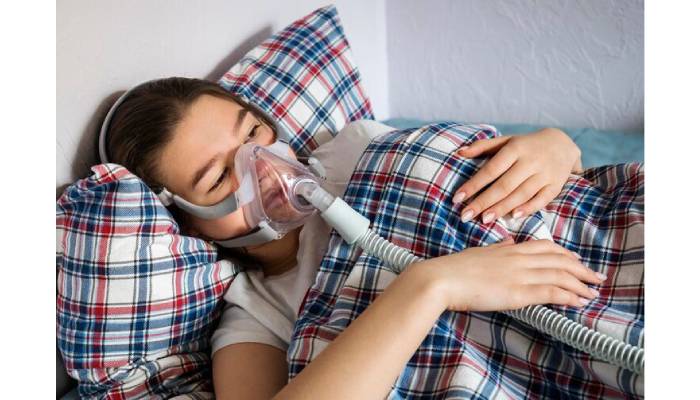
If you’re experiencing certain symptoms, it might be time to consider an at-home sleep apnea test. Persistent fatigue and excessive daytime sleepiness are major red flags, indicating that your sleep quality is suffering despite adequate hours in bed. Loud and chronic snoring is often a telltale sign of airway obstruction during sleep, raising the alarm for potential apnea. Moreover, if you’ve noticed gasping or breathing pauses while you rest, that’s a serious concern requiring attention. Frequent awakenings at night can disrupt your slumber significantly too. Lastly, memory issues and inability to concentrate can stem from untreated sleep apnea’s impact on brain health, signaling the need for further evaluation.
1. Persistent Fatigue and Daytime Sleepiness
Feeling tired even after a full night’s sleep can be more than just a sign of a busy life; it may indicate a sleep disorder like sleep apnea. Chronic fatigue often leads to irritability and a lack of motivation, affecting everything from your work performance to your relationships. If you find yourself battling to stay awake during the day, especially in situations like meetings or while watching TV, it could signal that your sleep quality is compromised. At home sleep apnea test disrupts your breathing during the night, depriving your brain of the oxygen it needs, which results in that overwhelming sense of exhaustion. It’s not just about how long you sleep; it’s the quality of that sleep that truly counts. Frequent daytime naps may seem harmless, but they could be a red flag. Over time, persistent fatigue can even contribute to weight gain, as low energy often leads to reduced physical activity. If you notice a consistent pattern of fatigue despite adequate sleep, it might be time to consider an at-home sleep apnea test.
- Feeling tired even after a full night’s sleep can signal a sleep disorder, such as sleep apnea.
- Chronic fatigue may lead to irritability and a lack of motivation, impacting daily activities.
- Daytime sleepiness can increase the risk of accidents, especially while driving or operating heavy machinery.
- Sleep apnea deprives the brain of oxygen, leading to feelings of exhaustion throughout the day.
- People may find themselves falling asleep in inappropriate situations, like during meetings or while watching TV.
- Persistent fatigue can affect work performance and relationships due to lack of focus and energy.
- Sleep quality often matters more than quantity; disrupted sleep cycles can hinder restorative rest.
- Feeling the need to nap frequently during the day is a common sign of sleep disruption.
- A lack of energy can contribute to weight gain, as fatigue often leads to reduced physical activity.
- If you notice a pattern of fatigue despite adequate sleep, a sleep study may be necessary.
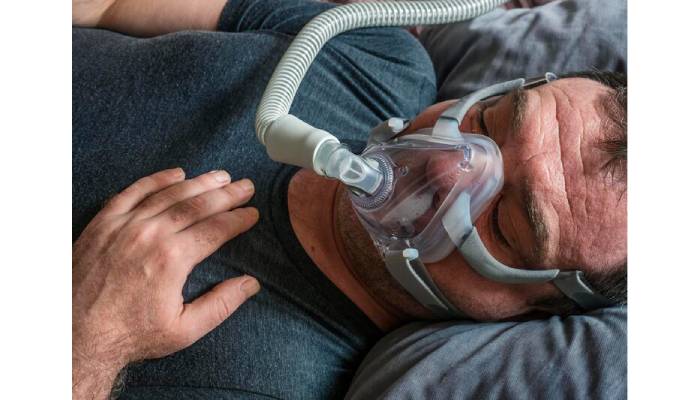
2. Loud and Chronic Snoring
Loud and chronic snoring can be a significant red flag when it comes to sleep health. It often signals that your airways are obstructed during sleep, a common issue in sleep apnea. If your snoring is loud enough to wake your partner, this could indicate a more serious problem that needs attention. Pay close attention to any changes in your snoring patterns; if they become louder over time, it’s time to take notice. Chronic snoring is usually accompanied by gasping or choking sounds, further suggesting that your breathing is compromised while you sleep. Not only does snoring disrupt your own sleep quality, but it can also affect your partner’s rest, leading to a cycle of fatigue for both parties. Certain sleeping positions, like lying on your back, can exacerbate snoring, making it crucial to find a comfortable and supportive position. Interestingly, many people who snore may not even realize it, which is why feedback from a partner can be invaluable. Additionally, weight gain can worsen snoring due to increased pressure on the airways, and avoiding alcohol before bed can help keep your throat muscles toned and reduce snoring. If you find yourself or your partner struggling with persistent snoring, consulting a healthcare professional can open up effective treatment options to improve your overall sleep quality.
3. Breathing Interruptions During Sleep
Breathing interruptions during sleep are a serious concern that can signal sleep apnea. These pauses can last from a few seconds to minutes and may occur multiple times each hour. When you experience these interruptions, it can disrupt your sleep cycle, preventing you from reaching deep sleep. As a result, you might wake up feeling unrested, even after a full night’s sleep. For some, waking up gasping for air can be a frightening experience, not only for themselves but also for their sleeping partner.
Often, these breathing difficulties come hand in hand with loud snoring, which can worsen sleep quality for both individuals. If someone observes these symptoms in a partner, it’s crucial to take them seriously, as they can indicate a significant health risk that requires immediate attention. Breathing interruptions can lead to a drop in oxygen levels, which negatively impacts overall health. Common experiences include waking up suddenly with a choking sensation or feeling like you can’t catch your breath.
These breathing difficulties can also lead to an increased heart rate and higher blood pressure, posing risks to cardiovascular health. Monitoring these symptoms through a sleep study can provide vital clarity, helping to identify the best course of action for treatment. Seeking medical advice about breathing interruptions can lead to interventions that significantly improve sleep quality and overall well-being.
4. Frequent Nighttime Awakenings
Waking up multiple times during the night is a common symptom of sleep apnea. These disruptions can lead to insomnia, making it difficult to fall back asleep once you’ve woken up. Frequent awakenings create fragmented sleep, which can significantly reduce how restful your night feels. Many people find themselves feeling confused or disoriented in the morning, impacting their daily routines. You might experience a sense of unrefreshing tiredness, even after spending a full night in bed. Partners may notice your restlessness or frequent movements, which can further indicate sleep issues. This cycle of nighttime awakenings can also heighten anxiety about sleep itself, making it even harder to relax and rest well. It’s essential to remember that the quality of sleep often matters more than the quantity; constant interruptions can severely disrupt this quality. Factors such as stress, environmental noise, or underlying medical conditions can contribute to these nighttime awakenings. Identifying the underlying cause is crucial for finding the right treatment and improving your sleep.
5. Inability to Concentrate or Memory Issues
If you find yourself struggling to concentrate or frequently forgetting things, it could be a sign of untreated sleep apnea. Research indicates that sleep apnea can impair cognitive functions significantly, leading to challenges in focusing on tasks or recalling recent events. This brain fog can affect your daily life, making even simple activities feel overwhelming. Additionally, cognitive fatigue from poor-quality sleep can slow down your reaction times, which can be particularly troubling in work settings. When your sleep is disrupted, the brain’s ability to consolidate memories suffers, leaving you feeling disoriented and forgetful. If you notice that maintaining focus is becoming increasingly difficult, it can lead to decreased productivity and heightened frustration. Mood swings and irritability often accompany these cognitive issues, impacting your relationships and social interactions. This cycle can create feelings of anxiety and sadness, further complicating your mental health. Consulting a healthcare provider about these symptoms can open up pathways to interventions that enhance both your sleep quality and mental clarity.
Frequently Asked Questions
What are the signs that I might need a sleep apnea test at home?
If you’re snoring loudly every night, feeling extremely tired even after a full night’s sleep, or experiencing sudden awakenings during the night, those are major signs you might need to consider an at-home sleep apnea test.
Can my family help me determine if I have sleep apnea?
Absolutely! Family members can notice if you snore heavily, gasp for air in your sleep, or seem unresponsive during the night, which can all be key indicators that you should get tested for sleep apnea.
What should I do if I wake up with a headache or dry mouth?
Waking up with a headache or dry mouth can be a sign of sleep apnea, as it often causes you to breathe through your mouth while sleeping. If this happens frequently, it’s a good idea to consult with your doctor about getting a sleep apnea test.
How can I tell if my daytime fatigue is related to sleep apnea?
Feeling unusually tired during the day, struggling to concentrate, or having mood swings can link back to sleep apnea. If you notice these symptoms along with disrupted sleep, it might be time to consider an at-home sleep apnea test.
Is it common for people with sleep apnea to experience restless sleep?
Yes, many people with sleep apnea often have restless sleep. They might toss and turn, wake up frequently, and not feel refreshed in the morning. If this sounds like you, an at-home sleep test could be very helpful.