
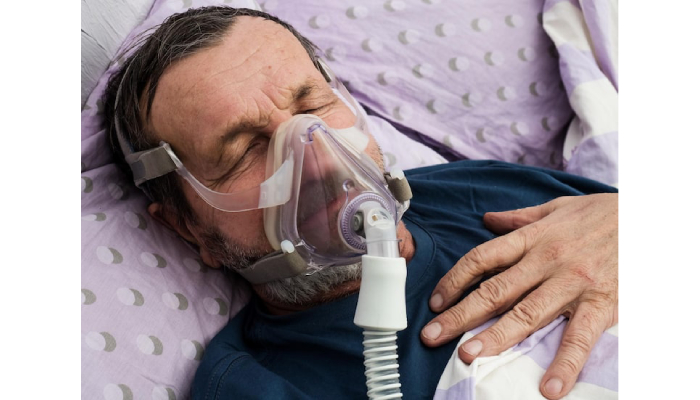
Are you feeling excessively tired despite what seems like a full night’s sleep? This could signal an issue with sleep apnea. Loud, chronic snoring, especially if your partner hears choking or gasping sounds, is another red flag. Have you noticed interruptions in your breathing while asleep? These alarming moments not only disrupt your rest but can also lower oxygen levels in your body. Frequent nighttime awakenings can make it hard to achieve deep sleep, leading to grogginess the next day. If daytime sleepiness impacts your daily activities and mood, discussing these concerns with a healthcare professional might just be the next step for better health!
1. Persistent Fatigue and Sleepiness
Persistent fatigue can feel like a heavy blanket, making even the simplest tasks seem overwhelming. Many individuals with sleep apnea do not get enough deep, restorative sleep. Even if you clock in the recommended hours, you might still wake up feeling drained and exhausted. This ongoing tiredness is often due to multiple disruptions in your sleep cycles, preventing you from reaching those critical stages of deep sleep that your body craves. chronic fatigue can cloud your mental sharpness, making it difficult to focus or remember important details. You might find yourself relying on caffeine or other stimulants to get through the day, but that only exacerbates your sleep quality. If you often feel tired despite getting enough sleep, this could be a red flag for at home sleep apnea test. Furthermore, the stress of chronic fatigue can lead to additional health issues like weight gain or high blood pressure. Paying attention to your sleep patterns can help you identify if your fatigue is linked to sleep disruptions. Consulting a healthcare professional is crucial in determining the underlying cause of your fatigue.
- Persistent fatigue can make everyday tasks feel overwhelming and exhausting.
- Many people with sleep apnea experience a lack of deep sleep, leading to ongoing tiredness.
- Fatigue is often compounded by poor sleep quality, not just sleep duration.
- Sleep apnea can disrupt your body’s natural sleep cycles, reducing restorative sleep stages.
- Chronic fatigue can affect your mental sharpness, making it hard to focus or remember things.
- People may find themselves relying on caffeine or stimulants to stay awake, which can worsen sleep quality.
- Feeling tired despite getting enough hours of sleep is a common sign of sleep apnea.
- Fatigue can lead to other health issues, such as weight gain or high blood pressure, due to stress on the body.
2. Loud and Chronic Snoring
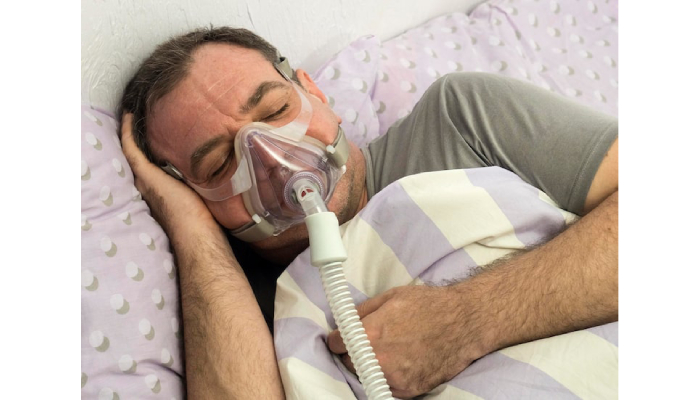
Loud and chronic snoring is more than just a nighttime nuisance; it can be a significant red flag for sleep apnea. When your airway becomes partially blocked during sleep, it leads to the disruptive sounds of snoring. While not all snorers have sleep apnea, it’s crucial to pay attention when snoring is loud and persistent. Many partners of snorers report that the noise disrupts their own sleep, creating a cycle of fatigue for both individuals. Snoring can worsen with factors like weight gain or aging, making it essential to monitor changes in your snoring patterns over time. Interestingly, many people are unaware of their snoring until someone else brings it to their attention, emphasizing the need for feedback. Often, snoring is accompanied by pauses in breathing, which are key indicators of sleep apnea. While there are remedies for snoring, such as sleeping on your side or using nasal strips, addressing the potential for sleep apnea is vital for long-term health. Increased awareness of your snoring habits can pave the way for a thorough evaluation of your sleep health.
3. Breathing Interruptions During Sleep
Breathing interruptions during sleep can be a serious concern, often manifesting as anything from mild snoring to dramatic gasping for air. These events can last just a few seconds or stretch longer, abruptly pulling you from deep sleep without you even realizing it. It’s usually a sleep partner who first notices these unsettling interruptions, making them a crucial source of information about your sleep patterns. If you frequently wake up feeling confused or disoriented, it may be linked to these disruptions.
Such repeated breathing interruptions can lead to dangerously low oxygen levels, putting strain on your heart over time. You might also find that these disturbances affect your dreams, leading to vivid or even nightmarish experiences as your sleep cycles get disrupted. Monitoring your breathing patterns can be enlightening for identifying potential sleep apnea symptoms. Fortunately, there are at-home devices available that can effectively track your breathing during sleep, offering valuable insights. If you suspect you are experiencing such irregularities, seeking medical attention is crucial for a proper diagnosis and treatment. Understanding the severity of your breathing interruptions can help guide your treatment options, ensuring you get the restful sleep you deserve.
4. Frequent Nighttime Awakenings
Waking up numerous times during the night can be frustrating and exhausting. These interruptions can keep you from reaching deep sleep, which is essential for your body to recover and recharge. Even short awakenings can disrupt your sleep cycle, leaving you feeling groggy and unrested in the morning. Keeping a sleep diary can help you track how often you wake up and what might be causing it. For some, frequent trips to the bathroom at night can be linked to sleep apnea, further complicating the issue. The cycle of disrupted sleep can lead to increased daytime fatigue and irritability, making it hard to focus and enjoy your day. You might also notice feelings of anxiety or restlessness accompanying these awakenings. To help combat this, maintaining a consistent sleep schedule and creating a calming bedtime routine can improve your sleep quality. Additionally, consider your sleep environment; factors like noise or light can play a significant role in your nighttime awakenings. Discussing your sleep patterns with a healthcare provider can provide valuable insights and possible solutions.
5. Daytime Sleepiness and Impaired Function
Feeling excessively sleepy during the day can really hold you back. It might interfere with your work, making it hard to focus during meetings or stay alert while driving, which can be dangerous for you and others. Many people don’t realize that constant drowsiness can lead to accidents at home, at work, or on the road. This lack of alertness can cut into your productivity, affecting your career and personal life. You might notice that you feel sleepy after meals or during quiet moments, which can signal poor sleep quality. Chronic sleep deprivation can also lead to irritability and mood swings, straining relationships with friends, family, and coworkers. It’s crucial to understand that daytime sleepiness is often misjudged as laziness, but it can actually point to a serious problem like sleep apnea. If you find it tough to concentrate and you’re making more mistakes than usual, it’s time to take these signs seriously. Addressing your daytime sleepiness can have lasting benefits for your overall health and well-being. Consulting with a healthcare provider is a smart step to uncover the root of the issue and explore potential solutions.
Frequently Asked Questions
What symptoms should I look for that might mean I have sleep apnea?
Look out for loud snoring, daytime sleepiness, or waking up choking or gasping at night. These could be signs of sleep apnea.
How can an at-home test help me if I suspect I have sleep apnea?
An at-home sleep apnea test can monitor your breathing and heart rate while you sleep, helping to identify if you have the condition without needing a hospital visit.
Can I just wait and see if my symptoms improve before getting tested?
It’s not a good idea to wait. If you have symptoms, getting tested sooner can lead to better management and improved sleep quality.
What should I do if I notice that I snore loudly and feel tired during the day?
If you notice these symptoms, it’s best to talk to your healthcare provider about getting tested for sleep apnea.
Is an at-home test as reliable as a sleep study at a clinic?
An at-home test can be reliable for many people, but some cases may require a full sleep study for a detailed analysis.