
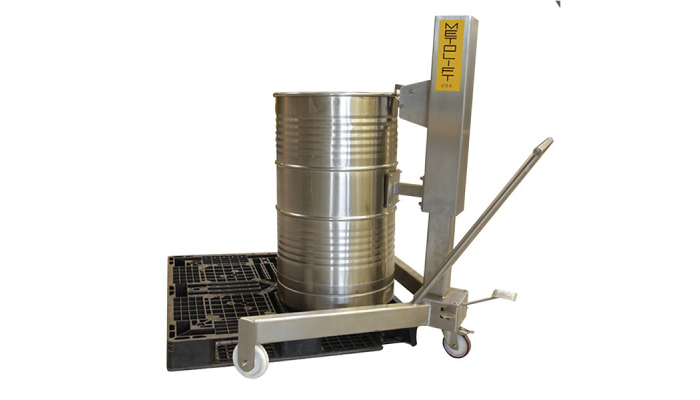
Drum handling equipment plays a crucial role in enhancing workplace safety while boosting overall efficiency. First, it significantly reduces manual handling risks by minimizing the need to lift heavy drums, often weighing between 400 to 800 pounds. This not only lessens the chance of injuries but also supports employees’ musculoskeletal health. Additionally, ergonomic designs in this equipment improve posture and reduce strain during operations. With tools like drum tippers, workers gain increased control over pouring angles and speeds, effectively preventing spills, especially when handling hazardous materials. Moreover, modern features like locking mechanisms enhance safety further while ensuring compliance with OSHA regulations keeps workplaces safer for everyone involved.
1. Reduction of Manual Handling Risks
Drum handling equipment plays a crucial role in reducing the physical strain on workers by taking away the burden of manually lifting heavy drums, which can weigh anywhere from 400 to 800 pounds. By using powered drum lifters and trolleys, employees can manage these heavy loads safely, effectively lowering the chances of workplace injuries like strains and sprains that often result from improper lifting techniques. This equipment not only speeds up the handling process, allowing for quick and efficient task completion, but it also helps prevent repetitive strain injuries that can occur from frequent lifting and moving of drums. Furthermore, automated systems minimize human interaction with heavy loads, significantly decreasing the risk of accidents. Proper training in the use of this equipment enhances worker confidence and safety, enabling operators to focus on monitoring performance rather than physical labor. Additionally, drum handling equipment can be customized to accommodate various weight requirements, ensuring that all drum sizes are handled safely. With features designed to operate on uneven surfaces, these devices provide the necessary stability to reduce fall risks, fostering a culture of safety and responsibility among workers. Regular maintenance of handling equipment is vital, as it ensures consistent safety performance and reduces the likelihood of accidents caused by equipment breakdowns.
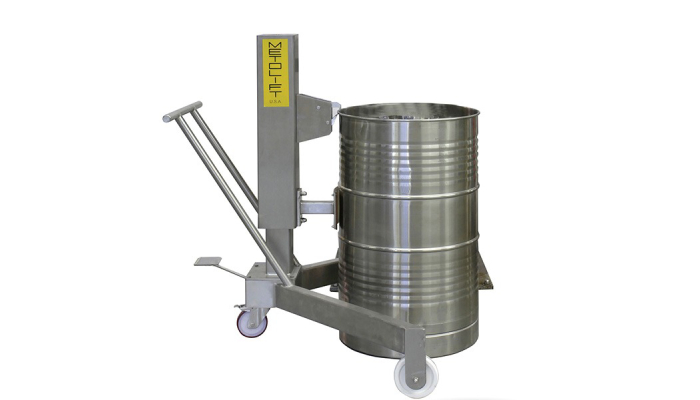
2. Enhanced Ergonomics for Operators
Ergonomics in drum handling equipment plays a crucial role in ensuring operator safety and comfort. With ergonomic designs, operators experience less fatigue and discomfort during operations, allowing them to maintain focus and efficiency. Many pieces of equipment feature adjustable elements, enabling users to customize their setup based on individual needs. This personalization promotes comfort and reduces the risk of injuries, especially to the hands and wrists, thanks to ergonomic grips designed to prevent strain. Furthermore, operators can maintain an upright posture while using the equipment, which significantly decreases the risk of back injuries. The incorporation of wheels in drum lifting equipment enhances maneuverability, allowing workers to move heavy drums with minimal effort. Additionally, equipment designed for easy pouring minimizes awkward body positions, making tasks safer and more efficient. Simple design features, such as handles and foot pedals, contribute to user comfort and operational effectiveness. Training on ergonomic best practices further complements the use of specialized equipment, maximizing safety and efficiency in the workplace. Ultimately, investing in the right ergonomic equipment not only protects workers but also helps retain skilled personnel by reducing workplace injuries.
- Ergonomic designs help reduce fatigue and discomfort during operations, allowing workers to maintain focus.
- Adjustable features in equipment let operators customize their setup based on individual needs, promoting comfort.
- The use of ergonomic grips reduces the risk of hand and wrist injuries during handling tasks.
- Operators can maintain an upright posture while using equipment, decreasing the risk of back injuries.
- Ergonomically designed equipment can lead to higher productivity due to less fatigue and discomfort.
- Drum lifting equipment often incorporates wheels for easy maneuverability, allowing operators to move drums with minimal effort.
- Using equipment that allows for easy pouring can reduce the need for awkward body positions.
- Simple design features, like handles and foot pedals, enhance user comfort and efficiency.
3. Increased Control During Transport
Drum tippers and pourers offer operators remarkable control over the pouring process, allowing for precise adjustments in angle and speed. This capability is essential for minimizing spills, especially when handling hazardous liquids. Additionally, equipment designed for stability significantly reduces the likelihood of accidents during transport, ensuring that drums remain secure as they are moved. Operators can modify the height and tilt of the equipment, optimizing conditions for pouring and enhancing safety for both the user and the surrounding area. Safety mechanisms, such as brakes, prevent unintended movements while loading or unloading, adding another layer of protection. Clear visibility features enable operators to keep an eye on their surroundings, helping to avoid collisions. Plus, incorporating sensors can provide real-time feedback about load stability, further enhancing safety during transport. With the right equipment, transporting multiple drums becomes more efficient and safer, allowing for seamless operations in busy environments.
4. Improved Safety Features in Equipment
Modern drum handling equipment is packed with safety features that make a real difference in workplace safety. Locking mechanisms are a game changer, as they prevent accidental release and keep drums securely in place during transport. This simple yet effective feature significantly reduces the chances of spills or accidents. Overload protection systems are another vital addition, designed to avert equipment failure by monitoring the load. This means operators can work confidently, knowing that they are not exceeding the safe limits of their equipment.
Moreover, secure gripping systems cater to various drum sizes and weights, enhancing stability while in use. Operators can lift and transport drums without worrying about them slipping or tipping over. The safety features are rigorously tested for compliance with industry standards, ensuring reliability and performance. LED indicators on some equipment provide real-time alerts about potential safety issues, which boosts situational awareness and helps prevent accidents before they happen.
Automatic shut-off systems can also be integrated into drum handling equipment, adding another layer of safety by preventing misuse or malfunction. Emergency stop buttons give operators a quick way to halt operations in case of danger, making it easier to respond to unexpected situations. Built-in safety guards protect operators from moving parts, which significantly reduces the risk of injury. Regular safety audits help to identify and address potential hazards, ensuring that the equipment remains safe and effective. With innovative designs continuously evolving, these safety features are becoming more sophisticated, focusing on meeting new standards and improving operator protection.
5. Compliance with Safety Regulations
Using drum handling equipment is a smart move for organizations aiming to stay compliant with safety regulations like those set by OSHA. These regulations are crucial for ensuring safe practices when handling hazardous materials. When companies invest in the right equipment, they not only follow the guidelines but also significantly reduce the risk of accidents and potential legal issues. Proper documentation and training on the equipment are essential to ensure every employee knows how to use it safely, which reinforces compliance and builds a strong safety culture. Regular inspections of the equipment can also help maintain adherence to safety protocols, making accidents less likely. Plus, many drum handling tools come certified, providing assurance of compliance with industry standards. This commitment to safety can enhance a company’s reputation and even lead to lower insurance premiums, ultimately benefiting the bottom line. Integrating training programs focused on safety regulations with equipment training further boosts overall safety awareness among employees. By fostering a culture of safety and compliance, organizations can improve employee morale and trust, creating a more productive work environment.
Frequently Asked Questions
What safety benefits do drum handling tools offer?
Drum handling tools help keep workers safe by reducing the risk of injury when moving heavy drums, minimizing the chance of spills, and ensuring proper lifting techniques.
How do these tools help prevent spills during drum transport?
These tools are designed with secure grips and stability features, which reduce the likelihood of tipping or dropping, thus preventing leaks or spills during transport.
Can drum handling equipment be used in different environments?
Yes, drum handling equipment is versatile and can be used in various settings, including warehouses, factories, and outdoor sites, maximizing safety in any location.
Are there any specific features that enhance safety in drum handling?
Yes, many drum handling tools come with safety features like automatic braking systems, padded grips for comfort, and stabilizers that ensure secure and safe transportation.
How can staff be trained to use drum handling equipment safely?
Training should include hands-on demonstrations, clear understanding of equipment features, and safety protocols, helping staff become confident in using drum handling tools safely.