
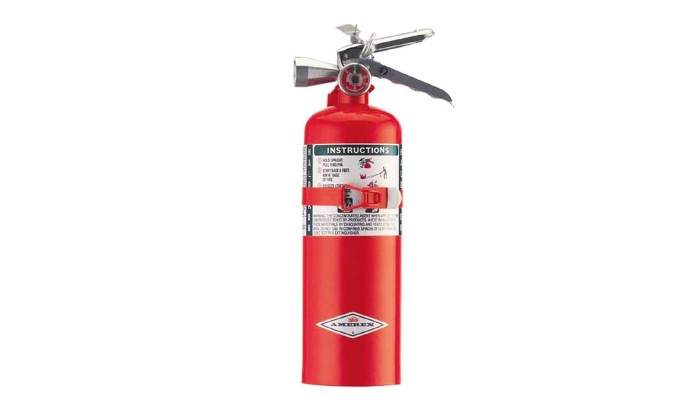
In commercial kitchens, avoiding critical mistakes with fire suppression services is essential for safety. First, ensure staff receives ample training on fire safety protocols and how to use equipment correctly. Regular maintenance and inspections are another key aspect; neglecting these can lead to catastrophic failures during emergencies. Additionally, the proper placement of fire suppression systems must be addressed, coverage should extend to all cooking appliances even as kitchen layouts change. Keeping the kitchen clean is vital too; grease buildup can obstruct system functionality. Following expansions, consult professionals about necessary system updates and maintain thorough documentation of inspections to comply with regulations effectively.
1. Inadequate Staff Training on Fire Safety
Training your commercial kitchen fire suppression service on fire safety is not just a recommendation, it’s a necessity. An inadequate training program can lead to panicked responses during emergencies, putting everyone at risk. Developing a comprehensive training program should cover different types of fires and appropriate responses. Hands-on training with fire suppression equipment is essential to build confidence among staff. Schedule refresher courses at least once a year to keep fire safety top of mind. Role-playing scenarios can simulate fire emergencies, improving response times and preparing staff for real-life situations. Encourage your team to ask questions and clarify their understanding of fire safety protocols. A fire safety manual should be accessible for quick reference during emergencies. Make fire safety training part of the onboarding process for new employees to instill the importance of safety from day one. Assess staff knowledge through quizzes or practical demonstrations to ensure that everyone is on the same page. Establishing a fire safety champion within the kitchen team can help promote awareness and vigilance. Lastly, document all training sessions and maintain records for compliance purposes, ensuring that your establishment is not only safe but also compliant with regulations.
- Develop a comprehensive training program that covers different types of fires and appropriate responses.
- Include hands-on training with fire suppression equipment to build confidence among staff.
- Schedule refresher courses at least once a year to keep fire safety top of mind.
- Utilize role-playing scenarios to simulate fire emergency situations and improve response times.
- Encourage staff to ask questions and clarify their understanding of fire safety protocols.
- Create a fire safety manual that staff can refer to during emergencies.
- Incorporate fire safety training into the onboarding process for new employees.
- Assess staff knowledge through quizzes or practical demonstrations to ensure comprehension.
- Establish a fire safety champion within the kitchen team to help promote awareness.
- Document all training sessions and maintain records for compliance purposes.
2. Poor Maintenance and Inspections of Systems
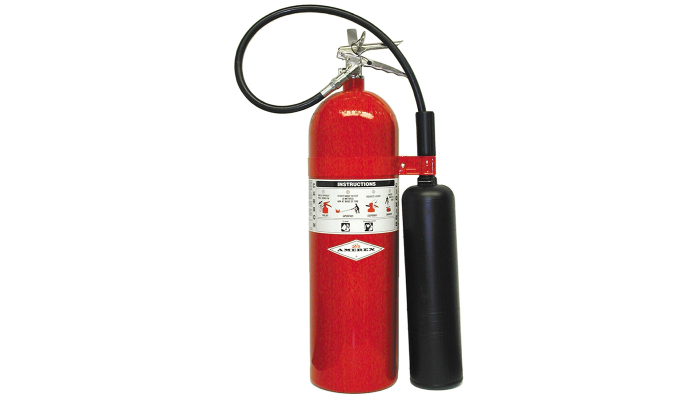
Neglecting regular maintenance and inspections of fire suppression systems can be a recipe for disaster. Scheduling monthly inspections of all fire suppression equipment is essential to ensure everything is functioning correctly. Keeping accurate records of maintenance activities helps track the performance and reliability of the systems over time. Always hire certified professionals for inspections to guarantee compliance with safety standards; their expertise is invaluable in catching potential issues before they escalate. Frequent testing of alarm systems, detectors, and suppression systems is crucial to confirm that they are fully operational when needed. Implementing a checklist for daily visual inspections by your staff fosters a culture of safety, ensuring that any irregularities can be addressed immediately. If maintenance issues arise, act swiftly to resolve them, as delays can lead to system failures. Additionally, ensure all components of your fire suppression system are compatible and meet current codes. Regularly reviewing maintenance logs can highlight patterns or recurring issues that may need attention. Encouraging staff to report any concerns about the fire suppression systems promptly can prevent small problems from becoming major hazards. Finally, consider investing in technology that allows for remote monitoring of system performance, which can provide peace of mind and enhance safety.
3. Improper Placement and Coverage of Equipment
The placement and coverage of fire suppression equipment in a commercial kitchen are crucial for effective fire safety. Consulting with fire safety experts during the kitchen design phase helps ensure that the system is optimally placed. Regular evaluations of the kitchen layout are essential, as cooking appliances may shift over time, potentially moving them outside the system’s coverage area. Clearly identifying and marking fire suppression zones increases staff awareness and readiness.
Following the manufacturer’s guidelines for equipment placement is vital, as each system is designed to address specific risks associated with various cooking methods. Conducting drills familiarizes staff with the locations of fire suppression equipment, reinforcing their preparedness in an emergency. After any kitchen modifications or equipment changes, assessing the effectiveness of the fire suppression system ensures that it still meets safety needs.
Using heat mapping can pinpoint high-risk areas, allowing for improved coverage where it’s needed most. Involving staff in identifying potential blind spots can further enhance safety measures. Additionally, testing the system’s response time in different kitchen configurations is a smart way to ensure that it functions effectively, no matter how the kitchen is arranged.
4. Failure to Keep Kitchen Clean and Safe
Keeping your kitchen clean is not just about hygiene, it’s a critical component of fire safety. Grease and debris can accumulate quickly in a busy kitchen, turning your cooking area into a potential fire hazard. To combat this, establish a strict cleaning schedule that all staff must adhere to daily. This includes the regular cleaning of hoods and ducts as part of a grease management plan. Make sure to use appropriate cleaning products that effectively eliminate grease and dirt, ensuring every surface is safe.
Incorporate daily checks to monitor cleanliness standards, and train your staff on why maintaining a clean kitchen is crucial for fire prevention. Provide them with the necessary tools and equipment to facilitate effective cleaning, and foster a culture of accountability where each team member takes pride in their work environment. Schedule deep cleaning sessions at least once a month to keep your kitchen in top shape. Regular inspections will help you assess kitchen cleanliness, and consider offering incentives for teams that consistently meet high cleanliness standards. This proactive approach not only reduces fire risks, but also creates a more pleasant working environment.
5. Ignoring System Updates After Expansion
Expanding your kitchen can be exciting, but it also opens the door to new fire safety challenges. Before you start rearranging or adding new equipment, conduct a thorough safety assessment to understand how these changes impact your fire suppression system. Engaging fire safety professionals early on is crucial, as they can evaluate the compatibility of new appliances with the existing system. Document every change made during the expansion, whether it’s a new fryer or an additional grill, to ensure comprehensive safety coverage.
Whenever you alter your kitchen layout, review and update your fire safety plans accordingly. This ensures that everyone on your team is aware of the modified protocols, which is essential for a coordinated response in case of an emergency. Assess whether the new kitchen design or cooking methods require additional fire suppression equipment.
Most importantly, make sure your updated system complies with local fire codes and regulations. Providing training on any new equipment or modifications to existing systems is vital. Incorporate feedback from staff who work in the kitchen daily, as they can help identify potential safety gaps that might not be immediately obvious. Maintaining open communication with fire safety professionals will keep your kitchen safe and up-to-date.
6. Assuming the System is Always Functional
One of the biggest oversights in fire safety is the assumption that your fire suppression system is always in working order. Just because it was functional last week does not mean it is still reliable today. To combat this, implement a weekly testing routine for all components, including manual pull stations and emergency alarms, ensuring they work perfectly when needed. Train your staff to recognize warning signs of system issues, such as unusual noises or malfunctioning indicators. Keeping a detailed log of all tests and repairs performed helps track the system’s health over time. Furthermore, establish clear procedures for reporting any suspected issues, fostering a culture of vigilance where everyone is involved in monitoring the system’s condition. Schedule routine inspections by certified professionals at least twice a year, and use a checklist during these inspections to verify that all components are operating correctly. Embracing technology that alerts staff to potential issues can also enhance your fire safety strategy. Remember, regular testing and proactive maintenance are the keys to ensuring your fire suppression system is always ready to protect your kitchen.
7. Neglecting Documentation and Compliance Records
Neglecting documentation and compliance records is a significant mistake that can put your kitchen at risk. Establishing a centralized system for maintaining all fire safety documentation is essential. This includes creating templates for inspection and maintenance logs to ensure consistency across records. Regularly reviewing and updating these compliance records is crucial, especially as regulations change. It’s important to train your staff on the significance of proper documentation and record-keeping for fire safety. Consider designating a compliance officer to oversee record management, ensuring nothing falls through the cracks. Scheduling audits can help verify that all documentation is complete and up to date, providing peace of mind. Incorporating digital tools can make tracking and accessing compliance records easier, streamlining the process. Additionally, make sure all staff members understand their responsibilities related to documentation. Maintaining a secure backup of all important records is also vital, as it protects against data loss. Lastly, regularly communicating updates on compliance requirements to your team fosters a culture of safety and accountability.