
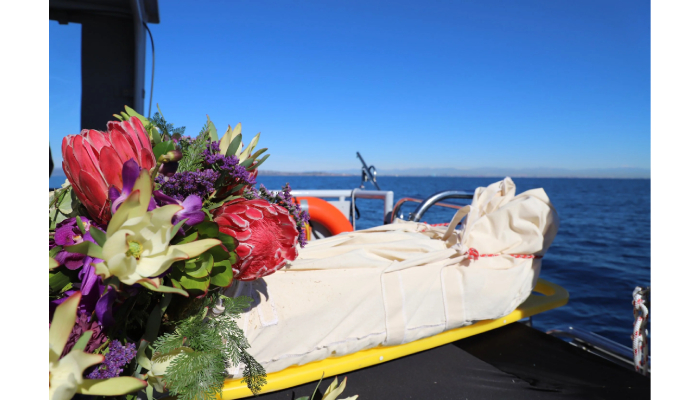
Planning a burial at sea in Southern California can be both meaningful and fulfilling. Start by understanding the legal framework, ensuring you obtain the necessary permit from the local county health department along with a certified death certificate. Next, choose a suitable licensed vessel that meets safety regulations and can accommodate attendees. Remember, burials need to happen at least three nautical miles from shore, with full-body interments requiring 600 feet of depth. Use biodegradable materials only to protect marine life. After submitting your proposal to the EPA, plan a respectful ceremony for family and friends while considering costs that vary widely based on services selected.
1. Understand the Legal Framework for Sea Burials
Before embarking on a burial at sea in Southern California, it’s essential to grasp the legal framework governing these practices. Local laws can differ significantly by county and state, so reviewing them is crucial. For instance, you will need a Permit for Disposition of Human Remains from the local health department, whether you’re opting for a full-body burial or scattering ashes. This permit process often requires a certified copy of the death certificate; if the death occurred outside California, additional documentation might be necessary.
Consulting with a legal expert can help clarify any questions you may have regarding the legalities involved. This is especially important for understanding the timeline for obtaining permits, which can take several weeks. It’s wise to keep copies of all necessary documents, including permits and death certificates, for your records. Additionally, discussions with family members can ensure everyone is on the same page regarding the legal steps involved.
Burials at sea are not only regulated by local authorities but also by federal entities, including the Environmental Protection Agency (EPA). There are specific regulations to follow, particularly if the individual was a veteran or part of another group that may have additional requirements. Ensure that the burial site complies with environmental regulations to avoid any legal issues. Staying informed about any changes to sea burial laws is also essential, as regulations can evolve over time.
2. Select a Suitable Vessel for the Ceremony
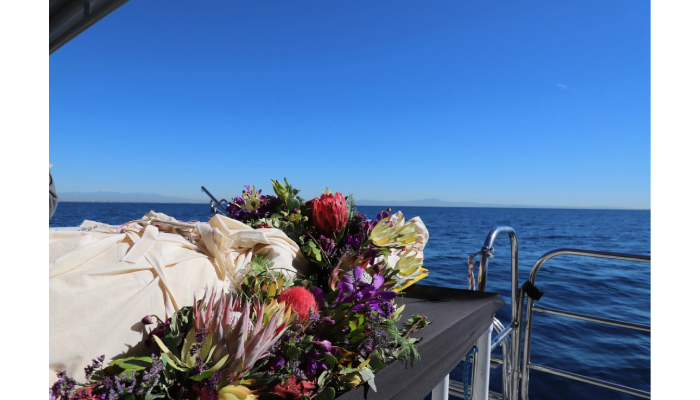
Choosing the right vessel for your burial at sea is crucial for a smooth and respectful ceremony. First, ensure the vessel is licensed specifically for sea burials and has a solid safety record. This guarantees compliance with regulations and the safety of all attendees. Confirm the vessel’s capacity, as it should comfortably accommodate everyone you wish to invite. Safety gear is a must, so check if the vessel is equipped with life jackets and first aid kits.
It’s also important to consider the crew’s experience in handling burials at sea. A knowledgeable crew can provide reassurance and help everything go according to plan. Additionally, ask about the vessel’s navigation capabilities to ensure a smooth journey to the burial site, especially if the sea conditions are less than ideal.
Comfort matters too! Look for amenities like adequate seating and restroom facilities to ensure guests feel at ease during the trip. Moreover, verify that the vessel complies with environmental regulations to avoid any pollution issues during the ceremony. Discuss the day’s itinerary with the captain, as this will help everyone know what to expect.
Lastly, inquire about any additional services the vessel operator may offer, such as catering or floral arrangements. These touches can enhance the experience and make the day even more memorable.
- Choose a vessel that is licensed for sea burials and has a good safety record.
- Confirm the vessel’s capacity to ensure it can comfortably accommodate all guests.
- Check if the vessel is equipped with necessary safety gear, such as life jackets and first aid kits.
- Inquire about the experience of the crew in handling burials at sea.
- Ask about the vessel’s navigation capabilities to ensure a smooth trip to the burial site.
- Consider the amenities on board, like seating and restroom facilities, for guests’ comfort.
- Verify that the vessel complies with environmental regulations to prevent pollution.
- Discuss the itinerary for the day of the ceremony with the captain.
- Ensure the vessel can handle the expected sea conditions on the day of the burial.
- Look into additional services offered by the vessel operator, such as catering or floral arrangements.
3. Know the Distance from Shore Requirements
When planning a burial at sea, one of the key requirements is ensuring that the burial site is at least three nautical miles from the nearest land. This distance is crucial for adhering to EPA regulations and protecting the marine environment. To effectively plan your journey, you need to factor in potential travel time, considering both the distance and any weather delays that might arise. Utilizing nautical charts can help you identify suitable locations that meet the distance criteria.
It’s also important to coordinate with the vessel operator to confirm compliance with these distance regulations. Keep in mind that sea conditions can vary, affecting both your travel distance and time, so having a flexible plan is essential. Additionally, check local regulations to see if there are any specific distance requirements that differ from federal guidelines.
Communication is key; make sure to inform attendees about the travel distance to manage their expectations effectively. For those who may have mobility issues, consider making special arrangements, as the distance from shore can pose challenges. Lastly, ensure that the burial location is easily accessible for the vessel you have chosen, and document the burial location coordinates for future reference and regulatory compliance.
4. Follow the Depth Requirements for Burials
When planning a burial at sea, understanding and adhering to depth requirements is essential. Full-body burials must take place at a minimum depth of 600 feet, which prevents any chance of remains resurfacing, especially during high tides. This depth ensures that the burial is both dignified and compliant with regulations. To locate suitable burial spots, research local seabed conditions and consult with marine experts who can guide you in choosing an appropriate location that meets these depth regulations.
It’s also important to ensure your vessel is equipped for deep-water burials. Discuss best practices with the vessel operator to guarantee a smooth process. While ash scattering doesn’t have specific depth requirements, it still must occur at least three nautical miles from shore to comply with EPA regulations. Educating attendees about these depth requirements fosters understanding and respect for the process, and documenting the burial depth in your records is crucial for compliance. Utilizing technology like sonar can help confirm the burial depth, providing peace of mind that everything is done correctly and in line with environmental protections.
5. Use of Biodegradable Materials
Choosing biodegradable materials for a burial at sea is an essential step in honoring both your loved one and the environment. Opt for caskets or urns made from natural substances like wood or cardboard, which will break down over time and leave no harmful traces. It’s crucial to steer clear of non-biodegradable items such as plastics, metals, or synthetic fabrics, as these can pollute the ocean and harm marine life. You can enhance the ceremony with natural elements, like flowers or wreaths crafted from organic materials, ensuring that every detail aligns with your eco-friendly intentions.
Talking to your service providers about biodegradable options is important to ensure they comply with regulations. They can guide you through the available choices and help you select products that are certified biodegradable, giving you peace of mind. Additionally, consider personalized biodegradable urns that can transform into plants or trees, creating a living memorial.
Throughout the ceremony, be mindful of any additional materials used, making sure they are eco-friendly. You can even invite guests to contribute biodegradable items as memorial tokens, turning the event into a collective celebration of life while educating attendees on the significance of protecting marine ecosystems. Documenting all materials used for the burial is also wise, providing evidence of compliance with EPA regulations and reinforcing your commitment to environmental stewardship.
6. Submit an Application to the EPA
Before you can proceed with a burial at sea, it is essential to prepare and submit a Burial at Sea Proposal to the EPA. This proposal should clearly outline your burial plan, detailing the materials you will use and the methods of disposal. Along with your application, include all necessary documents, such as permits and a certified copy of the death certificate. It’s crucial to submit your application well in advance to allow ample time for processing. Once submitted, follow up with the EPA to confirm they received your application and to check if there are any additional requirements you need to fulfill.
After the burial, you must report the event to the EPA within 30 days, providing evidence like photographs or logs to ensure compliance. Be mindful of the penalties that may arise if you fail to report in a timely manner. Consulting with professionals who specialize in sea burials can provide valuable guidance during this application process. Keep copies of all communications and submissions with the EPA for your records, and don’t forget to check for any local regulations that might necessitate further reporting. Staying informed about updates in EPA regulations regarding burials at sea is also vital.
7. Conduct the Burial Ceremony with Respect
Planning the burial ceremony is a crucial step that allows you to honor the life of your loved one. Make sure it reflects their wishes and personality, creating a meaningful tribute. Choose a date and time that accommodates all attendees while considering the weather, nothing sets the tone like a beautiful day at sea. Prepare a program that could include readings, music, or even a favorite poem of the deceased. Hiring a professional officiant experienced in sea burials can help ensure everything flows smoothly.
Creating a comfortable atmosphere for your guests is important, so think about providing seating and refreshments. Discuss the ceremony details with attendees ahead of time to ensure everyone knows what to expect. Personal touches, like sharing cherished memories or anecdotes about the deceased, can make the ceremony even more special. Don’t forget to incorporate any cultural or religious practices that should be observed. Finally, capturing the moment with photos or videos can be a beautiful way to preserve memories, just be sure to respect the privacy of your guests.