
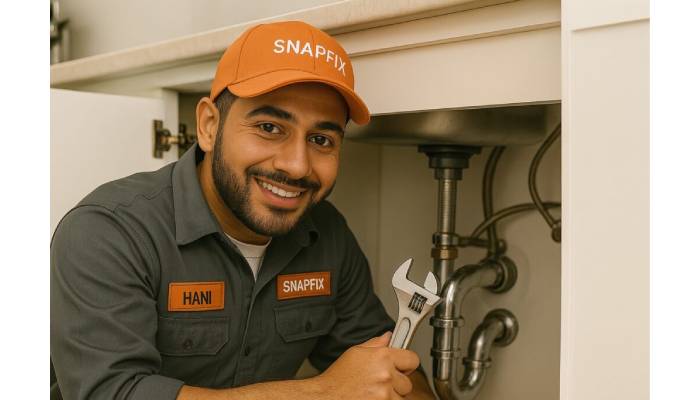
When hiring handyman services in Dubai, people often forget several important factors that could affect their experience. First off, consider the handyman’s experience and ask for references from previous clients to gauge their reliability. It’s also essential to check that they possess the necessary skills for your specific tasks, especially for specialized work like electrical repairs. Furthermore, make sure they are licensed and insured to protect yourself from any liabilities. Defining the scope of work clearly helps prevent misunderstandings about costs and timelines. Lastly, examine online reviews and ensure you ask for proper cost estimates without rushing into choosing the cheapest option available.
1. Experience and References When Hiring Handyman Services
When hiring a handyman services dubai, it’s crucial to consider their experience and ask for references. Start by requesting a portfolio of their previous work, as this helps you evaluate the quality of their services. Inquire about the types of projects they have completed in the past, ensuring they have experience with tasks similar to yours, like plumbing, carpentry, or painting. It’s also wise to ask for a list of past clients and reach out to them for feedback regarding their experiences. Look for any specialized training or certifications that might enhance the handyman’s skills. A handyman with several years in business often indicates reliability and expertise. Additionally, ask for case studies or examples of challenging jobs they successfully completed. This not only showcases their capability but also gives you insight into how they handle customer complaints or issues during projects. Confirm whether they are members of any professional organizations related to handyman services, as this can further assure you of their professionalism. Trust your instincts during your conversation; if something feels off, it may be worth exploring other options.
- Ask for a portfolio of previous work to evaluate the quality of services provided.
- Inquire about the types of projects the handyman has completed in the past.
- Check if the handyman has experience with similar tasks to yours, such as plumbing, carpentry, or painting.
- Request a list of past clients and contact them for feedback on their experiences.
- Look for specialized training or certifications that may enhance the handyman’s skills.
- Consider the number of years the handyman has been in business; longevity can indicate reliability.
- Ask for case studies or examples of challenging jobs that were successfully completed.
- Evaluate how the handyman handles customer complaints or issues during the project.
- Confirm if the handyman is a member of any professional organizations related to handyman services.
- Trust your instincts; if something feels off during your conversation, it might be worth exploring other options.
 2. Assessing the Level of Skills Needed
 2. Assessing the Level of Skills Needed
When hiring a handyman, it’s crucial to assess the level of skills needed for your specific tasks. Start by making a detailed list of all the jobs you need help with. This list will help clarify your needs and ensure nothing is overlooked. For example, if you need plumbing work, make sure to specify whether it involves fixing a leak, installing new fixtures, or both, as these tasks require different skills.
Next, identify any specific tools or equipment necessary for the job. For instance, electrical work might require specialized tools that not all handymen have. Confirm that the handyman you choose is equipped and experienced with these tools.
Discuss the complexity of the tasks with the handyman to gauge if they possess the necessary skills. You might also want to ask about their experience with the specific materials and techniques relevant to your project. If you’re renovating a bathroom, for example, ensure they have experience working with tiles, plumbing systems, and electrical installations.
Consider whether your project requires a general handyman or a specialist. Some tasks, like HVAC installation or extensive electrical work, may be best handled by a trained expert. Additionally, evaluate if the handyman is comfortable taking on larger projects that may require multiple skills, such as a renovation that involves plumbing, electrical, and carpentry work.
Inquire about any additional training the handyman has undergone related to your project. This could give you confidence in their ability to handle the tasks at hand. Discuss potential challenges that may arise during the project and ask how they would address them. This will help you understand their problem-solving approach and adaptability in different situations.
Lastly, check if the handyman offers follow-up services or maintenance options after completing the work. This can be an important factor if you’re looking for ongoing support or if issues arise after the job is done.
3. Importance of Licensure and Insurance
When hiring a handyman, it’s crucial to check their licensure and insurance status. Start by confirming their license through official channels or websites. A valid license indicates that the handyman has met local regulations and standards. Additionally, ask for proof of insurance, which should include liability and worker’s compensation coverage. This is vital because it protects you from potential costs if an accident occurs on your property or if any damage happens during the job. Always verify that the handyman’s insurance policy is current and has not lapsed, as outdated coverage can leave you vulnerable.
It’s also important to inquire about any special licenses for specific tasks, like electrical or plumbing work. Hiring someone without the proper credentials for these tasks can lead to serious complications. For example, if an unlicensed handyman performs electrical work and something goes wrong, you could face significant liability issues.
Discuss what happens in case of an accident or damage during the project. A good handyman will have a clear plan on how their insurance covers these scenarios, providing you peace of mind. Lastly, avoid handymen who cannot provide documentation of their licensure or insurance, as this can lead to risks that are simply not worth taking.
4. Defining a Detailed Scope of Work
Creating a written document that outlines all tasks to be performed is crucial when hiring a handyman. This document should include specifics about what needs to be done, the materials required, and any timelines for completion. For example, if you need a room painted, specify the colors, the number of coats, and whether you expect the walls to be prepped beforehand. Discussing any materials or supplies needed for the project helps avoid misunderstandings and ensures you both know what to expect.
It’s also important to clarify any limitations or restrictions on the work, like areas that should not be touched or specific times when work cannot be done. Establishing a timeline for when the work should be completed, with clear start and end dates, keeps everyone accountable. You should also set clear expectations regarding the handyman’s responsibilities versus your own, so there are no surprises later.
Additionally, both parties should agree on how changes to the scope will be handled, especially if unexpected issues arise that may incur additional costs. It’s a good idea to discuss who will be responsible for cleanup and any post-job responsibilities, as this can often lead to last-minute frustrations.
Finally, ask the handyman for their input on the scope of work. They may have valuable insights or suggestions based on their experience that can improve the project. Before starting, review and sign a contract that clearly outlines the agreed-upon scope of work. Keeping a copy of this document for both parties ensures you have a reference point during and after the project.
5. Checking Reputation and Online Reviews
Before you hire a handyman, take the time to check their reputation and online reviews. Start by researching them on review platforms like Google and Yelp, as well as local forums. Look for patterns in the reviews; if multiple customers mention similar issues, that could signal a problem. A handyman with many reviews is often more reliable than one with just a few. Additionally, check their social media presence for comments or feedback about their work. Don’t hesitate to ask friends, family, or neighbors for recommendations based on their experiences. You can also inquire if the handyman can provide references from previous clients upon request. Pay attention to how the handyman responds to negative reviews, as this can give you insight into their professionalism and customer service. Utilize local community groups to gather opinions or experiences related to the handyman. Finally, check if there are any complaints filed against them through consumer protection agencies. A trustworthy handyman will typically have a transparent online presence that includes honest reviews and feedback.
6. Understanding Cost Estimates and Payment Terms
When hiring a handyman, it’s crucial to understand cost estimates and payment terms to avoid unexpected expenses and disputes. Begin by requesting a detailed breakdown of the estimate, including labor, materials, and any additional fees. This transparency helps you know exactly what you’re paying for. It’s also important to discuss the payment schedule: find out if the handyman accepts various payment methods and their policy on full payments. Be cautious of those who demand full payment upfront or have vague terms, as this can indicate potential issues down the line.
Additionally, ask about any extra costs that might arise during the project and how these will be communicated to you. A written estimate can help prevent misunderstandings later. Inquire about the handyman’s policy on refunds or guarantees for their work, as this can provide peace of mind. Comparing estimates from multiple handymen can give you a fair perspective on pricing.
Understand whether the handyman charges hourly or by project, as this distinction can significantly impact your overall cost. Don’t hesitate to ask about any discounts or promotions that may be available for specific services. Lastly, be upfront about your budget constraints to ensure the handyman can accommodate your needs.
7. Evaluating Availability and Flexibility of Services
When hiring a handyman, it’s essential to discuss their availability. Ask about the specific dates you need work done and whether they can accommodate urgent requests or emergency repairs. Some handymen may have set working hours, so understanding their flexibility for scheduling is crucial. For instance, if you have a busy weekday schedule, inquire if they can work on weekends or in the evenings.
It’s also wise to find out if they have a backup plan for emergencies. If your handyman is unavailable, will another qualified professional step in? This can save you from delays in urgent situations. Additionally, ask about their capacity to handle multiple projects; knowing how they prioritize jobs when their schedule is full can give you peace of mind.
Discussing follow-up work is important too. Do they guarantee availability for future projects? Understanding their policy on rescheduling or cancellations will help you navigate any unexpected changes. Clear communication about potential delays or changes in availability can prevent frustration on both sides. By addressing these aspects upfront, you can ensure a smoother experience and avoid last-minute surprises.
Frequently Asked Questions
What skills should I look for in a handyman?
When hiring a handyman, you should look for skills in carpentry, plumbing, electrical work, and general repairs. Make sure they have experience with tasks similar to what you need.
How can I check a handyman’s reputation?
You can check a handyman’s reputation by reading online reviews, asking for references, or checking their ratings on local service websites. Personal recommendations can also be helpful.
Is it important to communicate clearly with my handyman?
Yes, clear communication is key. You should explain your needs and expectations, and make sure they understand before starting the work. This helps avoid mistakes.
What safety measures should a handyman follow?
A handyman should follow safety measures like wearing appropriate gear, using tools correctly, and ensuring the work area is safe. You should ask about their safety practices.
How do I know if my handyman is qualified?
To know if your handyman is qualified, check for any licenses, certifications, or training they have. Experience in their field is also a good indicator of their qualifications.
TL;DR When hiring handyman services in Dubai, remember to assess experience and references, determine the necessary skills, and confirm licensure and insurance. Clearly define your scope of work, check online reviews for reputation, and understand cost estimates with payment terms. Finally, evaluate the handyman’s availability and flexibility to ensure they meet your needs.