
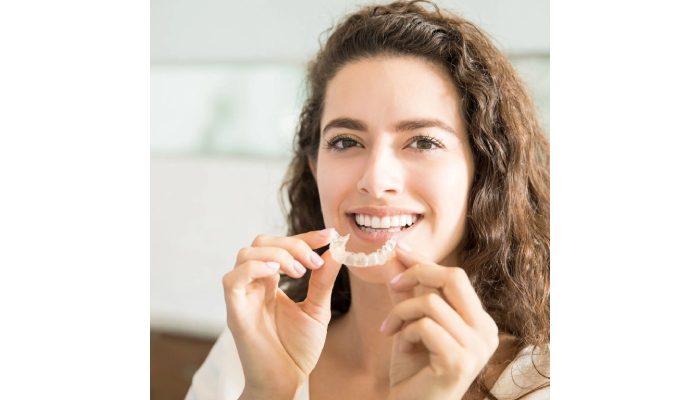
Before starting your journey with clear aligners in Houston, there are some important things to consider. First, while you might notice slight speech changes initially, most users adjust quickly and can minimize any lisping through practice. One major perk is the flexibility in diet, clear aligners can be removed during meals! Just remember to clean them after eating, especially with colorful foods. Patients should also expect some initial discomfort as they switch trays but it tends to fade quickly. Lastly, commitment is key: wearing your aligners for 20 to 22 hours daily is essential for success!
1. Impact on Speech with Clear Aligners
Houston clear aligners like Invisalign are designed to be discreet and effective, and they generally do not have a significant impact on your speech. Initially, you might notice some minor changes in how you talk, perhaps a slight lisping, but don’t worry, this is usually just temporary. Most users adapt within a few days, returning to their normal speech patterns as they get used to having the aligners in place. To make the transition smoother, practicing speaking with the aligners in can enhance your speech clarity. Try speaking in front of a mirror to boost your confidence and help adjust your pronunciation. Reading aloud can also be a great way to acclimate to the aligners, and interestingly, some patients even report clearer pronunciation after fully adjusting. Remember, everyone’s experience can vary based on individual tongue and mouth structures, so if you find speech issues persisting, consulting a speech therapist can be beneficial. Overall, while there may be some minor speech changes initially, the benefits of clear aligners often far outweigh these fleeting adjustments.
- Most users adapt within a few days, returning to normal speech patterns.
- Practicing with the aligners in can enhance speech clarity.
- Slight lisping may occur initially but is often temporary.
- Speaking in front of a mirror can boost confidence during adjustment.
- Reading aloud can help users acclimate to the aligners.
- Some patients report clearer pronunciation after full adjustment.
- Experience may vary based on individual tongue and mouth structure.
- Consulting with a speech therapist may help if issues persist.
- Clear aligners have minimal impact on everyday communication.
- Overall, the benefits of aligners often outweigh any minor speech changes.
2. Diet Flexibility During Treatment
One of the best things about clear aligners is the freedom they offer when it comes to diet. You can simply remove them for meals, which means you can enjoy your favorite foods without restrictions. This flexibility is a huge advantage over traditional braces. However, to keep your treatment on track, it’s important to rinse your aligners after eating, especially if you’ve had colored foods or drinks, to avoid staining.
While you’re wearing your aligners, stick to drinking water and steer clear of colored beverages, as they can cause discoloration. It’s also wise to avoid sticky or hard foods that might damage your aligners. Regular meals can help you avoid discomfort during adjustments, allowing you to eat normally without worrying about pain.
Plan your meals and snacks wisely to ensure you’re wearing your aligners for the recommended 20 to 22 hours each day. Frequent snacking can lead to longer treatment times if you aren’t consistent with your aligners. Having a balanced diet not only supports your overall oral health but also makes the experience of wearing clear aligners much more enjoyable.
3. Importance of Retainers After Treatment
Retainers are a crucial part of your journey with clear aligners. After you finish treatment, these devices help ensure your teeth don’t shift back to their original positions. Most patients wear retainers at night, which makes them convenient and less noticeable, especially if you choose clear options. It’s important to understand that regular retainer wear is vital for keeping that beautiful smile you’ve worked hard for. Some people might find they need to wear their retainers longer than others, making it a lifelong commitment for maintaining stability. Luckily, retainers are generally less expensive than aligners, making them accessible for everyone. If you’re interested, you can also discuss options for permanent retainers with your dentist. Regular check-ups will help monitor how well your retainer is doing its job. Overall, retainers are essential for the long-term success of your orthodontic treatment, ensuring your smile stays just as stunning as the day you finished your aligner journey.
4. Understanding Potential Discomfort
When starting with a new set of clear aligners, it’s common to feel some mild pain or discomfort. This is especially true as your teeth begin to shift towards their desired positions, which can cause a bit of pressure. However, don’t worry, this discomfort usually fades within a few hours. If you find it bothersome, over-the-counter pain relievers can provide relief.
Switching to a new tray every one to two weeks might also lead to temporary sensitivity, but wearing your aligners for the recommended 20 to 22 hours a day can help minimize this discomfort over time. If you experience irritation from the aligners, using orthodontic wax can be a quick fix.
Regular check-ups with your orthodontist are essential, as they can help manage any discomfort issues you may have along the way. It’s important to remember that different aligners may cause varying levels of discomfort based on your specific treatment plan. If you have any concerns, discussing them with your orthodontist can provide reassurance and helpful solutions. Most users find that the discomfort is manageable, especially when compared to traditional braces.
5. Commitment to Wearing Aligners
Wearing clear aligners is all about commitment! To achieve the best results, you’ll need to wear them for 20 to 22 hours a day. This means taking them out only for meals and while brushing your teeth. Setting reminders on your phone can be a game-changer, helping you remember to pop those aligners back in after eating. When they’re not in your mouth, be sure to keep them in a case to avoid losing or damaging them. Sticking to the wear schedule can actually speed up your treatment, making it well worth the discipline. Some people find it helpful to track their wear time on a calendar, giving them a visual reminder of their progress. If you run into challenges, don’t hesitate to chat with your orthodontist; they can provide solutions tailored to you. Additionally, joining a peer support group can boost your motivation, keeping you on track. Remember, your commitment plays a huge role in the success of your orthodontic journey, leading to that beautiful smile you’ve always wanted!
6. Fewer Office Visits for Convenience
One of the standout benefits of choosing clear aligners is the significantly reduced number of office visits compared to traditional braces. Patients usually have appointments every six to eight weeks, which means less time spent in the dentist’s chair and more time enjoying life. This is especially advantageous for those with busy schedules, as fewer visits translate to less time off work or school. Furthermore, many providers offer remote monitoring options, allowing you to track your progress between visits. This added flexibility empowers you to manage your treatment more independently, fitting it seamlessly around your personal commitments. Telehealth consultations may also be available, so you can stay connected with your orthodontist without the need for in-person visits. Regular check-ins ensure that your treatment stays on track while also reducing overall treatment stress. Enjoying the convenience of fewer office visits makes clear aligners a popular choice for busy individuals striving for a perfect smile.
7. Cost Considerations for Clear Aligners
The cost of clear aligners can vary quite a bit, depending on how complex your case is and where you go for treatment. Generally, clear aligners might be more expensive upfront than traditional braces, which can be a surprise for some. However, many clinics in Houston offer financing options that can help you manage those payments over time. It’s also worth checking with your insurance provider, as some plans may cover part of the cost, making it easier on your wallet.
Before diving in, consider scheduling an initial consultation. This visit can provide you with a clearer estimate of the expenses involved. Many clinics are open to discussing payment plans that can fit your budget, so don’t hesitate to ask. Some practices even offer promotions or discounts for new patients, which can significantly reduce your overall costs.
While the initial expense might seem high, it’s important to think about the long-term value of clear aligners. The convenience and comfort they offer can justify the price for many people. Plus, having fewer office visits can save you time and hassle. Engaging in an open conversation with your provider about costs will not only aid in better financial planning but can also lead to a smoother treatment experience.