
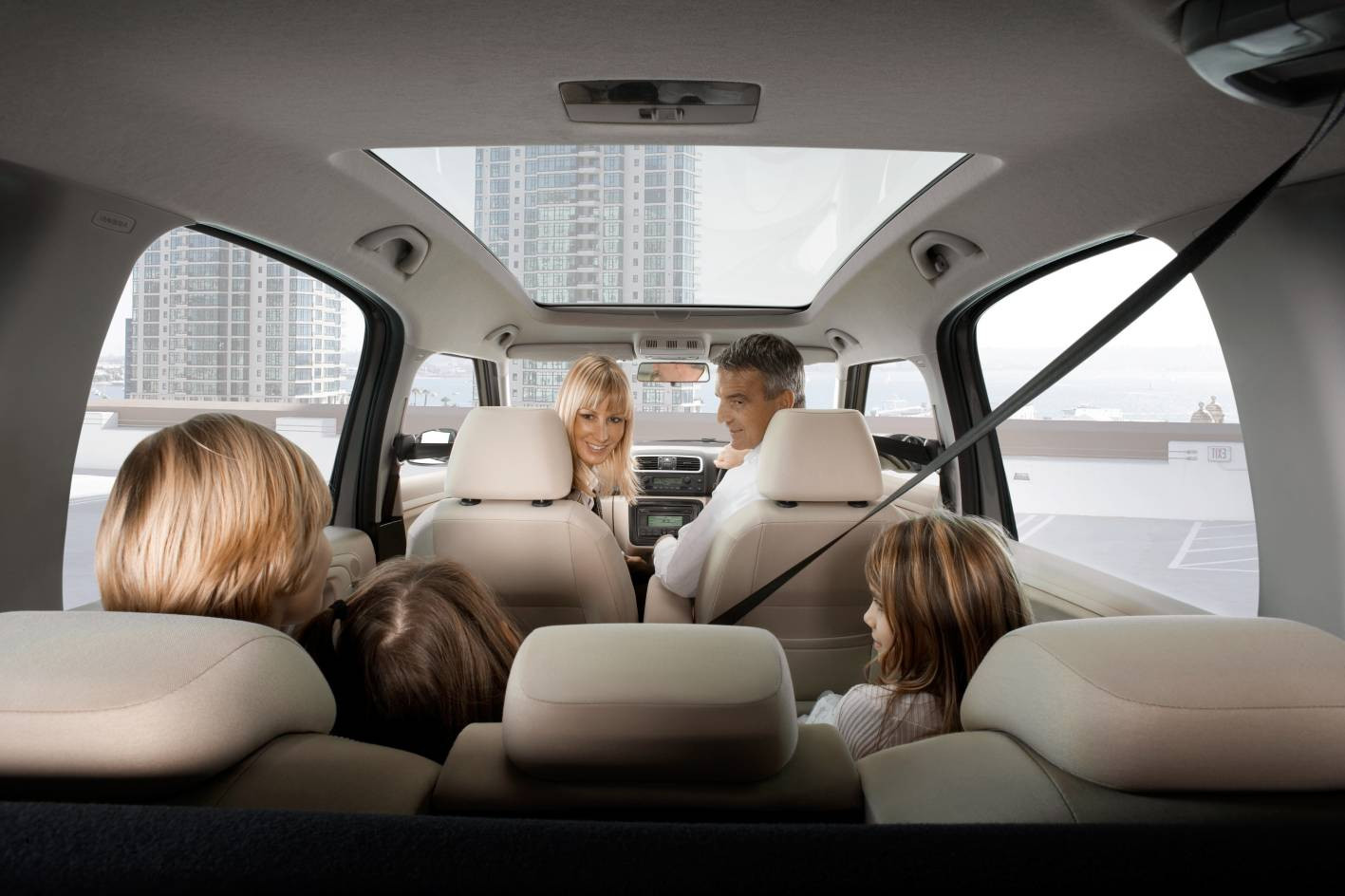
When it comes to choosing a vehicle for your family, safety is non-negotiable. As automotive technology advances, modern family vehicles are equipped with an impressive range of safety features designed to protect passengers, prevent accidents, and give drivers greater control in unexpected situations. From advanced driver-assistance systems (ADAS) to passive protection technologies, today’s family cars are safer than ever before.
In this article, we’ll explore the top safety features in modern family vehicles that every parent or caregiver should know about before buying their next car.
1. Automatic Emergency Braking (AEB)
Automatic Emergency Braking is a critical safety feature that helps prevent collisions. Using sensors and cameras, AEB detects potential crashes with vehicles or pedestrians ahead. If the driver doesn’t react in time, the system automatically applies the brakes to reduce the severity of impact or avoid the accident entirely.
-
Benefits:
-
Helps prevent rear-end collisions
-
Particularly useful in stop-and-go traffic
-
Enhances driver response in emergencies
-
AEB is now standard in many new vehicles and has become a top priority for family cars.
2. Blind Spot Monitoring (BSM)
Blind Spot Monitoring uses sensors to alert the driver when there’s a vehicle in the blind spot, typically through visual or audible signals. This feature is especially helpful on highways and during lane changes, where a moment of inattention can lead to serious accidents.
-
Benefits:
-
Reduces lane-change accidents
-
Increases driver awareness
-
Essential for larger vehicles like SUVs and minivans
-
Blind spot monitoring is an important safety enhancement in family vehicles that often have limited rear visibility.
3. Lane Keeping Assist (LKA)
Lane Keeping Assist helps prevent unintentional lane drifting. If the system detects that the vehicle is veering out of its lane without a turn signal, it either alerts the driver or gently corrects the steering to keep the car centered.
-
Benefits:
-
Prevents road departure accidents
-
Useful during long-distance highway driving
-
Minimizes distraction-related incidents
-
Lane Keeping Assist is often bundled with other safety systems under ADAS packages in modern vehicles.
Also Read:
How to Maintain Your Car’s Engine for Longevity: Essential Tips for a Long-Lasting Engine
4. Adaptive Cruise Control (ACC)
Adaptive Cruise Control maintains a safe distance from the car ahead by automatically adjusting your vehicle’s speed. Unlike traditional cruise control, ACC uses radar or cameras to monitor traffic and slow down or speed up accordingly.
-
Benefits:
-
Reduces fatigue on long trips
-
Maintains consistent, safe following distance
-
Ideal for highway driving with variable traffic
-
This feature adds convenience while improving safety, making it perfect for family road trips.
5. Rear Cross-Traffic Alert (RCTA)
Rear Cross-Traffic Alert helps you back out of parking spaces safely by detecting oncoming traffic from the sides. It’s particularly useful in crowded areas where visibility is limited.
-
Benefits:
-
Prevents backing collisions
-
Improves safety in tight parking lots
-
Great for parents who frequently park at schools or shopping centers
-
Many systems pair RCTA with backup cameras and automatic rear braking for added safety.
6. 360-Degree Camera System
A 360-degree camera system provides a bird’s-eye view of your vehicle by combining images from multiple cameras around the car. This technology significantly improves visibility when parking or maneuvering in tight spaces.
-
Benefits:
-
Reduces blind spots during parking
-
Assists in avoiding curbs and obstacles
-
Enhances confidence in tight urban settings
-
This is especially helpful in larger family vehicles like three-row SUVs or minivans.
7. Rear Seat Reminder System
Family vehicles often carry children and pets in the back seat. Rear Seat Reminder systems help prevent tragic accidents by alerting drivers to check the back seat before exiting the vehicle.
-
Benefits:
-
Prevents heatstroke and injuries
-
Offers peace of mind for busy parents
-
Standard in many newer models aimed at families
-
This safety feature demonstrates how modern vehicles are addressing real-world risks for families.
8. Advanced Airbag Systems
While airbags are standard in all vehicles, advanced airbag systems in modern family vehicles offer enhanced protection. These systems adapt deployment force and timing based on seat occupancy, passenger size, and crash severity.
-
Benefits:
-
Better protection for children and adults
-
Includes side-impact and curtain airbags
-
Provides comprehensive coverage during collisions
-
Pairing airbags with well-designed crumple zones further increases the overall safety of the vehicle.
9. Traction Control and Electronic Stability Control (ESC)
Traction Control and Electronic Stability Control are essential systems that prevent skidding and maintain vehicle control in slippery or emergency situations. ESC monitors your vehicle’s movement and applies individual brakes to help steer it in the intended direction.
-
Benefits:
-
Improves handling in adverse weather
-
Prevents rollover and loss of control
-
Critical for winter or off-road family trips
-
These systems have become standard in most vehicles and are especially important in SUVs and crossovers.
10. Child Safety Features
Family cars often include built-in child-focused safety features to ensure younger passengers stay safe on every trip.
-
Latch systems: Simplify the installation of child safety seats.
-
Rear door child locks: Prevent children from accidentally opening doors.
-
Built-in booster seats: Found in some models for easier transitions as kids grow.
-
Window lock controls: Prevent children from operating rear windows.
These features ensure family vehicles are tailored for all ages, with specific attention to the safety needs of children.
Conclusion: Safety First for Your Family
Modern family vehicles are more than just spacious and comfortable—they are engineered with cutting-edge safety features to protect what matters most. From automatic emergency braking and blind spot monitoring to rear seat reminders and child-specific safety systems, today’s vehicles are equipped to prevent accidents and minimize injuries.
When choosing your next family vehicle, prioritize models with advanced safety technologies that provide both active and passive protection. Investing in a car with these features can make every journey safer, no matter the destination.