
Buying a used car can be a smart financial decision, but keeping it running smoothly over the long term requires consistent care. While used vehicles may not have the latest technology or zero mileage, proper maintenance can help them last for many years—and save you thousands in repairs and replacement costs.
If you’re wondering how to maintain a used car for longevity, this guide covers all the key practices and tips you need to maximize your vehicle’s lifespan and performance.
Why Used Car Maintenance Matters
A well-maintained used car not only performs better but also retains more value over time. Whether you bought your vehicle from a dealership or a private seller, staying proactive with maintenance prevents small issues from turning into expensive problems.
Benefits of maintaining your used car include:
-
Improved fuel efficiency
-
Extended engine and transmission life
-
Enhanced safety on the road
-
Lower overall repair costs
-
Increased resale value when you’re ready for your next vehicle
Let’s explore how to keep your used car running like new.
1. Follow a Regular Maintenance Schedule
The most important thing you can do for your used car is to stick to the manufacturer’s recommended maintenance schedule. This schedule includes:
-
Oil changes (every 3,000 to 7,000 miles depending on oil type)
-
Tire rotations (every 5,000 to 8,000 miles)
-
Brake inspections
-
Fluid checks and top-offs (coolant, brake fluid, transmission fluid, power steering fluid)
-
Air filter replacement
-
Spark plug changes
Check your owner’s manual or ask your mechanic to create a custom schedule based on your car’s mileage and condition.
2. Use Quality Parts and Fluids
When replacing parts or fluids in a used car, quality matters. Opt for OEM (original equipment manufacturer) parts when possible, or trusted aftermarket brands. Cheap components may save money up front but often wear out faster and can lead to bigger problems down the line.
The same goes for fluids—engine oil, transmission fluid, and coolant should meet or exceed the manufacturer’s specifications.
3. Keep the Engine Clean and Healthy
Your engine is the heart of your vehicle. To protect it:
-
Change the oil and oil filter regularly
-
Check for leaks or strange noises
-
Replace air and fuel filters as needed
-
Use fuel system cleaners periodically to prevent carbon buildup
If your used car has higher mileage, consider using high-mileage motor oil, which contains additives to protect older engines and reduce oil consumption.
4. Protect the Battery
Battery issues are common in used cars. To keep yours in top condition:
-
Inspect for corrosion around terminals and clean them if necessary
-
Ensure the battery is securely mounted
-
Test the battery charge every 6–12 months
-
Replace the battery every 3–5 years or as needed
Driving your car regularly also helps maintain the battery charge and prevents premature wear.
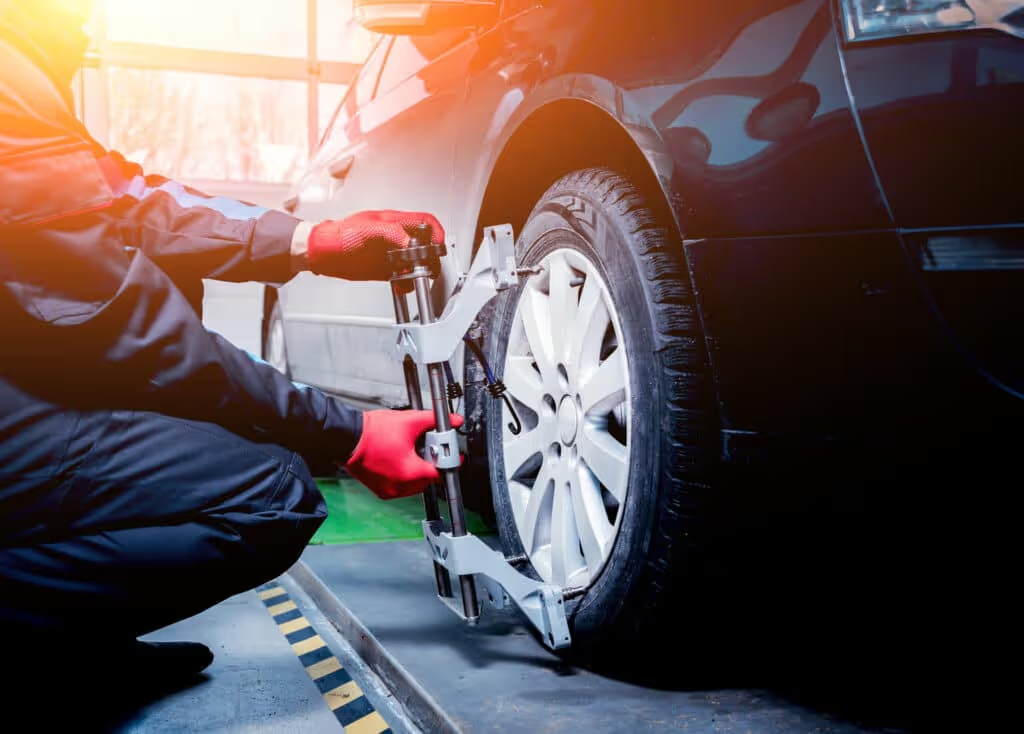
5. Monitor Tires and Alignment
Tires play a crucial role in your car’s performance and safety. Regularly inspect for:
-
Uneven tread wear
-
Low pressure (check monthly)
-
Cracks or bulges
-
Proper wheel alignment and balance
Misaligned wheels can cause uneven wear, reduce fuel efficiency, and stress your suspension components. Rotate your tires according to schedule and replace them when the tread is low.
6. Pay Attention to Warning Signs
Used cars often show early signs of trouble if you know what to look for. Never ignore:
-
Check engine lights
-
Unusual noises or vibrations
-
Fluid leaks under the vehicle
-
Changes in braking performance
-
Decline in fuel efficiency
Addressing problems early can prevent them from becoming major repairs.
7. Keep It Clean Inside and Out
A clean car is easier to maintain and more enjoyable to drive. Regular washing prevents rust and paint damage, especially during winter months when salt and grime can accumulate. Waxing your car every 3–6 months adds a layer of protection.
Don’t forget the interior—vacuum carpets, clean upholstery, and wipe down surfaces to prevent deterioration.
8. Protect the Transmission
Automatic and manual transmissions both require care. Change the transmission fluid and filter as recommended. Delayed shifting, slipping gears, or jerking motions can indicate transmission issues and should be addressed immediately.
Avoid overloading your vehicle or towing more than it’s rated for, especially if the transmission has already logged many miles.
9. Store Your Car Properly
If you don’t drive your car often, storage is key. Park in a covered area or use a weather-resistant car cover. Disconnect the battery for long-term storage, and consider adding a fuel stabilizer to the gas tank.
Keeping your car out of harsh elements helps preserve paint, rubber seals, and mechanical components.
10. Build a Relationship with a Trusted Mechanic
A reliable mechanic can be your best resource for keeping a used car in great shape. Regular inspections, honest feedback, and preventative care go a long way in extending your vehicle’s life. Choose a certified technician who understands your car’s make and model.
Used Car Ownership vs. Other Options
Taking care of a used car often raises a broader question—was it better to buy used, or should you have leased? Understanding the Pros and Cons of Leasing vs Buying a Car can help you make smarter decisions in the future. While leasing may offer lower monthly payments and newer models, buying (especially used) offers long-term value and no mileage restrictions. The key is proper maintenance. A well-maintained used car can outlast several lease terms with fewer ongoing costs.
Summary Checklist: Maintenance Habits for Longevity
To wrap up, here’s a simple checklist for keeping your used car running longer:
-
Follow the maintenance schedule
-
Use quality parts and fluids
-
Monitor tire pressure and rotate tires
-
Keep the engine clean and change oil regularly
-
Clean the car inside and out
-
Pay attention to warning lights
-
Inspect the brakes and suspension
-
Maintain the battery and electrical system
-
Store your car properly when not in use
-
Visit a trusted mechanic regularly
Final Thoughts
Your used car can last for well over 150,000 miles—or more—with proper care. Regular maintenance, early detection of issues, and simple upkeep routines make all the difference. The better you care for your vehicle now, the more years of reliable service it will give you.
By knowing how to maintain a used car for longevity, you not only save money but also contribute to a more sustainable driving experience. Treat your vehicle with attention and respect, and it will reward you with reliability, performance, and peace of mind.