
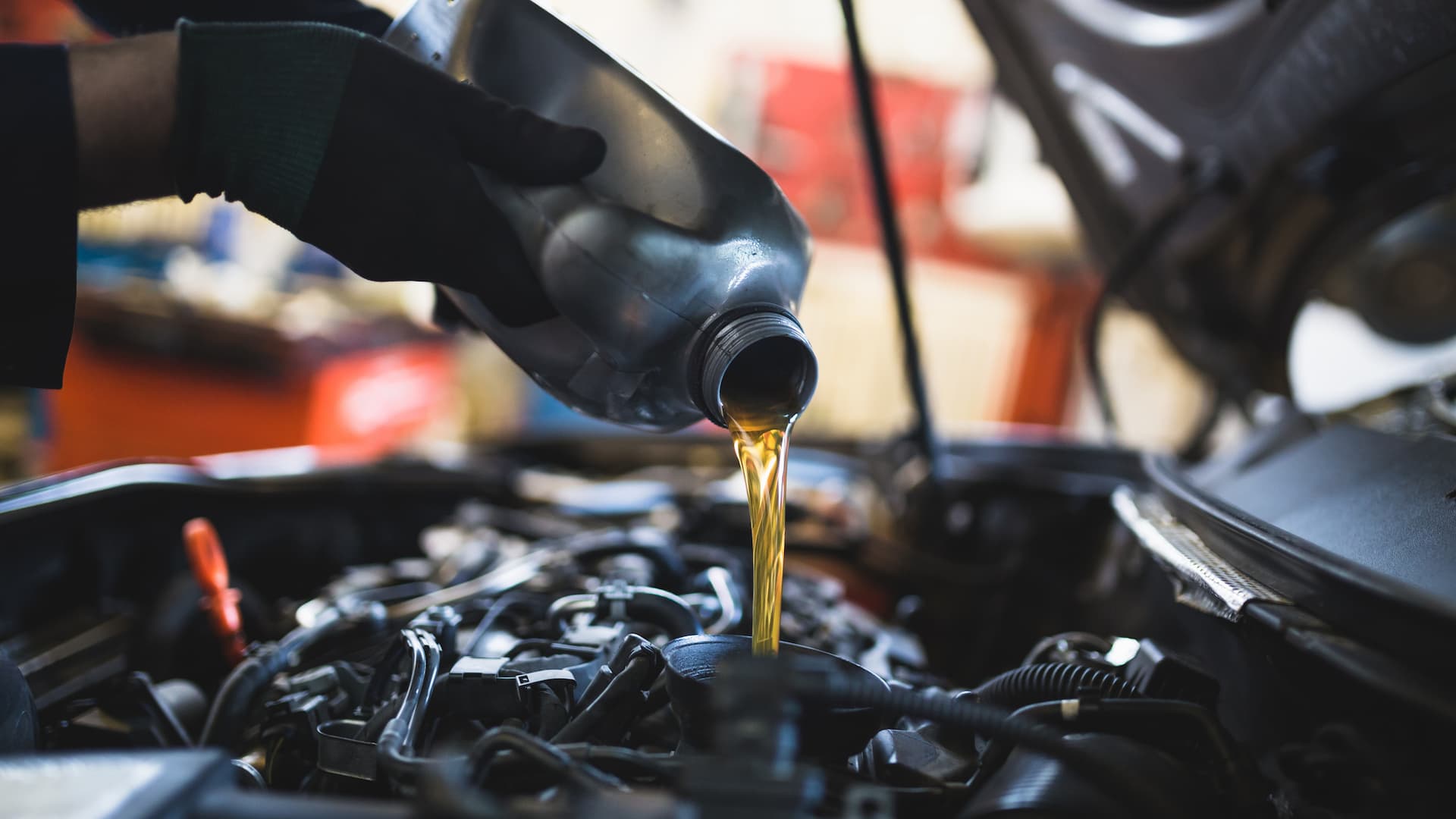
Regular oil changes are essential to maintaining your vehicle’s engine health and performance. Engine oil lubricates the moving parts inside the engine, reduces friction, helps regulate temperature, and keeps the system clean by preventing sludge buildup. Over time, oil degrades and becomes less effective, so replacing it at the recommended intervals is critical.
Changing your own oil is a manageable DIY task that can save you money and give you a better understanding of your vehicle. This step-by-step guide will walk you through how to change your car’s oil safely and effectively.
Why Changing Your Car’s Oil Is Important
-
Extends Engine Life: Fresh oil reduces wear on engine parts.
-
Improves Performance: A well-lubricated engine runs more smoothly and efficiently.
-
Boosts Fuel Efficiency: Clean oil helps reduce fuel consumption.
-
Prevents Engine Damage: Old oil thickens and accumulates debris that can harm your engine.
How Often Should You Change Oil?
Oil change intervals vary based on the type of oil used and your vehicle’s make and model. In general:
-
Conventional oil: Every 3,000 to 5,000 miles
-
Synthetic oil: Every 7,500 to 10,000 miles
Check your owner’s manual for manufacturer-specific guidelines.
What You’ll Need
Before getting started, gather the necessary tools and materials:
-
New engine oil (type and quantity specified in your owner’s manual)
-
New oil filter
-
Oil filter wrench
-
Socket wrench set
-
Oil catch pan
-
Funnel
-
Car jack and jack stands (or ramps)
-
Rubber gloves and shop rags
-
Old towel or tarp (to protect your garage floor)
Tip: Make sure the engine is cool before starting. Warm oil flows better, but working on a hot engine can be dangerous.
Step 1: Prepare Your Vehicle
-
Park your car on a flat, level surface.
-
Turn off the engine and allow it to cool for about 15–30 minutes.
-
Engage the parking brake.
-
Use a jack and jack stands or ramps to lift the front of the vehicle safely, giving you better access to the oil pan underneath.
Step 2: Locate the Oil Drain Plug
-
Slide under the vehicle and locate the oil pan—it’s a flat metal container bolted to the bottom of the engine.
-
Identify the drain plug, which is a large bolt at the bottom of the pan.
Place your oil catch pan directly underneath the plug to catch the old oil.
Step 3: Drain the Old Oil
-
Use a socket wrench to carefully loosen and remove the drain plug.
-
Allow the oil to drain completely. This usually takes 5–10 minutes.
-
Once the oil has stopped dripping, wipe off the plug and surrounding area with a rag.
Important: Be cautious—used oil may still be warm and can cause burns if not handled properly.
Step 4: Remove and Replace the Oil Filter
-
Locate the oil filter. It’s typically a round, canister-like object on the side of the engine.
-
Use an oil filter wrench to unscrew it counterclockwise. Be ready—some oil will likely spill out.
-
Before installing the new filter, apply a small amount of fresh oil to the rubber gasket on the new filter. This helps ensure a proper seal.
-
Screw on the new oil filter by hand. Tighten it snugly but do not over-tighten.
Step 5: Replace the Drain Plug
Once the oil has fully drained and the new filter is in place:
-
Reinsert the drain plug into the oil pan and tighten it with your socket wrench.
-
Ensure it is secure, but avoid over-tightening to prevent damage to the oil pan threads.
Step 6: Add New Oil
-
Open the hood and locate the oil filler cap (usually labeled “Engine Oil”).
-
Remove the cap and place a funnel in the opening.
-
Pour in the new oil slowly, using the type and quantity specified in your vehicle’s owner’s manual.
-
Once filled, replace the oil cap and tighten securely.
Step 7: Check Oil Level
-
Start the engine and let it run for a minute. Then turn it off and wait a few minutes to let the oil settle.
-
Pull out the dipstick, wipe it clean, then reinsert and remove it again to check the oil level.
-
The oil should be within the safe range marked on the dipstick. Add more if needed.
Step 8: Dispose of Old Oil Properly
Used motor oil is toxic and must be disposed of responsibly. Many auto parts stores, service centers, and recycling facilities accept used oil and oil filters for free.
-
Pour the used oil from the catch pan into a sealed container (like the original oil bottle).
-
Store the used filter in a plastic bag or sealed container.
-
Take both to a recycling center as soon as possible.
Never pour oil down a drain, into the trash, or onto the ground.
Step 9: Record the Oil Change
Keep a log of your oil change including the date, mileage, type of oil used, and the oil filter brand. This helps track maintenance and is useful when selling or servicing the car.
Additional Maintenance Tips
While changing your oil is one of the most critical tasks, consider checking these items at the same time:
-
Engine air filter
-
Windshield washer fluid
-
Coolant level
-
Tire pressure
-
Brake fluid
If you’re someone who enjoys working on your car as part of a broader DIY lifestyle—similar to those who explore Cheapest SUVs with Good Safety Ratings before purchasing vehicles that balance value and performance—you’ll appreciate the savings and control that come with hands-on car maintenance.
Common Mistakes to Avoid
-
Using the wrong oil type: Always refer to your owner’s manual.
-
Overfilling or underfilling oil: Use the dipstick to verify the correct level.
-
Cross-threading the drain plug or oil filter: Always hand-thread first, then tighten carefully.
-
Forgetting to replace the drain plug or oil cap: This can cause major leaks.
Final Thoughts
Changing your car’s oil is a rewarding and practical skill that enhances your understanding of vehicle maintenance while saving money over time. With a few tools, a bit of preparation, and this step-by-step guide, you can confidently perform an oil change at home.
Make it a part of your regular maintenance schedule, and your car will reward you with better performance, longer life, and fewer unexpected repair bills.