
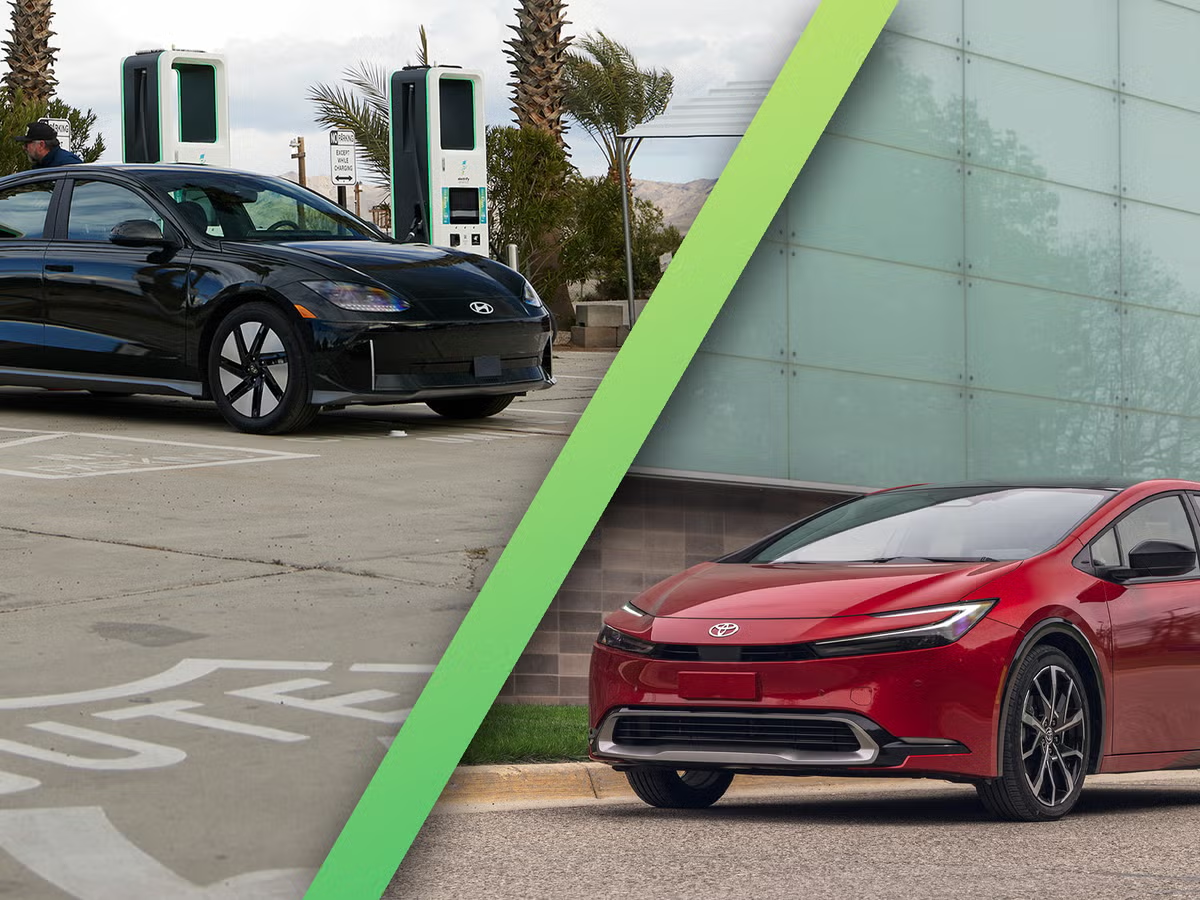
As the automotive industry evolves toward more sustainable and eco-friendly solutions, many drivers are faced with a key question: Should I choose a hybrid or an electric car? Both options offer advantages over traditional gasoline vehicles, particularly in reducing emissions and fuel costs. However, each comes with its own set of pros and cons.
If you’re considering making the switch but aren’t sure which type is right for you, this guide will break down the differences between hybrid and electric vehicles (EVs) so you can make a well-informed decision.
What’s the Difference?
Before diving into the pros and cons, it’s important to understand the core difference between hybrid and electric cars:
-
Hybrid cars combine a gasoline engine with an electric motor. They don’t need to be plugged in (unless they’re plug-in hybrids) and can run on gas when the battery is low.
-
Electric cars run solely on electricity using a large battery and electric motor. They must be plugged in to recharge and have no internal combustion engine.
Now, let’s explore the key advantages and disadvantages of each.
Pros of Hybrid Cars
1. Fuel Efficiency
Hybrids use electric power to supplement the gasoline engine, significantly improving fuel economy, especially in city driving where stop-and-go traffic allows regenerative braking to charge the battery.
2. No Range Anxiety
Unlike EVs, hybrids don’t rely solely on electricity. If your battery runs low, the gas engine takes over, giving you peace of mind for long trips or areas without charging stations.
3. Lower Emissions
Though not zero-emission, hybrids produce less carbon dioxide and pollution than conventional gas-powered cars.
4. Cost Savings
You’ll spend less on fuel compared to traditional cars, and many hybrids are eligible for federal or local tax incentives, making them more affordable over time.
5. Smooth Transition
For drivers new to electric power, hybrids offer a middle ground. You don’t need to change your driving habits much, and refueling at gas stations remains an option.
Cons of Hybrid Cars
1. Higher Initial Cost
Hybrid vehicles tend to be more expensive than traditional cars due to the added complexity of having two powertrains.
2. Maintenance Can Be Complicated
While they generally require less maintenance than gas-only cars, hybrids still have an internal combustion engine. You’ll need regular oil changes, unlike EVs. For those who want to handle maintenance themselves, consider reading a Step-by-Step Guide to Changing Car Oil to stay on top of upkeep.
3. Less Battery-Only Range
Most hybrids can only travel a few miles on electric power alone, making them less ideal for those who want to drive emissions-free most of the time.
4. Reduced Trunk Space
The need to accommodate both a gas engine and an electric motor often reduces cargo space compared to similar gas-only models.
Pros of Electric Cars (EVs)
1. Zero Emissions
EVs produce no tailpipe emissions, making them the cleanest option for the environment. Driving electric helps reduce greenhouse gases and air pollutants.
2. Lower Operating Costs
Electricity is generally cheaper than gasoline. In addition, EVs have fewer moving parts, so maintenance costs are significantly lower—no oil changes, no transmission issues, and less brake wear.
3. Smooth, Quiet Ride
Electric motors deliver instant torque, resulting in a smooth and quiet ride with rapid acceleration. Many drivers find EVs more fun to drive.
4. Tax Incentives and Rebates
Depending on where you live, you may be eligible for significant federal, state, or local tax credits and rebates, which can help offset the higher upfront cost.
5. Home Charging Convenience
With a home charger installed, you can “refuel” overnight and start each day with a full battery—no trips to the gas station required.
Cons of Electric Cars
1. Limited Range
While EV range has improved, many models still fall short compared to the range of gas or hybrid vehicles. Long-distance travel may require route planning around charging stations.
2. Charging Infrastructure
Though charging networks are expanding, they’re still not as widespread or fast as gas stations. This can be a challenge if you live in rural areas or multi-unit housing.
3. Longer Refueling Time
Even fast chargers take longer than pumping gas—often 30 minutes or more for an 80% charge. Regular home charging is slower but more convenient for daily use.
4. Higher Purchase Price
EVs typically cost more upfront, although this is changing as battery prices drop and more affordable models are released.
5. Battery Degradation
Over time, an EV’s battery can degrade, leading to reduced range. Most manufacturers offer 8 to 10-year warranties on EV batteries, but replacement costs can be high once out of warranty.
Which One Is Right for You?
Choose a Hybrid if:
-
You frequently drive long distances or don’t have reliable access to EV charging.
-
You want better fuel economy but aren’t ready to go fully electric.
-
You prefer a vehicle with both electric and gas capabilities.
Choose an Electric Vehicle (EV) if:
-
You want to reduce your carbon footprint as much as possible.
-
You have regular access to a home charger or live near public charging stations.
-
You mostly drive short to medium distances and can manage your trips around charging needs.
Cost Comparison Over Time
Although EVs generally cost more upfront, the long-term savings on fuel and maintenance can make them more economical over the vehicle’s lifetime. On the other hand, hybrids offer a balanced compromise—better fuel economy and environmental benefits without giving up the convenience of gas refueling.
| Feature | Hybrid Cars | Electric Cars |
|---|---|---|
| Fuel/Energy Cost | Moderate savings | High savings |
| Maintenance | Medium (needs oil changes) | Low (no oil, fewer parts) |
| Range | High (gas backup) | Varies (100–400+ miles) |
| Emissions | Low | Zero |
| Purchase Price | Medium | High (but dropping) |
| Charging Access | Not required | Required |
Final Thoughts
The decision between a hybrid and an electric car ultimately depends on your lifestyle, driving habits, and access to charging. Both vehicle types offer a cleaner, more efficient alternative to traditional gas cars, but they cater to different needs.
If you’re not quite ready to embrace a fully electric lifestyle, a hybrid offers a smooth and practical transition. But if you’re all-in on eco-friendliness and low operating costs—and can work around range limitations—an EV might be the smarter choice.
No matter what you choose, moving toward cleaner transportation is a step in the right direction for both your wallet and the planet.