
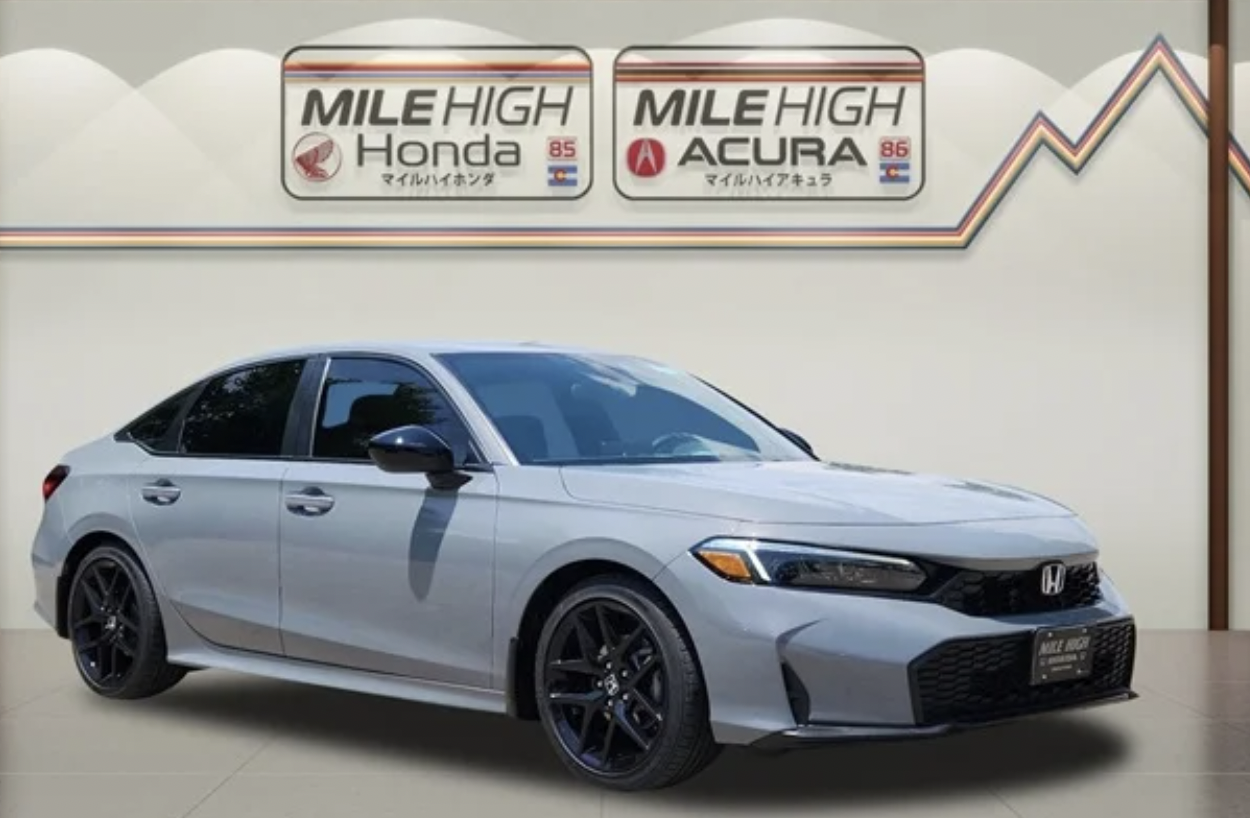
College life often means balancing academics, social activities, and finances. One major purchase that many students face is buying a car. For most college students, affordability, fuel efficiency, and reliability are top priorities. Whether commuting to campus or heading home for the holidays, a budget-friendly car can make all the difference.
In this guide, we’ll explore some of the best affordable vehicles for students, what features to look for, and how to make a smart car-buying decision that won’t break the bank.
What Makes a Car Ideal for College Students?
Not all cars are created equal—especially when it comes to student life. Here are a few key qualities to look for:
-
Affordability: Low purchase price and maintenance costs
-
Fuel Efficiency: Saves money on gas for long commutes
-
Safety: High safety ratings and essential driver-assist features
-
Reliability: Low risk of breakdowns or expensive repairs
-
Low Insurance Costs: Ideal for those needing car insurance for new drivers under 25
Top Budget-Friendly Cars for College Students
Here are some of the most reliable and cost-effective cars for college students in 2025:
| Car Model | Average Price (Used) | MPG (City/Highway) | Safety Rating (NHTSA) | Key Features |
|---|---|---|---|---|
| Honda Civic (2016-2020) | $10,000–$18,000 | 30 / 38 | 5 stars | Great MPG, reliable, easy to maintain |
| Toyota Corolla (2017-2021) | $11,000–$19,000 | 28 / 36 | 5 stars | Long lifespan, comfortable ride |
| Hyundai Elantra (2017-2021) | $9,000–$17,000 | 29 / 38 | 4–5 stars | Affordable, sleek design, great warranty |
| Mazda3 (2016–2020) | $10,000–$17,000 | 27 / 36 | 5 stars | Fun to drive, excellent build quality |
| Kia Forte (2018–2022) | $9,500–$17,500 | 31 / 41 | 4–5 stars | Excellent MPG, tech-savvy interior |
Best Features to Look for in a Student Car
Before buying, prioritize features that align with both safety and convenience:
-
Backup Camera – Helps with tight parking spots on campus
-
Bluetooth Connectivity – For hands-free calling and music streaming
-
Lane-Departure Warning – Adds a layer of safety for inexperienced drivers
-
Good Fuel Economy – Critical for students on a budget
-
Low Maintenance Costs – Less stress and fewer surprise bills
New vs. Used: What’s Better for Students?
Used Cars
-
Pros: More affordable, lower depreciation, cheaper insurance
-
Cons: May have more wear and tear, limited warranty
New Cars
-
Pros: Full warranty, latest tech and safety features
-
Cons: Higher cost, fast depreciation
For most students, a used car from a trusted brand offers the best mix of affordability and dependability.
Tips to Save Money When Buying a Student Car
-
Set a realistic budget: Factor in taxes, registration, insurance, and maintenance.
-
Check the vehicle history: Use services like Carfax to ensure no prior accidents or issues.
-
Get pre-approved financing: Shop for the best interest rates from credit unions or banks.
-
Test drive multiple cars: Don’t settle for the first car you see.
-
Consider insurance costs: This is a big one for students needing Car Insurance for New Drivers Under 25, which tends to be higher. Choose models with a strong safety record to reduce premiums.
FAQs About Budget-Friendly Cars for Students
Q1: Should I buy or lease a car for college?
A: Buying is usually the better option. Leasing can have mileage limits and extra fees, which aren’t ideal for unpredictable student schedules.
Q2: How much should a student spend on a car?
A: Most financial experts recommend spending no more than 15% of your annual income or student budget on a car.
Q3: Are electric vehicles a good option for students?
A: While EVs like the Nissan Leaf can be affordable used, charging access and maintenance can vary by location. It’s a good choice only if campus or housing provides reliable charging.
Q4: Is it better to buy from a dealership or private seller?
A: Dealerships offer certified pre-owned vehicles and financing options, but private sellers may offer better prices. Just be sure to get a mechanic’s inspection first.
Q5: What are some good first cars for students with no driving experience?
A: The Honda Fit, Toyota Yaris, and Hyundai Accent are compact, easy to drive, and come with excellent safety ratings—great choices for beginners.
Final Thoughts
Finding a budget-friendly car for college students doesn’t mean you have to sacrifice quality or safety. With careful research and a bit of patience, you can find a vehicle that fits your lifestyle and budget perfectly. Look for cars with solid reputations, low ownership costs, and modern safety features.
And don’t forget—choosing the right car isn’t just about the sticker price. Consider the total cost of ownership, from gas to car insurance for new drivers under 25, to ensure your choice supports you through graduation and beyond.