
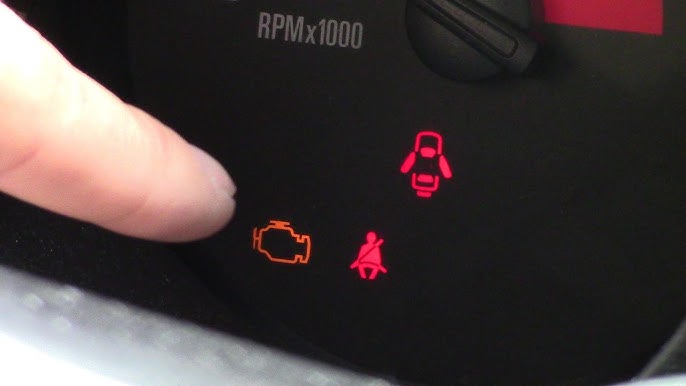
The check engine light (CEL) can be alarming, but it doesn’t always mean there’s a serious issue. In some cases, the light may appear due to a minor fault that’s already been resolved. If you don’t have a scanner or OBD2 tool on hand, you can still try to reset the check engine light using several simple methods.
This guide walks you through how to reset the check engine light without a scanner, when it’s safe to do so, and what precautions to take.
When Should You Reset the Check Engine Light?
Before resetting the light, it’s important to ensure the underlying issue has been addressed. If the cause is still present, the light will likely come back on.
Common minor causes include:
-
Loose or missing gas cap
-
Temporary sensor glitches
-
Minor emissions irregularities
If you’ve already checked for these issues and your vehicle is running normally, you may attempt a manual reset.
Method 1: Battery Disconnect Technique
One of the most common ways to reset the check engine light without a scanner is by disconnecting the car battery.
Steps:
-
Turn off the ignition and remove the key.
-
Open the hood and locate the battery.
-
Use a wrench to disconnect the negative (black) terminal first, then the positive (red) terminal.
-
Wait 10–15 minutes to allow the ECU (Engine Control Unit) to fully power down.
-
Reconnect the battery terminals (positive first, then negative).
-
Start the vehicle. The check engine light should be off.
⚠️ Caution: This may also reset radio presets, clock settings, and other electronic systems.
Method 2: Ignition Cycle Reset
This method can sometimes clear the check engine light without affecting battery-powered components.
Steps:
-
Insert the key and turn the ignition to the “ON” position without starting the engine.
-
Leave it on for 1–2 seconds, then turn it off.
-
Repeat this 3–5 times.
-
Start the engine and check if the light has turned off.
This method resets minor system errors, particularly those triggered by transient faults.
Method 3: Let It Turn Off on Its Own
If the issue is very minor (like a loose gas cap that’s now tightened), the check engine light may go off after a few drive cycles.
What’s a drive cycle?
A drive cycle involves a cold start, acceleration, highway cruising, and idling. The ECU runs diagnostics during these cycles. If no errors are detected over time, the light may reset automatically.
Method 4: Fuse Pull Method (Advanced Users)
This method involves removing the fuse that powers the ECU.
Steps:
-
Turn off the ignition.
-
Locate the ECU fuse in your car’s fuse box (check your owner’s manual).
-
Pull the fuse and wait about 10 minutes.
-
Reinsert the fuse, start the car, and check the dashboard.
This is less common but can be effective on certain vehicles.
Comparison Table: Reset Methods Without Scanner
| Method | Tools Needed | Risk of Data Loss | Best For |
|---|---|---|---|
| Battery Disconnect | Wrench | Yes | Full ECU reset |
| Ignition Cycle Reset | None | No | Temporary errors or glitches |
| Let It Reset Naturally | None | No | Minor issues already resolved |
| ECU Fuse Pull | Owner’s manual | Minimal | Advanced users with experience |
When NOT to Reset the Light
You should avoid manually resetting the check engine light if:
-
The vehicle is stalling, misfiring, or losing power
-
There’s smoke or overheating
-
You hear unusual noises from the engine or exhaust
-
Warning lights accompany the CEL (like oil or battery lights)
In these cases, consult a mechanic. Resetting the light without fixing the problem can mask serious issues.
Related Insight: Electrical System Caution
Sometimes a persistent check engine light may be linked to power issues rather than sensors. If you’re noticing dim headlights, slow engine crank, or dashboard flickering along with the CEL, consider checking for Signs Your Car Battery Needs Replacing. A weak or failing battery can cause false readings in your car’s onboard computer.
FAQs: Resetting the Check Engine Light Without a Scanner
Q1: Will the check engine light come back on after I reset it?
Yes, if the underlying issue hasn’t been resolved, the light will reappear after the ECU completes its diagnostics.
Q2: Is it legal to reset the check engine light before an emissions test?
No. Resetting the light without fixing the issue can trigger a “not ready” status in the emissions system, which can cause a test failure.
Q3: How long does it take for the check engine light to reset itself?
If the issue has been resolved, the ECU may clear the light after 10–20 drive cycles, depending on the make and model.
Q4: Can a low battery cause the check engine light to come on?
Yes. A weak battery or inconsistent voltage can trigger false codes or sensor misreadings.
Q5: Does removing the battery damage my car’s computer?
No, but it may reset certain settings like clock, radio presets, and stored fuel trims. It’s generally safe when done properly.
Final Thoughts
Resetting the check engine light without a scanner is possible using methods like battery disconnect or ignition cycles. However, these techniques should only be used if you’re confident the issue is minor and already resolved.
For persistent or serious issues, it’s always better to have your car scanned by a professional. Ignoring or covering up a genuine engine problem can lead to costly repairs down the line.