
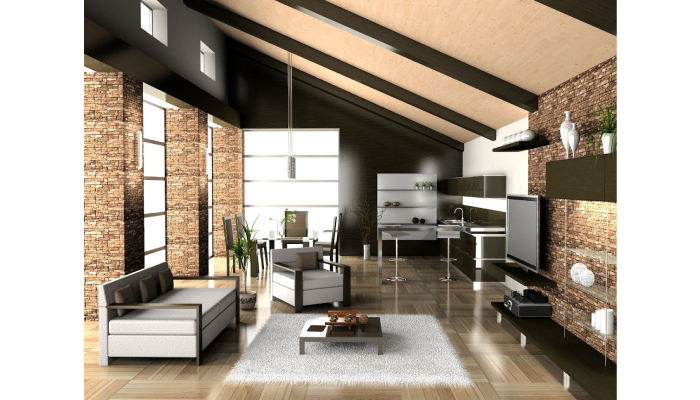
When designing a modern home in Florida, it’s easy to overlook crucial details that can lead to costly mistakes. One common issue is sticking to an inadequate budget; the base price from builders often leaves out essential expenses like permitting fees and hurricane-resistant features. Additionally, underestimating Florida’s unique environmental factors can be detrimental. Neglecting proper research on builders is another pitfall; ideally, you want someone with local expertise who communicates well. Rushing through the design phase also leads to regrets down the line, as functional choices should take precedence over mere aesthetics, and don’t forget about navigating local regulations diligently.
1. Inadequate and Inflexible Budgeting
When planning a modern Florida home designs, one of the biggest mistakes is underestimating the budget. Many homeowners fall for the base price illusion, thinking the initial figure from builders covers all expenses. In reality, this base price often excludes crucial costs for compliance and safety. You need to factor in substantial permitting costs and impact fees that municipalities impose, which can be quite high.
If your property is in a flood zone, building costs will increase due to the need for elevated foundations and specialized construction. Additionally, hurricane-resistant features, such as impact-resistant windows and reinforced roofs, are not optional in this state; they are essential for safety, and their costs should be included in your budget from the start.
Soil testing and preparation are also vital, especially in areas with sandy soils, which might require extra work to ensure a stable foundation. To avoid financial surprises, it’s wise to maintain a contingency fund of 15-20% of the total construction costs to address unforeseen issues that may arise.
Lastly, consider potential design changes during the building process. Modifications can be costly, so it’s best to plan for them. Don’t overlook expenses related to utility connection fees for local water, sewer, and electricity services. Finally, landscaping and exterior work are important both for aesthetics and compliance with local codes, so these should be part of your budget as well. Insurance costs, especially in hurricane-prone areas, can also be higher than expected, so include that in your financial planning.
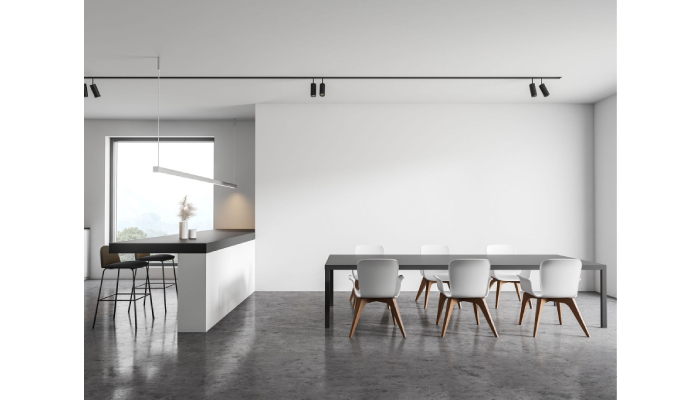
2. Underestimating South Florida’s Unique Environmental Factors
When designing a home in South Florida, it’s crucial to consider the region’s unique environmental challenges. Hurricane preparedness is at the forefront; familiarize yourself with building codes that emphasize hurricane resistance. Features like hip roofs and impact-resistant doors can be lifesavers during storm season. Additionally, managing humidity is essential to prevent mold growth. Ensure the building envelope is tightly sealed and install high-efficiency HVAC systems to keep your home comfortable and safe.
Flood risk is another critical factor. Understanding your property’s flood zone helps you comply with elevation and foundation requirements, which can significantly mitigate potential flood damage. Engaging a geotechnical engineer to assess soil conditions will also guide you in designing a suitable foundation, as sandy soils may require specific considerations.
Moreover, reflective roofing materials can reduce heat absorption, which is vital for lowering cooling costs in the sweltering summers. When landscaping, opt for native plants that thrive in the local climate and demand less water, aligning with sustainable practices. Lastly, consider wildlife interactions; designing your home to minimize negative encounters with local fauna is both responsible and practical. By addressing these environmental factors, you can create a home that is not only beautiful but also resilient and efficient.
- Hurricane Preparedness: Familiarize yourself with stringent building codes designed for hurricane resistance, consider features like hip roofs and impact-resistant doors.
- Humidity Management: Ensure a tightly sealed building envelope and install high-efficiency HVAC systems to combat humidity and prevent mold.
- Flood Risk Awareness: Know your property’s flood zone and comply with elevation and foundation requirements to mitigate flood damage.
- Soil Considerations: Engage a geotechnical engineer to assess soil conditions for suitable foundation design.
- Heat Reflection: Use reflective roofing materials to minimize heat absorption and reduce cooling costs during hot months.
- Plant Selection: Choose native plants for landscaping that can withstand local weather and require less water.
- Wildlife Considerations: Be aware of local wildlife and plan your design to minimize negative interactions.
- Wind Resistance: Incorporate wind-resistant design features to protect your home from high winds and debris during storms.
- Energy Efficiency: Utilize energy-efficient appliances and design to lower utility bills and environmental impact.
- Sustainable Materials: Consider using sustainable building materials that are better suited for the humid and wet environment.
3. A Flawed Approach to Choosing a Builder
Choosing the right builder for your Florida home is crucial, and it goes beyond just picking a name from a list. Start by verifying their experience, particularly in South Florida, where local permitting processes and a strong network of subcontractors can make all the difference. Be cautious of builders who present significantly lower bids; this often signals that they might be cutting corners or missing essential costs that could arise later. Communication is key, so ensure your builder is committed to providing consistent updates and being transparent throughout the project.
Also, don’t skip thorough reference checks. Ask previous clients detailed questions, such as how well the builder managed timelines and handled unexpected challenges. Before signing any contract, take the time to review it carefully. Understand all terms, conditions, and responsibilities to avoid surprises down the line. Moreover, verify that the builder carries the necessary insurance coverage to protect against accidents or damages.
It’s also wise to discuss realistic timelines and potential delays upfront. This will help you manage expectations and plan accordingly. Assessing the builder’s project management skills is equally important; a good builder should be capable of adapting to challenges as they arise. Lastly, inquire about warranty coverage for both workmanship and materials, ensuring your investment is protected for years to come. By taking these steps, you can avoid a flawed approach that could lead to costly mistakes in your home-building journey.
4. Rushing the Design and Planning Phase
One common mistake in modern Florida home design is rushing through the design and planning phase. It is crucial to prioritize functional design that meets Florida’s climate needs instead of focusing solely on aesthetics. For instance, consider how window orientation and shading can significantly reduce heat gain and help with energy efficiency. Additionally, embracing the South Florida lifestyle means designing spaces that seamlessly blend indoor and outdoor areas, creating a harmonious living environment. Comprehensive architectural plans are essential to avoid ambiguity, which can lead to costly changes during construction. Working with architects and designers who understand Florida’s unique challenges can help ensure your plans are not just beautiful but also practical and safe. Flexibility in design is also important; allowing for future expansions or lifestyle changes can save a lot of hassle later. Lastly, selecting durable materials that withstand Florida’s climate will not only enhance longevity but also minimize ongoing maintenance. Keeping safety considerations in mind, particularly in relation to hurricanes and flooding, is paramount for a successful design.
5. Neglecting the Nuances of Permitting and Regulations
Understanding the permitting process is crucial in Florida home design. Skipping permits can lead to delays, hefty fines, and even legal issues that may prevent you from occupying your new home. It’s essential to recognize that building codes vary widely between municipalities. Working with builders who are familiar with local regulations is vital to avoid complications.
Homeowners’ Associations (HOAs) can also complicate matters, requiring additional approvals that can extend project timelines and affect design changes. In Florida, it’s important to be aware of environmental regulations, especially if your construction is near wetlands or other protected areas.
Regular safety inspections during construction help ensure compliance with building codes. Keep thorough documentation of all permits, inspections, and correspondence related to your project. Familiarizing yourself with zoning laws is also key, as they dictate what can be built and where, helping you avoid potential legal challenges.
Change orders can disrupt your timeline and budget, so understanding their implications is crucial. Finally, ensure you receive final approval from local authorities before moving in; this protects you from future legal issues.
Frequently Asked Questions
What are common design mistakes in modern Florida homes?
Some common mistakes include ignoring local climate needs, underestimating the importance of outdoor space, and not considering energy efficiency.
How can I avoid making design errors when building a Florida home?
To avoid mistakes, work with experienced local designers, prioritize natural light, and pay attention to local building codes.
Why is it important to consider the environment in modern home designs?
Considering the environment helps create sustainable homes that blend with nature, reducing energy use and ensuring comfort.
What role does outdoor space play in Florida home designs?
Outdoor space is crucial for enjoying the warm Florida climate; it can enhance the living experience and increase property value.
How does local climate influence home design choices in Florida?
The hot and humid climate affects choices like insulation, ventilation, and the type of materials used, ensuring comfort and durability throughout the year.