

Mine tailings dredging offers a multitude of cost-saving benefits that can significantly improve the bottom line for mining operations. First, by recovering residual minerals left behind during previous mining efforts, companies can offset reclamation costs and minimize waste. Second, improved water management through sediment removal from tailings ponds leads to better water quality and reduced downtime for essential processes. Automation in dredging operations enhances productivity while lowering labor expenses. Additionally, reprocessing tailings can create new revenue streams by extracting valuable minerals. Furthermore, effective erosion prevention reduces long-term environmental costs and lessens closure plan expenditures, all while promoting sustainable practices that contribute to a circular economy in mining.
1. Recovery of Residual Minerals to Cut Costs
Mine tailings dredge operations often leave behind valuable residual minerals in tailings, which can be overlooked. By implementing dredging techniques, companies can effectively extract these materials, turning potential waste into profit. This approach not only reduces the costs associated with extracting new minerals but also minimizes the environmental impact by decreasing the need for new mining activities. Advanced dredging technology makes it easier and more cost-effective to recover these resources, leading to improved profit margins. The minerals recovered from tailings can be sold at competitive prices, generating an additional revenue stream. Moreover, targeting specific residual minerals during dredging enhances recovery rates, maximizing resource efficiency. The economic benefits realized from recovering these minerals can also help fund further sustainability initiatives within mining companies, making this practice a smart investment for the future.
2. Improved Water Management for Efficiency
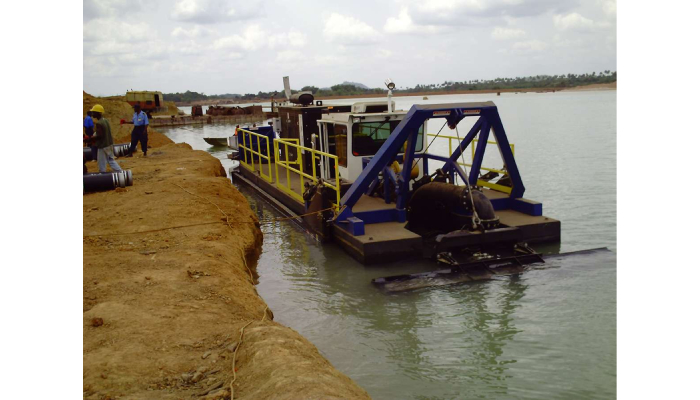
Dredging plays a pivotal role in enhancing water management in mining operations. By removing sediments that accumulate in tailings ponds, dredging improves water flow and availability, ensuring that clean water is consistently available for mineral processing. This is not just about convenience; clean water is essential for efficient operations, as it minimizes downtime and maintenance costs associated with water treatment systems. Furthermore, effective water management mitigates the risk of contamination, helping mining companies remain compliant with environmental regulations.
Dredging also aids in controlling water levels within tailings ponds, which prevents overflow and the hefty costs that come with it. It enables the testing of dredged sediments for pollutants, allowing only clean water to be reused. This not only boosts the overall health of the ecosystem surrounding mining sites but also leads to reduced sedimentation, translating to lower maintenance costs for water treatment systems. Additionally, managing sediment buildup through dredging can help prevent flooding, protecting mining operations from potential damages. Investing in such water management strategies can yield significant cost savings over time.
- Dredging removes sediments that can clog water sources, improving water flow and availability for mining operations.
- Clean water is vital for processing minerals, and dredging ensures a consistent supply.
- Proper water management reduces the risk of contamination and adheres to regulatory standards.
- Dredging can help control water levels in tailings ponds, preventing overflow and associated costs.
- Efficient water management can minimize the need for expensive water treatment processes.
- Dredged sediments can be tested for pollutants, ensuring that only clean water is reused.
- By improving water quality, dredging can enhance the overall health of the ecosystem around mining sites.
- Reduced sedimentation leads to lower maintenance costs for water treatment systems.
- Dredging can also help in flood prevention by managing sediment buildup, protecting mining operations.
- Investing in water management through dredging can lead to significant cost savings in the long run.
3. Cost Efficiency through Automation in Dredging
Automation is revolutionizing the dredging industry, drastically reducing operational costs. With advanced automated systems, the reliance on manual labor is significantly lessened, leading to lower labor expenses. Automation not only streamlines operations but also allows for real-time monitoring and adjustments, ensuring that the dredging process is as efficient as possible. For instance, automated dredging equipment can work continuously, increasing productivity while minimizing downtime.
Moreover, the precision achieved through automation enhances resource recovery, meaning that more valuable materials can be extracted from dredged tailings. This not only boosts profitability but also frees up funds for other crucial projects within mining operations. Safety is another critical aspect where automation shines: by reducing human involvement in hazardous environments, the risk of accidents decreases, ultimately cutting down on associated costs.
Investing in automation technology is not just about immediate savings; it creates long-term financial benefits for mining companies. With the integration of data analytics, companies can optimize their dredging processes and make informed decisions that further enhance efficiency. In this rapidly evolving mining landscape, embracing automation could very well be the key to unlocking significant cost savings.
4. Prevention of Erosion and Sedimentation Issues
Dredging plays a crucial role in preventing erosion and sedimentation, which can have detrimental effects on both the environment and mining operations. By stabilizing shorelines and reshaping landscapes, dredging mitigates the impacts of erosion, ensuring that valuable materials stay in place rather than being washed away. This process not only protects nearby habitats and ecosystems from harmful sediment runoff, but also helps maintain the water quality in surrounding bodies of water.
Moreover, effective dredging can lead to significant cost savings for mining companies. By controlling sedimentation, companies can avoid the costly environmental remediation efforts that often arise from sediment buildup. For example, if sediment displaces aquatic habitats, the costs to restore those environments can escalate quickly. Additionally, minimizing erosion can help prevent regulatory issues and fines, as companies demonstrate their commitment to environmental stewardship.
Long-term monitoring of dredged areas further enhances these benefits, providing valuable insights into ongoing erosion prevention. By adopting dredging as a proactive measure, mining companies can safeguard against future sedimentation problems, ensuring a stable environment for both operations and local ecosystems. Ultimately, investing in dredging not only bolsters the reputation of mining companies but also cultivates trust among stakeholders, reinforcing a commitment to sustainable practices.
5. Reduction in Closure Plan Costs
Effective dredging can significantly lower closure plan costs for mining companies by managing tailings responsibly. By reducing the volume of tailings, companies can streamline their reclamation projects, which often represent a major part of closure expenses. For instance, when a site is managed well, it can lead to quicker and less expensive restoration of landscapes, facilitating a smoother closure process. A well-executed closure plan also helps in preventing long-term environmental liabilities, which can be costly and damaging to a company’s reputation. Demonstrating effective tailings management during closure can boost stakeholder confidence, showing that a company is committed to responsible mining practices. Furthermore, dredging can open avenues for repurposing mining sites for other uses, enhancing land value post-closure. This reduction in closure plan costs can free up resources for companies to invest in new projects or innovative technologies. Good tailings management through dredging can simplify regulatory approvals during closure, making the entire process less cumbersome. Ultimately, investing in sound closure practices not only safeguards the environment but also enhances a company’s standing, potentially attracting more investors and ensuring a sustainable future for the land after mining operations cease.
6. Enhanced Sustainability Practices in Mining
Dredging plays a pivotal role in enhancing sustainability within the mining sector. By enabling the reuse of dredged materials, it reduces waste and supports efficient resource management. For instance, these materials can be used to rehabilitate mined land, effectively restoring ecosystems that were disrupted during mining operations. This practice not only aligns with the principles of a circular economy but also significantly lowers operational costs over time. Moreover, companies that adopt sustainable practices often find themselves in a better position to comply with environmental regulations, which can help them avoid costly fines and penalties. Investing in sustainability can enhance a company’s market reputation, attracting conscious consumers who prioritize environmentally friendly practices. Also, dredged materials can be repurposed for local infrastructure projects, benefiting surrounding communities and strengthening community ties. By committing to sustainable methods, mining companies can improve stakeholder trust and open doors to innovative partnerships and funding opportunities. These long-term sustainability initiatives not only drive profitability but also foster operational efficiency, making them an essential strategy for modern mining operations.
Frequently Asked Questions
What are mine tailings dredges, and how do they work?
Mine tailings dredges are specialized machines designed to remove waste materials left over after mining operations. They work by scooping up the tailings from the water or ground and transporting them for further processing or disposal.
How can using a dredge make mining operations more efficient?
Using a dredge can boost efficiency by quickly collecting tailings, which reduces the time and resources needed for cleanup. This speeds up the overall mining process, allowing companies to focus on extracting valuable materials.
What are the environmental benefits of using mine tailings dredges?
Mine tailings dredges can help minimize the environmental impact of mining. By properly managing tailings, these machines reduce the risk of pollution and erosion, which protects local ecosystems.
Can a mine tailings dredge help in reclaiming land after mining ends?
Yes, mine tailings dredges can contribute to land reclamation. They can assist in removing leftover materials, making it easier to restore the landscape and promote regrowth of vegetation.
Are there any safety benefits to using a dredge for tailings management?
Absolutely, using a dredge can enhance safety by reducing the need for workers to manually handle hazardous tailings. It helps minimize their exposure to potential dangers associated with the waste materials.