
Mining has always played a critical role in supplying the raw materials needed for construction, energy, and technology. However, one of the greatest challenges faced by the industry is the safe management of mine tailings—the slurry of fine particles, chemicals, and water left after valuable minerals are extracted. Improper handling of tailings can cause devastating environmental disasters, operational hazards, and long-term liabilities.
This is where the mine tailings dredge comes into play. By actively removing, relocating, or reprocessing tailings from storage ponds and dams, dredging provides a safer, more sustainable, and cost-effective solution for mine operators worldwide. Below, we’ll explore why mine tailings dredging is essential for safer mining operations, its benefits, methods, and its role in advancing sustainable practices.
What Is A Mine Tailings Dredge?
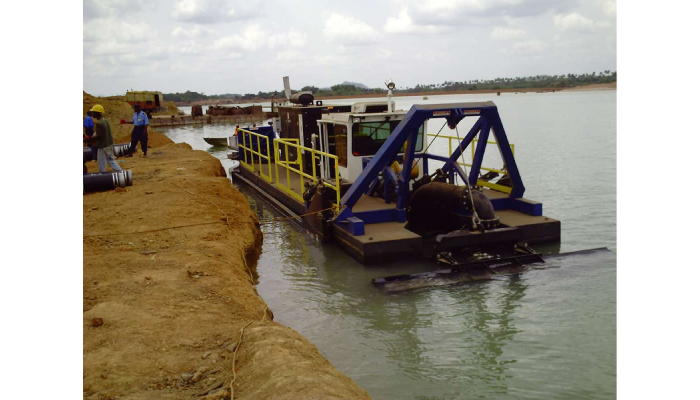
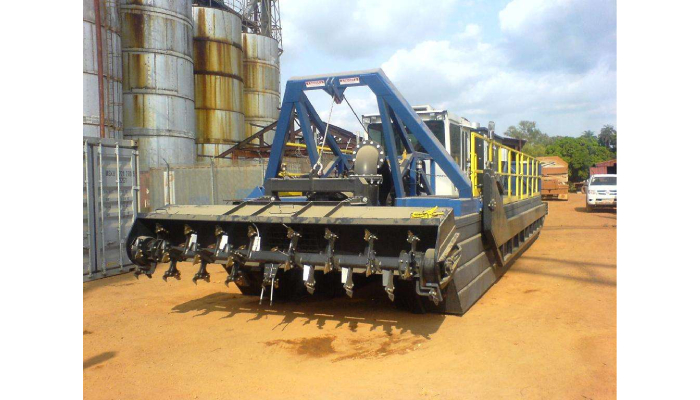
A mine tailings dredge is specialized dredging equipment designed to excavate and transport tailings material whether submerged, compacted, or fluid—from storage ponds, settling basins, or dam areas. These machines use pumps, cutterheads, and suction systems to extract the material and move it through pipelines for disposal, relocation, or reprocessing.
Unlike traditional excavation, which can be costly and disruptive, dredging provides a continuous, controlled, and efficient way of managing tailings.
How Mine Tailings Dredging Enhances Safety?
1. Reduces the Risk of Dam Failures
One of the most important benefits of using a mine tailings dredge is the ability to control pond levels and reduce hydraulic pressure on dams. By removing excess material and water, dredging lowers the risk of dam overtopping, seepage, or collapse.
2. Prevents Environmental Contamination
Dredging allows operators to relocate tailings away from sensitive water sources. Additionally, dredged materials can be treated or reprocessed, reducing the chances of chemical leaching or dust emissions.
3. Improves Operational Control
Unlike static storage, dredging gives operators active control over the tailings environment. Continuous monitoring and removal ensure that ponds don’t reach unsafe capacities.
4. Enhances Worker and Community Safety
Communities near mines often worry about the safety of tailings dams. By adopting dredging as a proactive safety measure, mining companies not only protect their workforce but also build trust with surrounding populations.
Types Of Mine Tailings Dredges
Different mining operations require different dredging approaches. Some common types include:
- Cutter Suction Dredges (CSDs): Equipped with a rotating cutterhead, these dredges are effective for compacted tailings.
- Hydraulic Dredges: Use suction pumps to transport fluid tailings, making them ideal for ponds and slurries.
- Amphibious Dredges: Capable of operating in shallow or fluctuating water levels.
- Remote-Controlled Dredges: Provide safety by reducing the need for operators to be physically present on unstable tailings ponds.
Choosing the right mine tailings dredge depends on factors such as the composition of tailings, depth of the pond, and desired end use of the dredged material.
Beyond Safety: Added Benefits Of Tailings Dredging
1. Resource Recovery
Many tailings still contain valuable minerals that were not fully extracted during the first processing cycle. Dredging enables reprocessing of old tailings, unlocking additional revenue while reducing waste.
2. Land Reclamation
By removing tailings, operators can reclaim land for other uses—whether for expansion, infrastructure, or even community projects such as agriculture or recreation.
3. Water Reuse
The dredging process often separates water from solids, allowing treated water to be reused in mining operations, reducing freshwater demand.
4. Regulatory Compliance
As environmental regulations tighten worldwide, mining companies are under pressure to adopt safer practices. Implementing a mine tailings dredge system demonstrates proactive compliance with global safety and environmental standards.
Case Examples: Safer Operations Through Dredging
- South America: Several copper and gold mines have adopted dredging to lower water levels in tailings ponds during rainy seasons, preventing dam breaches.
- Australia: Remote-controlled dredges have been deployed in uranium mines to manage radioactive tailings without exposing workers to direct risk.
- North America: Reprocessing projects using dredges have not only reduced tailings volume but also generated millions in additional mineral recovery.
These cases highlight how the use of mine tailings dredges translates into both safety improvements and economic advantages.
Integrating Mine Tailings Dredging Into Operations
To maximize safety and efficiency, operators should consider:
- Assessment and Planning – Conduct thorough geotechnical and environmental studies before dredging.
- Equipment Selection – Match dredge type and capacity to the specific tailings conditions.
- Monitoring Systems – Install sensors and controls to monitor water levels, dam stability, and dredge performance in real time.
- Training and Safety Protocols – Ensure staff are trained to operate dredges safely and respond to emergencies.
- Partnerships with Experts – Work with experienced dredging providers to ensure best practices.
The Role Of Technology In Modern Dredging
Today’s mine tailings dredges are far more advanced than older models. Key innovations include:
- Automation and Remote Operation – Reducing human risk in hazardous environments.
- GPS and Sonar Mapping – Enabling precise dredging and monitoring of pond depths.
- High-efficiency Pumps – Lowering energy consumption and improving throughput.
- Data Analytics – Allowing operators to predict and prevent risks before they escalate.
Such technologies not only make dredging safer but also significantly more cost-effective.
Toward A Safer, Sustainable Mining Future
As the global demand for minerals continues to rise, mining companies must balance production with responsibility. The safe management of tailings is no longer optional—it is a fundamental requirement for sustainable mining.
By implementing mine tailings dredge systems, operators can:
- Prevent catastrophic failures.
- Protect communities and ecosystems.
- Recover valuable resources.
- Comply with evolving regulations.
- Improve their reputation as responsible stewards of the environment.
Dredging is not just a maintenance task; it is a strategic investment in safety, sustainability, and profitability.
Conclusion
Mine tailings represent one of the greatest ongoing challenges in the mining industry. Left unmanaged, they pose serious safety and environmental risks. Fortunately, mine tailings dredging offers a proven and practical solution.
Through controlled removal, relocation, and even reprocessing of tailings, dredging reduces hazards, supports compliance, and opens opportunities for resource recovery and land use. For modern mining operations seeking to prioritize both safety and sustainability, the mine tailings dredge is not just a tool—it is the key to safer, smarter operations.