
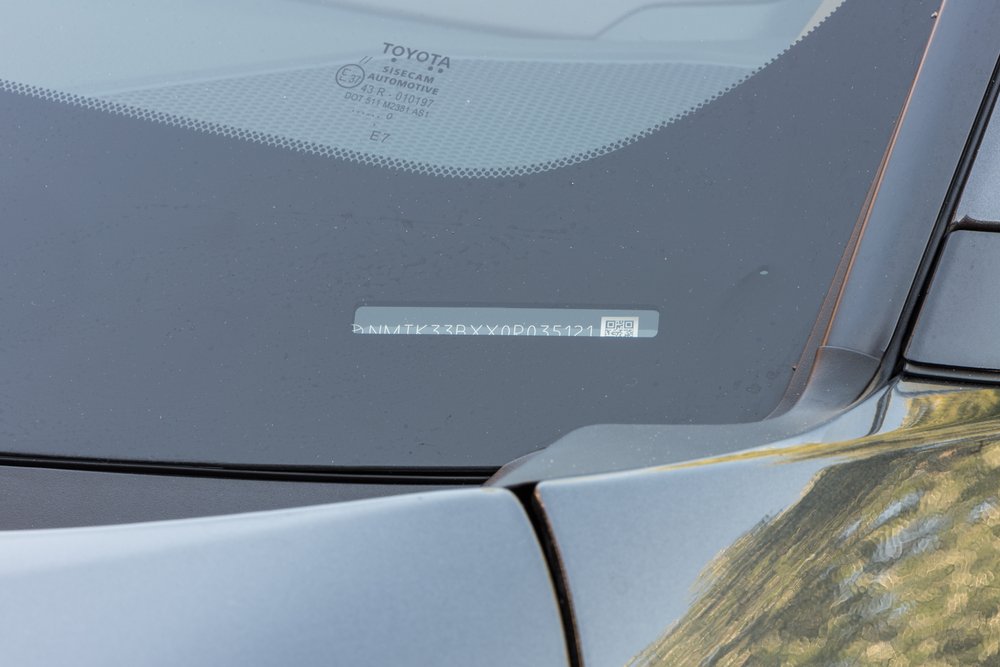
Every vehicle comes with a unique code known as the VIN, or Vehicle Identification Number. This 17-character alphanumeric identifier acts like your car’s fingerprint—no two vehicles have the same VIN. Whether you’re registering a vehicle, selling it, checking its history, or filing an insurance claim, knowing where to find your car’s VIN is essential.
In this article, we’ll walk you through how to find the VIN number on your car, explain what it means, and provide answers to common VIN-related questions.
What Is a VIN Number?
The Vehicle Identification Number (VIN) is a 17-character code used globally to identify individual motor vehicles. It provides detailed information including the make, model, engine type, manufacturing location, and the vehicle’s production year.
A typical VIN looks like this: 1HGCM82633A123456
Here’s what each section typically represents:
-
1st–3rd characters: Manufacturer identifier (e.g., Honda = 1HG)
-
4th–8th characters: Vehicle features (body type, engine, series)
-
9th character: Check digit (used to detect invalid VINs)
-
10th character: Model year
-
11th character: Plant of manufacture
-
12th–17th characters: Vehicle’s unique serial number
Where to Find the VIN Number on Your Car
Fortunately, the VIN is easy to locate once you know where to look. Here are the most common locations:
1. Dashboard (Driver’s Side)
Most common location.
Stand outside the car and look through the windshield on the driver’s side. The VIN will be visible at the bottom corner of the dashboard, near where it meets the windshield.
2. Driver’s Side Door Jamb
Open the driver’s door and check the door frame or the edge of the door itself. You’ll usually find a sticker or metal plate with the VIN, along with other information like tire pressure and manufacturing date.
3. Vehicle Title or Registration
Your VIN is printed on all official vehicle documents, including:
-
Title
-
Registration
-
Insurance paperwork
-
Vehicle purchase agreement
4. Under the Hood
On some vehicles, the VIN can also be found stamped on the engine block or firewall. This location is more common for older vehicles or in situations requiring deeper vehicle inspections.
5. Owner’s Manual
Although not common, some manufacturers list the VIN in the vehicle’s user manual. It’s worth checking if other locations are unclear or damaged.
How to Find the VIN on a Motorcycle or ATV
-
Motorcycles: The VIN is usually stamped on the steering neck or near the engine.
-
ATVs: Check the front left frame or the rear frame under the seat.
Table: Common VIN Locations by Vehicle Type
| Vehicle Type | VIN Location(s) |
|---|---|
| Cars | Dashboard (driver side), driver door jamb, documents |
| Trucks | Same as cars; may also appear on chassis or engine block |
| Motorcycles | Steering neck, engine casing |
| ATVs | Frame under seat or front left corner |
| RVs/Trailers | Frame rail, near tongue or hitch, door frame |
Why You Might Need Your VIN
Knowing your VIN is important for:
-
Checking vehicle history reports (e.g., Carfax or AutoCheck)
-
Verifying ownership or conducting a sale
-
Registering your vehicle
-
Ordering the right replacement parts
-
Filing insurance claims
-
Reporting a stolen vehicle
It’s also useful when using apps for rideshare services like Uber or Lyft, as you’ll need your VIN for registration and insurance verification—just like you’d need the Best Car Phone Mounts for Uber Drivers to safely secure your phone while driving.
What If the VIN Is Missing or Damaged?
In rare cases, the VIN may be:
-
Scratched or damaged
-
Painted over during repair work
-
Tampered with (in cases of theft or fraud)
If you’re unable to locate or read the VIN:
-
Check your vehicle title or registration documents
-
Visit a certified mechanic or your car’s dealership
-
Contact your local DMV for assistance
Tampering with or removing a VIN is illegal in most countries and is considered a criminal offense.
How to Decode a VIN
Once you have your VIN, you can decode it using a free online VIN decoder. These tools reveal:
-
Manufacturer
-
Vehicle specs (engine size, transmission type, trim level)
-
Assembly plant
-
Model year
Example tools:
-
NHTSA VIN Decoder (USA)
-
VINCheck (from National Insurance Crime Bureau)
-
Manufacturer-specific lookup tools
FAQs: Finding and Using Your VIN
What does the VIN look like?
A VIN is a 17-character alphanumeric code (letters and numbers). It will never contain the letters I, O, or Q to avoid confusion with the numbers 1 and 0.
Is my VIN the same as the license plate?
No. The VIN is a unique identifier for your vehicle’s structure and specifications, while the license plate identifies your vehicle’s registration within a region.
Can two cars have the same VIN?
No. Each VIN is unique to a specific vehicle and is never reused or duplicated.
Can I find my VIN online?
If you’ve registered your car with a dealership or insurance provider, you may be able to access your VIN through your account on their website. It’s also on digital versions of registration or insurance cards.
Where is the VIN on a rental car?
You can find the VIN on the dashboard (driver’s side) or on the driver’s door jamb—just like with personal vehicles.
Final Thoughts
Finding your VIN number is straightforward once you know where to look. Whether you’re registering your vehicle, checking its history, or selling it, the VIN is one of the most important pieces of information you’ll need. It’s usually located on the driver-side dashboard or door jamb, and it’s also printed on all official car documents.
Remember to keep a record of your VIN somewhere safe. It’s a valuable tool not only for paperwork and maintenance, but also in case your car is ever lost or stolen. And if you’re a rideshare driver, ensuring your documentation—including your VIN—is easily accessible is just as crucial as having one of the Best Car Phone Mounts for Uber Drivers to keep your trips smooth and safe.