
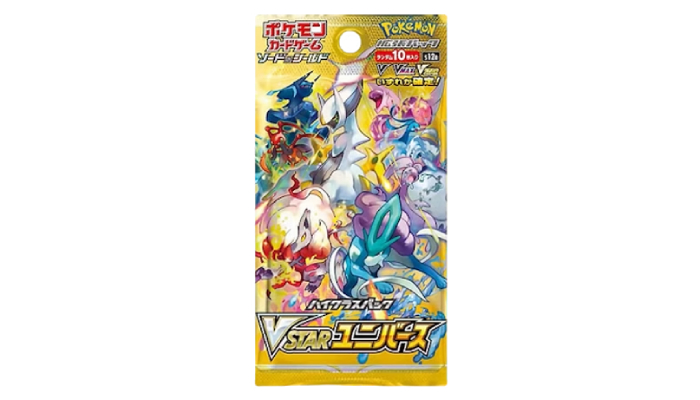
Fake Pokémon booster packs are a growing problem, especially on online marketplaces. To avoid scams, start with thorough research and look for certain key indicators of authenticity. Genuine packs will have clear design elements like the official Pokémon logo and vibrant colors. The wrapper should feel thick with a special tamper-proof seal at its center. Keep an eye out for discrepancies in design, such as spelling mistakes or poor print quality, these can signal a counterfeit product. Always buy from authorized retailers, as good prices typically indicate legitimacy; if something seems off, consult an expert to ensure your collection remains genuine and valuable.
1. Identifying Authentic Booster Pack Packaging
When diving into the world of Pokémon booster packs, the packaging speaks volumes about authenticity. Start by checking the placement and quality of the official Pokémon logo; it should be clear and prominently displayed. Compare the color patterns and finishes with other packs from the same set; any inconsistencies may raise a red flag. Look for unique holographic elements, as genuine packs often feature these intricate details that counterfeiters struggle to replicate. The feel of the packaging is also crucial; authentic packs are sturdy and well-constructed, while fakes may come off as flimsy or overly glossy.
Take a close look for unusual folds or cuts, which could indicate tampering. A simple yet effective trick is to weigh the pack; genuine booster packs usually have a specific weight that can help you spot a fake. The printing quality is another telltale sign: authentic packs have sharp, clear text and images, free from any blurriness. Don’t forget to check the bar code; it should be clear and match the product information. Lastly, familiarize yourself with the latest set releases, as staying updated on packaging changes helps you spot fakes more easily. By paying attention to these details, you can confidently navigate the exciting world of Pokémon cards and steer clear of counterfeit packs!
2. Signs That Indicate Fake Booster Packs
When you’re on the hunt for genuine Pokémon booster packs, you need to be vigilant about spotting signs of counterfeits. First, examine the size and shape of the packs. If they deviate from the norm, that’s a huge red flag. A pack that feels unusually light or has an odd smell could indicate it’s made from subpar materials, which is common in fakes. Next, inspect the packaging closely for glue marks or mismatched seams. Authentic packs are well-crafted, so any sign of sloppy workmanship could mean you’re holding a counterfeit.
Pay close attention to the artwork as well. If the images look pixelated or poorly printed, it’s likely a fake. Genuine packs showcase crisp and vibrant designs. Also, check for color variations that don’t match known authentic products. If the colors seem off or the finish is too shiny or too dull, reconsider your purchase.
Look at the text on the packaging; inconsistent fonts or sizes can signal that you’re dealing with a counterfeit. Finally, if a seller is offering a large quantity at a price that seems too good to be true, tread carefully. Doing some research can also help: compare the pack you’re considering with images of verified authentic products online.
3. Analyzing the Cards Inside Booster Packs
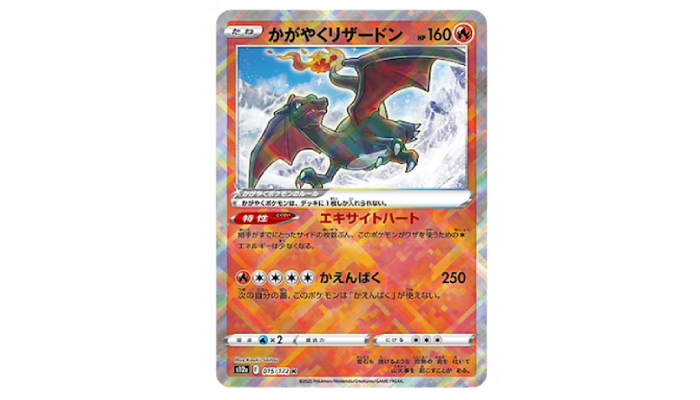
When you open a booster pack, take a close look at the cards inside. Authentic Pokémon cards should feel heavier and sturdier than their counterfeit counterparts, which often feel flimsy and light. Additionally, check for a consistent card layout and design across all the cards. Each genuine card has a unique card number and rarity symbol, so make sure these features are present and correct. You can also feel the texture; real Pokémon cards have a specific texture that feels different from fakes. Flip the cards over and examine the backs: authentic cards will display a consistent blue color and design without any inconsistencies.
Look closely at any holographic elements too. Genuine cards feature clear and vibrant holographics, while fakes often present dull or faded images. Authentic cards will not have any peeling or bubbling on the surface; they should be smooth and intact. Pay attention to the corners as well; real cards have rounded corners, whereas counterfeit ones might have sharply cut edges, a common giveaway. Lastly, take a moment to smell the cards. Real Pokémon cards have a specific scent that is associated with genuine printing processes. Familiarizing yourself with these details can make all the difference in ensuring you’re getting the real deal.
4. Tips to Avoid Buying Fake Packs
To stay safe while hunting for Pokémon booster packs, start by verifying the seller’s reputation and reviews. Stick to known platforms; avoid unknown sources and social media marketplaces where fakes often lurk. Before making a purchase, always ask for detailed pictures of the product and compare them to authentic items you know well. If you can, attend local trading events or visit shops. Getting a firsthand look at the product can provide invaluable insights. Stay connected with collector forums to keep up with recent counterfeiting trends, as these communities often share tips and experiences that can guide your decisions. Familiarize yourself with trusted price guides to gauge the typical market value for packs. If you come across limited-time offers or sales that seem too good to be true, proceed with caution, these are often red flags. Joining local or online Pokémon communities can also be helpful; experienced collectors can offer advice and share their insights. Whenever possible, buy from established retailers that have return policies, allowing you to feel secure in your purchase. Lastly, trust your instincts: if something feels off, it’s better to walk away.
- Always verify the seller’s reputation and reviews before making a purchase.
- Avoid purchasing from unknown sources or social media marketplaces.
- Ask for detailed pictures of the product before buying, and compare them to known authentic items.
- Attend local trading events or shops to see products in person when possible.
- Stay informed about recent counterfeiting trends by following collector forums.
- Use trusted price guides to understand the typical market value for packs.
- Be cautious of limited-time offers or sales that seem too good to be true.
- Join local or online Pokémon communities to get advice from experienced collectors.
- If possible, buy from established retailers with return policies.
- Trust your instincts; if something feels off, it’s better to walk away.
5. Resources for Further Learning
To deepen your understanding of how to avoid fake Pokémon booster packs, consider exploring a variety of resources. Engaging with Pokémon forums is a great way to connect with experienced collectors who can share valuable insights. YouTube is another fantastic platform where numerous channels focus on Pokémon card reviews and tips for spotting fakes, providing visual guidance that can enhance your skills. Reputable collector websites offer articles and guides that delve into the specifics of authenticating cards, while online courses and webinars can provide structured learning on collecting and identifying counterfeit products.
Following influencers in the Pokémon community who specialize in authenticity education can also be beneficial, as they often share the latest tips and trends. Social media groups dedicated to Pokémon trading and authenticity checks can keep you updated and allow for real-time discussions about potential fakes. For a more comprehensive understanding, reading books on collecting Pokémon cards can provide in-depth knowledge and historical context.
Online databases that catalog authentic Pokémon merchandise are invaluable for cross-referencing your own collection. There are even mobile apps designed specifically to help identify fake Pokémon products, making it easier to verify items on the go. Finally, staying updated with news from the Pokémon Company regarding authenticity initiatives ensures you are aware of the latest developments in the fight against counterfeits.
6. Summary of Key Points
Counterfeit Pokémon products are on the rise, posing a serious threat to collectors. To avoid falling victim to scams, it’s crucial to understand the key features of authentic booster packs. Look for distinctive packaging with vibrant colors and clear designs, as well as high-quality materials that are difficult to replicate. If you spot any inconsistencies, such as spelling errors or poor print quality, it’s a red flag. Always examine the cards inside, checking for quality, holographic features, and a mix of card rarity. When purchasing, stick to authorized retailers and always be cautious about prices that seem too low. Researching and staying informed can significantly reduce your risk, and engaging with the Pokémon community can provide valuable insights. Building relationships with trusted sellers enhances your collecting experience and helps protect your cherished collection.
Frequently Asked Questions
What should I look for on the packaging of Pokemon booster packs?
When examining the packaging, pay attention to logos, colors, and seals, as authentic packs usually have clear, bright designs and proper branding. Check for any signs of low-quality printing or errors.
How can I tell if the booster pack feels right?
Authentic booster packs have a specific weight and texture. They shouldn’t feel too light or flimsy, and the wrapping should be smooth and not overly loose or tight.
What are the signs of tampered booster packs I should watch for?
Look for packs that have been resealed, with uneven edges or missing glue. If the pack seems to have been opened before, that’s a strong red flag!
Where is the best place to buy Pokemon booster packs safely?
Buy booster packs from trusted retailers, either physical stores or well-reviewed online shops, to reduce the risk of purchasing fake products.
How can I check the card quality inside the booster packs?
Once you open a pack, examine the cards for quality. Genuine cards have a specific feel, vibrant colors, and clear text. If the cards seem thin or have blurry images, they may be fake.