
If your car shakes or vibrates when you hit the brakes, it’s more than just an uncomfortable experience—it’s a sign that something isn’t right. Brake-related vibrations can range from mildly annoying to potentially dangerous, and diagnosing the root cause early is crucial for both safety and long-term cost savings.
In this article, we’ll cover the most common reasons your car may shake when braking, how to fix them, and when to seek professional help.
Common Reasons Your Car Shakes When Braking
Several mechanical issues can cause your car to vibrate when braking. Below is a summary table to help you identify potential causes:
| Cause | Symptoms | Severity | Recommended Action |
|---|---|---|---|
| Warped brake rotors | Vibration in steering wheel or brake pedal | Moderate to severe | Resurface or replace rotors |
| Worn brake pads | Squealing, reduced braking power | Moderate | Replace brake pads |
| Sticking brake caliper | Constant drag, burning smell | Severe | Repair or replace caliper |
| Uneven tire wear | Vibrations even at low speeds | Moderate | Rotate, balance, or replace tires |
| Suspension or steering issues | Shaking during braking and turning | Severe | Inspect suspension system |
| Loose or damaged wheel components | Clunking sounds, shaking while braking | Severe | Tighten or replace affected components |
1. Warped Brake Rotors
What It Is:
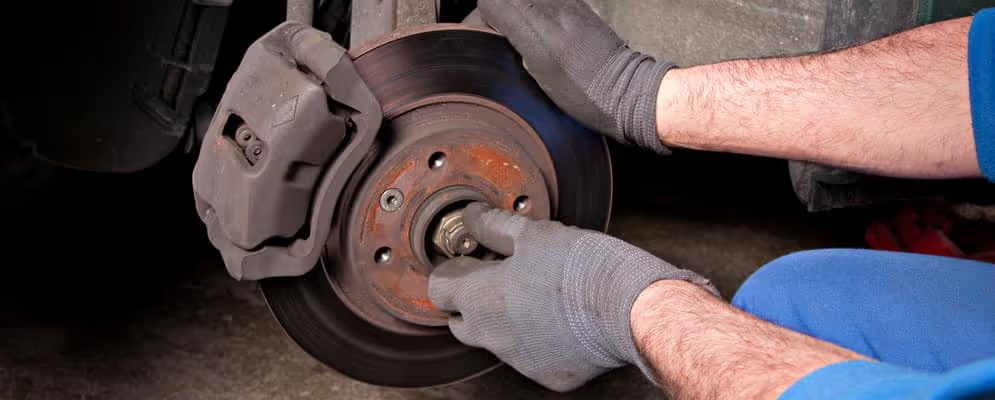
Brake rotors are the flat, round discs that your brake pads clamp down on to stop the car. Over time, heat and pressure can cause them to warp, especially if they’re thin or overheated.
Symptoms:
-
Shaking in the steering wheel or brake pedal during braking
-
Pulsating brakes, especially at higher speeds
Fix:
If rotors are mildly warped, they can sometimes be resurfaced. Severely warped or thin rotors should be replaced entirely.
2. Worn Brake Pads
What It Is:
Brake pads press against the rotors to slow the vehicle. When they wear down too much, they become uneven or lose grip, causing vibrations.
Symptoms:
-
Squeaking or grinding noises
-
Poor braking response
-
Shaking during deceleration
Fix:
Replace brake pads before they wear down completely. Check them regularly—typically every 10,000 to 20,000 miles, depending on usage.
3. Sticking Brake Caliper
What It Is:
Calipers apply pressure to brake pads. If a caliper sticks, it can apply constant pressure on the rotor, causing uneven braking and overheating.
Symptoms:
-
Constant pulling to one side
-
Shaking during braking
-
Burning smell from the wheels
Fix:
A sticking caliper needs professional inspection. The caliper may require lubrication, repair, or complete replacement.
4. Uneven Tire Wear or Out-of-Balance Tires
What It Is:
Tires that are worn unevenly or unbalanced can cause vibrations, especially when braking or driving at speed.
Symptoms:
-
Vibrations at various speeds
-
Uneven tire tread
-
Shaking intensifies while braking
Fix:
Rotate tires regularly and ensure they’re properly balanced. Replace tires if tread wear is extreme or uneven.
5. Suspension or Steering Component Issues
What It Is:
Your car’s suspension system (including tie rods, ball joints, and control arms) stabilizes the vehicle while braking and turning. Worn components can create instability and vibrations.
Symptoms:
-
Shaking while braking and turning
-
Clunking noises from the front end
-
Poor handling
Fix:
Have a mechanic inspect your suspension system. Replacing a single worn component can restore stability and safety.
6. Loose or Damaged Wheel Components
What It Is:
Loose lug nuts, worn wheel bearings, or a damaged hub can create vibrations that feel like brake-related issues.
Symptoms:
-
Clunking or knocking sounds
-
Vibration while braking or accelerating
-
Difficulty steering
Fix:
Check for loose lug nuts (always torque them to spec) or damaged hubs. A mechanic can perform a thorough wheel inspection.
How to Prevent Brake-Related Vibrations
| Prevention Tip | Why It Matters |
|---|---|
| Follow regular brake maintenance | Prevents rotor and pad wear |
| Avoid sudden hard braking | Reduces heat buildup that warps rotors |
| Rotate and balance tires | Promotes even tread wear |
| Replace brake fluid as needed | Ensures proper brake caliper function |
| Inspect suspension annually | Keeps all connected systems in check |
A Note on Vehicle Identification and Records
When bringing your car in for inspection or repairs, it helps to know key details about your vehicle—including its VIN. If you’re unsure, here’s how to find the VIN number on your car:
Look at the base of the windshield on the driver’s side, check inside the driver-side door frame, or refer to your car’s insurance or registration documents. Providing the VIN ensures accurate part matching and service history review.
Frequently Asked Questions (FAQs)
Q1: Is it safe to drive if my car shakes when braking?
It depends on the severity. Mild shaking might indicate rotor wear, but more intense vibrations could signal brake failure or steering issues. It’s best to have it inspected promptly.
Q2: Can bad tires cause brake vibration?
Yes. Tires that are out of balance or have uneven wear can cause your car to shake when braking, especially if paired with worn suspension.
Q3: How much does it cost to fix warped rotors?
Rotor resurfacing costs $100–$200. Replacing rotors may cost $250–$400 per axle, depending on vehicle make and model.
Q4: Can brake fluid affect vibration?
Not directly. But old or low brake fluid can affect braking performance, causing calipers to stick or respond unevenly, which might contribute to shaking.
Q5: How often should brakes be checked?
You should inspect your brakes every 10,000 to 12,000 miles or once a year. Pads and rotors have different life spans depending on your driving habits.
Final Thoughts
A car that shakes when braking is sending a message: something is wrong. While it might be as simple as worn brake pads or a warped rotor, it could also indicate deeper issues with your suspension or steering systems. Ignoring the problem not only affects comfort—it can compromise safety.
Whether you’re a daily commuter or an occasional driver, stay proactive with brake maintenance. If you experience any form of vibration while braking, get your car inspected immediately to prevent further damage or risk.
Your vehicle is a system of interconnected parts—and when one fails, others soon follow. Pay attention to the signs, and your car will reward you with smoother, safer drives.