
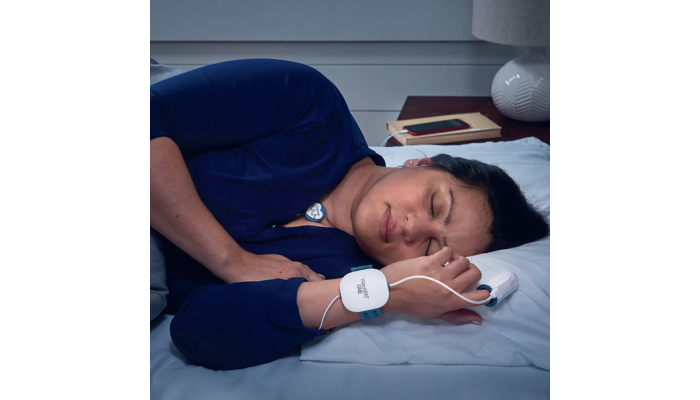
At-home sleep apnea tests, or HSATs, are gaining popularity as a convenient alternative to traditional lab tests for diagnosing obstructive sleep apnea (OSA). These devices monitor crucial metrics during sleep, like breathing patterns and oxygen levels. They offer notable advantages, including comfort and cost-effectiveness, generally ranging between $100 to $500 compared to $3,000 for in-lab studies. However, while HSATs can be helpful for many patients showing moderate to severe symptoms of OSA, they have limitations. Importantly, they cannot replace the thorough evaluation by a healthcare professional needed for complex cases or persistent symptoms. Combining home testing with medical advice seems the wisest approach.
What Are At-Home Sleep Apnea Tests?
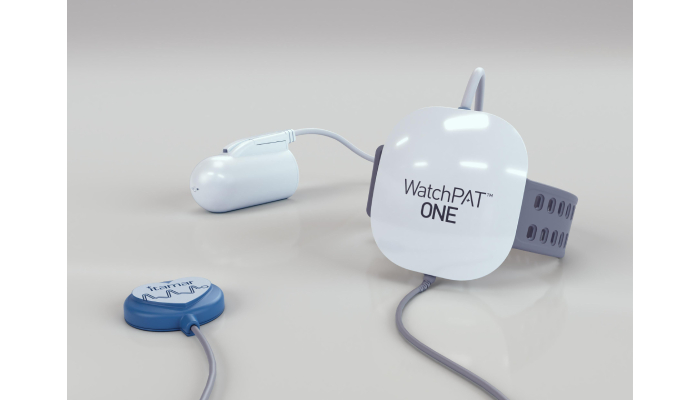
At home sleep apnea test (HSATs) are a groundbreaking solution for diagnosing obstructive sleep apnea (OSA) without the need for a night in a sleep lab. Imagine being able to monitor your sleep in the comfort of your own bed, where you feel most relaxed. HSATs utilize handy portable devices that track essential data like airflow, heart rate, and blood oxygen levels while you sleep. These tests typically involve wearing a few easy-to-apply sensors, making the process user-friendly and straightforward.
HSATs primarily focus on your breathing patterns and oxygen levels, which are critical indicators of sleep apnea. They are particularly effective for identifying moderate to severe cases of OSA. However, it’s important to note that they may not catch all types of sleep disorders, as they don’t measure brain activity or provide a complete analysis of sleep cycles. Most HSATs are approved by regulatory bodies, ensuring they meet safety and effectiveness standards.
Conducting an HSAT usually takes just one night, with the device collecting data within hours of you going to bed. Once completed, the results are analyzed and sent back to your healthcare provider for further recommendations. While HSATs are a valuable tool in the sleep health landscape, they cannot fully replace the comprehensive analysis provided by in-lab polysomnography.
Who Should Use At-Home Sleep Tests?
At-home sleep apnea tests (HSATs) are particularly beneficial for individuals who show symptoms of moderate to severe obstructive sleep apnea (OSA), such as loud snoring, episodes of gasping for air during sleep, and excessive daytime drowsiness. If you find yourself dozing off at work or feeling exhausted despite a full night’s sleep, HSATs could be a great option. However, it’s essential to consult with a healthcare provider first. Those with complex health issues or signs of central sleep apnea will likely require more detailed assessments in a sleep lab to ensure accurate diagnosis and treatment.
Individuals without significant comorbidities, like chronic respiratory conditions, are ideal candidates for HSATs. If you prefer the comfort of home over a clinical environment, you might find HSATs more appealing. They can also serve as a convenient solution for those living in remote areas, where access to sleep labs can be limited. Additionally, if you’ve previously undergone in-lab testing and are curious about alternative options, HSATs can provide a good starting point.
It’s crucial to be aware of your own symptoms and health history as they significantly impact whether HSAT is the right choice for you. By discussing your symptoms with a healthcare provider, you can better understand if an at-home test aligns with your health needs. While HSATs are an excellent tool for many, following up on the results with a professional is essential for ensuring a comprehensive understanding of your sleep health.
Benefits of Using At-Home Tests
At-home sleep apnea tests (HSATs) offer an exciting blend of convenience and practicality for those struggling with sleep issues. Imagine being able to conduct a sleep study in the comfort of your own bed, which can lead to more relaxed and natural sleep patterns. This is perhaps one of the biggest advantages of HSATs. They typically cost between $100 and $500, a fraction of the $3,000 you’d spend on traditional in-lab studies. This affordability means more people can access the testing they need without breaking the bank.
Another significant benefit is the improved accessibility. With HSATs, healthcare providers can easily order tests, cutting down on long wait times for lab appointments. Plus, the simplicity of the devices allows for self-administration, so patients don’t need to rely on sleep technologists to oversee the process. This can ease anxiety and contribute to more reliable results.
The rapid turnaround time for results is also noteworthy. Patients can receive their findings quickly, leading to faster diagnosis and treatment. This timely intervention can be crucial, especially for those facing severe sleep apnea symptoms. HSATs can identify patterns that warrant further investigation, promoting proactive healthcare management.
Additionally, using HSATs can alleviate the burden on sleep labs, allowing them to focus on more complex cases. For many individuals, these tests pave the way for early detection of sleep apnea, leading to timely treatment and a better quality of life. Research shows HSATs correlate well with in-lab testing for many patients, making them a reliable alternative for diagnosis.
Challenges with Home Sleep Testing
One of the main challenges with at-home sleep apnea tests (HSATs) is their potential for inaccuracies. These tests can miss some sleep disorders that more comprehensive monitoring would catch. For instance, HSATs do not monitor brain activity, which means milder cases of sleep apnea or other sleep issues might go undetected. Technical issues, such as device malfunctions or sensor displacements, can also lead to incomplete or unreliable data during testing. Patients may struggle with applying the sensors or find the devices uncomfortable, both of which can impact their sleep quality and the accuracy of the results.
Inadequate data collection can result in false negatives, meaning a patient may have sleep apnea, but the HSAT fails to detect it. This is particularly concerning for patients at higher risk of central sleep apnea, who may not be suitable candidates for HSATs and need deeper evaluations. Furthermore, the absence of direct supervision can result in misinterpretation of the data, as patients might not know how to use the equipment correctly or interpret the results accurately.
Insurance coverage for HSATs can vary, leading to unexpected costs for some patients, adding another layer of complexity to the process. Additionally, some individuals may feel uncertain about the reliability of results from a home test compared to an in-lab study. This uncertainty may lead patients to rely solely on HSAT results without pursuing further professional evaluation, especially if symptoms persist.
- One challenge is the potential for inaccuracies, as HSATs may miss some sleep disorders that require more comprehensive monitoring.
- Without the ability to monitor brain activity, HSATs may overlook milder cases of sleep apnea or other sleep issues that could be present.
- Technical issues, such as device malfunctions or sensor displacements, can lead to incomplete or unreliable data collection during the test.
- Some patients may struggle with the application of sensors or may find the devices uncomfortable, impacting their sleep quality.
- Inadequate data collection can result in false negatives, where a patient may have sleep apnea but the HSAT fails to detect it.
- Patients with a higher risk of central sleep apnea may not be suitable candidates for HSATs, necessitating more in-depth evaluation.
- The lack of direct supervision can lead to misinterpretation of data, as patients may not know how to correctly use the equipment or interpret results.
- Insurance coverage for HSATs can vary, leading to unexpected costs for some patients.
- Patients may feel uncertain about the reliability of results from a home test compared to an in-lab study.
- There is a risk that patients might rely solely on HSAT results without seeking further professional evaluation when symptoms persist.
Advice from Healthcare Professionals
Healthcare professionals are increasingly recommending at-home sleep apnea tests (HSATs) as a preliminary step for patients who show typical symptoms of obstructive sleep apnea (OSA). These tests can provide valuable insights into a patient’s condition, but they are not a definitive solution. If the results of an HSAT are inconclusive, providers usually advocate for a follow-up with an in-lab polysomnography to gain a more comprehensive understanding of the patient’s sleep patterns. Moreover, if a patient continues to experience symptoms despite undergoing an HSAT, it’s crucial to seek further evaluation to rule out other potential health issues or more complex sleep disorders.
Healthcare providers emphasize the importance of discussing HSAT results in detail. This conversation helps patients understand the implications for their treatment and the next steps they should take. It’s essential for patients to be aware of the limitations of HSATs, as they may not capture all the nuances of sleep disorders. Ongoing monitoring of symptoms is vital, and collaboration between patients and healthcare providers is key to determining the best course of action following HSAT results.
Providers can assist patients in interpreting their findings, offering guidance on whether lifestyle changes or additional testing might be necessary for effective management. Patients should also keep their health history in mind when considering HSATs, as this can influence the interpretation of results. Regular follow-up appointments are important to track treatment progress and make any necessary adjustments based on HSAT outcomes. Ultimately, while HSATs serve as a useful tool, they should complement, rather than replace, a thorough clinical evaluation in certain cases.
Patient Comfort and Experience
Many patients find that taking a sleep test at home is a lot more comfortable than in a clinical setting. This comfort can lead to better sleep quality, which is crucial for accurate test results. When patients sleep in their own beds, they can stick to their regular routines, making it easier to fall asleep and stay asleep. The privacy of home can also ease anxiety, allowing patients to rest without the stress that sometimes comes with being in a doctor’s office or sleep lab.
However, not everyone feels completely at ease with at-home sleep apnea tests. Some individuals may struggle with the equipment, finding it cumbersome or intrusive. This discomfort can disrupt their ability to sleep well during the test. Additionally, concerns about applying the sensors correctly can create doubts about the accuracy of the results. Without a sleep technologist on hand to assist, some patients may feel unsupported, particularly if they run into issues or have questions during the testing period.
That said, positive experiences with at-home tests can empower patients to take control of their sleep health. When they feel comfortable and supported, they are more likely to engage proactively with their treatment. Feedback from patients is valuable, as it can lead to improvements in the design and usability of these home testing devices, making them more user-friendly. Understanding patient experiences is key for healthcare providers to offer better support and education around HSATs.
Final Thoughts on Home Testing vs Doctor Visits
At-home sleep apnea tests (HSATs) can be a game changer for many when it comes to diagnosing obstructive sleep apnea (OSA). They offer convenience and accessibility, allowing patients to test in the comfort of their own homes. However, it’s crucial to remember that HSATs are not a one-size-fits-all solution. For individuals with complex medical histories or those who continue to experience symptoms after an HSAT, a follow-up with healthcare professionals is essential. A hybrid approach, where HSATs complement professional evaluations, often leads to the best outcomes. This collaborative effort ensures that any nuances in a patient’s condition are thoroughly examined, paving the way for effective treatment plans. Continuous dialogue between patients and their physicians is vital, as it helps to determine the best diagnostic route tailored to individual needs. While HSATs can increase awareness and prompt more people to seek help for sleep issues, education about their limitations is equally important. Comprehensive assessments in clinical settings still hold great value, as they capture a broader range of sleep metrics, including sleep architecture. As research continues to evolve the role of HSATs in sleep medicine, it’s clear that the path to diagnosing and treating sleep apnea will vary from person to person, emphasizing the importance of personalized care.
Frequently Asked Questions
Is an at-home sleep apnea test as accurate as a doctor visit?
At-home sleep apnea tests can be reliable, but they may not be as thorough as tests done in a sleep lab. They mainly measure basic things like breathing and heart rate.
Can I trust the results of my at-home sleep apnea test?
Yes, but it’s important to discuss your results with a healthcare professional to understand what they mean and if any further tests are needed.
How do I know if I need an at-home sleep apnea test instead of seeing a doctor?
If you have symptoms like loud snoring or daytime sleepiness, an at-home test might be a good start. However, talking to a doctor first is always a smart move.
What happens if my at-home test shows I have sleep apnea?
If your test results suggest sleep apnea, your doctor may recommend treatment options, which could include lifestyle changes, devices to help you breathe at night, or further testing.
Are there any risks to doing an at-home sleep apnea test?
There are generally low risks, but if you miss severe symptoms or have other health issues, it might not fully address your needs. Always consult with a doctor for guidance.