
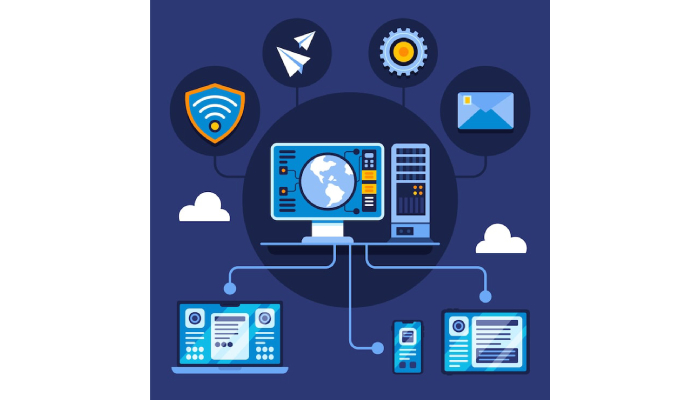
Remote proctoring tests are revolutionizing the way we view examinations. Did you know that there are various methods used in remote proctoring, like live monitoring by a human and automated systems powered by AI? This versatility helps maintain exam integrity in a way that suits educational institutions. Additionally, identity verification is crucial; test-takers often must show their face against an ID and answer security questions to prevent impersonation. Notably, many remote proctoring solutions cater to students’ diverse needs, including those with disabilities. Most impressively, as technology advances, remote proctoring continuously adapts to ensure exam integrity in this AI-driven age.
1. Diverse Proctoring Methods Explained
Remote proctoring test has taken the exam world by storm, offering various methods to ensure test integrity. Live proctoring is one of the most engaging options, where trained professionals monitor students in real-time, ready to step in if any suspicious behavior arises. Picture this: a proctor watching your every move, ensuring fairness while you tackle your exam, creating a unique blend of support and scrutiny.
On the flip side, automated proctoring relies on cutting-edge algorithms to flag unusual behaviors during tests. This technology can analyze patterns, such as a student looking away from the screen too often or communicating with others. It’s fascinating how AI can enhance security and streamline the testing process.
Some institutions even use hybrid models that incorporate both live and automated methods, offering a comprehensive approach to proctoring. This flexibility allows schools to choose a method that fits their specific needs and budgets, whether it’s a high-stakes exam or a casual quiz.
Moreover, many proctoring solutions incorporate screen recording to capture test-takers’ activities, adding another layer of accountability. This ensures that every click and scroll is monitored, reinforcing the integrity of the assessment.
The adaptability of these methods is impressive, accommodating various types of assessments, from multiple-choice questions to elaborate essays. Different platforms boast unique features, with some offering user-friendly interfaces or enhanced security options tailored for specific exam formats. The choice of proctoring method can significantly shape the exam experience, influencing not just performance but also the comfort level of students. As technology evolves, we can expect even more innovative solutions that will redefine how assessments are conducted, making remote proctoring an exciting field to watch.
- Remote proctoring involves various techniques, such as live proctoring and automated proctoring.
- Live proctoring features real-time monitoring by trained professionals, ensuring immediate intervention if needed.
- Automated proctoring uses advanced algorithms to detect unusual behavior during exams.
- Hybrid models combine both live and automated methods for a comprehensive approach.
- Institutions can choose proctoring methods based on their specific requirements and budget.
- Some proctoring solutions utilize screen recording to capture the test-taker’s activity during the exam.
- Proctoring methods are adaptable, accommodating different types of assessments, from multiple-choice to essays.
- Different platforms offer distinct features; some may have better user interfaces or additional security options.
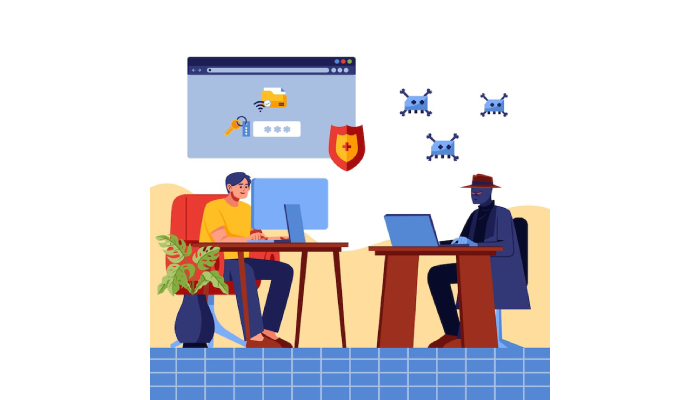
2. Identity Verification Techniques in Remote Testing
Identity verification is a cornerstone of remote proctoring, ensuring that the right individual is taking the exam. One of the most common methods involves facial recognition technology, which compares the test-taker’s live image to a valid photo ID displayed on their webcam. This process is often coupled with personalized security questions to further confirm identity, utilizing information that is publicly accessible. Multi-factor authentication adds another layer of security by combining the ID verification with passwords or other data, making it much harder for impersonators to slip through.
Real-time monitoring is also pivotal, allowing proctors to ensure the test-taker’s identity is consistently verified throughout the exam. In some cases, students may be required to provide additional forms of ID if any discrepancies arise during the verification process. Emerging biometric measures, such as fingerprint scanning, are being explored for even more robust security, promising a future where identity verification could be as seamless as a touch.
However, the implementation of these technologies must be balanced with data privacy regulations, protecting students’ personal information during the verification process. Moreover, different regions may have varying legal requirements for identity verification, adding complexity to the approach. Fortunately, technological advancements are paving the way for more accurate and efficient identity verification methods, ensuring that the integrity of online assessments remains intact.
3. Adaptability and Accessibility for All Students
Remote proctoring systems are transforming the way students take exams by prioritizing adaptability and accessibility. These platforms are designed to meet the diverse needs of students, including those with disabilities. For instance, many systems incorporate accessibility features like screen readers and adjustable time limits, ensuring that every student can participate fairly.
Moreover, remote proctoring addresses technological disparities by offering alternative methods for students who may lack reliable internet or working webcams. This commitment to inclusivity helps create a more equitable testing environment. Flexible scheduling options also reduce stress, allowing students to choose exam times that fit their individual circumstances.
Additionally, many proctoring systems provide multilingual support, making it easier for non-native English speakers to navigate exams without language barriers. The adaptability of these systems extends to adjusting protocols based on the subject matter or course requirements, ensuring fair assessments for all learners.
For students who often feel anxious in traditional testing settings, remote proctoring can offer a more comfortable and safe environment. As technology continues to evolve, these systems are becoming increasingly user-friendly, making remote testing a viable option for every student.
4. Impact on Instructor Workload with Automation
Automation in remote proctoring is a game-changer for educators. By reducing the time instructors spend monitoring exams, this technology allows them to reclaim valuable hours. With automated flagging systems, instructors can quickly identify potential cheating incidents without the need for constant oversight. This efficiency means teachers can dedicate more time to preparing engaging lessons and interacting with students, rather than getting bogged down by administrative tasks.
Moreover, automated systems streamline the grading process, providing instant results for students, which can enhance the learning experience. Instructors also benefit from detailed analytics on test performance, helping them understand student challenges and adjust their teaching methods accordingly. The time saved from monitoring exams can be redirected toward offering personalized feedback and support to students.
Additionally, remote proctoring solutions often generate reports that highlight trends in student performance across different assessments. This information can be invaluable for educators looking to improve course content and delivery methods. With less time spent on proctoring, instructors may find a better work-life balance, allowing them to focus on what truly matters: their students. Automation also helps ensure consistency in proctoring standards across various classes and subjects, creating a fair testing environment for all.
5. The Future of Exam Integrity in the AI Era
AI technology is transforming remote proctoring tests by enhancing exam integrity in ways we never imagined. New tools are emerging that can not only detect cheating but also collusion among test-takers, making it harder for students to game the system. For instance, AI-driven solutions analyze behavior patterns during exams, identifying anomalies that could signal dishonesty. Features like Smart Voice Detection are on the rise, which help prevent students from receiving any outside help while they are testing.
In real-time, AI can assist proctors by enabling swift decision-making when suspicious activity is detected. This ongoing integration of machine learning algorithms is crucial, as it improves the accuracy of proctoring systems, learning from past data to better identify potential issues. Furthermore, advancements in video analysis technology significantly enhance the detection of unauthorized materials, which is vital in maintaining a fair testing environment.
Looking ahead, we might see remote proctoring solutions incorporate virtual reality elements, creating immersive testing experiences that could revolutionize how exams are conducted. However, with these advancements comes a growing emphasis on ethical AI practices to ensure that fairness and transparency remain at the forefront. As technology evolves, educational institutions must stay ahead of new cheating methods, continuously adapting their proctoring strategies to uphold the integrity of exams.
Frequently Asked Questions
What kind of technology do I need for a remote proctoring test?
To take a remote proctoring test, you usually need a computer, a stable internet connection, a webcam, and a microphone. Some tests may have specific software requirements, so it’s good to check beforehand.
Can my proctor see or hear me during the test?
Yes, during the test, the proctor can see and hear you through your webcam and microphone. This helps them ensure that you are following the rules and not getting any outside help.
What happens if I have technical issues during the test?
If you run into technical problems, you should notify your proctor immediately. They can guide you on how to troubleshoot or reschedule your test if needed, so don’t panic.
Do I have to be on camera the whole time while taking the test?
Yes, typically, you are required to be on camera for the entire duration of the test. This helps maintain the integrity of the testing process.
Are there any restrictions on what I can have around me during the test?
Yes, there are usually strict rules about what you can have in your testing area. You may be instructed to remove any items that could be used for cheating, like notes or electronic devices, so make sure to check the guidelines.