
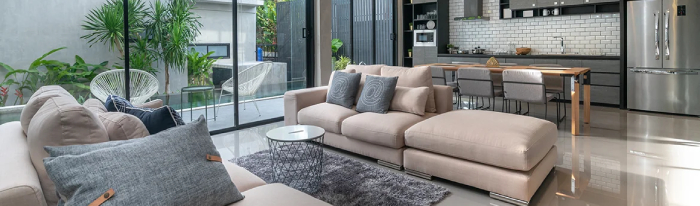
Cleaning used living room furniture in Washington DC can be both fun and rewarding. Start by assessing the available labels for cleaning codes to guide your method. On a sunny day, take your furniture outside to allow natural sunlight to deodorize and disinfect. A thorough vacuuming using an upholstery attachment will help remove dust and allergens. For odors, sprinkle baking soda and let it work its magic before vacuuming it up. Spot treat stains with a warm water, vinegar, and mild soap mixture for best results. Lastly, consider steam cleaning for a deep clean or use enzyme cleaners for stubborn spots, your furniture will thank you.
1. Air It Out: Natural Odor Removal
Choose a sunny and breezy day to air out your used living room furniture in Washington DC, as this will yield the best results. Position your furniture in direct sunlight, allowing those natural UV rays to work their magic by killing bacteria and reducing odors. Make sure to rotate the furniture every hour for even air exposure, ensuring every nook and cranny gets a chance to breathe. However, if you have leather pieces, be cautious: avoid prolonged direct sunlight to prevent drying or cracking.
Before setting your furniture outside, ensure the area is clean to prevent dirt from re-adhering during this airing process. Open the windows for additional airflow and natural ventilation throughout the space. If you’re indoors, using a fan can help circulate air around the furniture, making the process even more effective. For an added touch, consider placing a diffuser with essential oils nearby to enhance the air quality, creating a fresh and inviting atmosphere.
Keep an eye on the weather and monitor the time your furniture spends outside, as unexpected rain or strong winds could lead to damage. With proper care, this natural odor removal method can leave your used furniture smelling fresh and ready for use.

2. Spot Cleaning: Tackling Stains Effectively
Acting quickly is crucial when it comes to tackling stains on your used living room furniture. The sooner you address a spill, the better your chances of removing it completely. Start by gently blotting the stain with a clean cloth, avoid rubbing, as this can push the stain deeper into the fabric. For most stains, a simple mixture of warm water, white vinegar, and mild soap works wonders. Just remember to test this solution on a hidden area first to ensure it won’t discolor the fabric.
When cleaning, use a damp cloth instead of saturating the fabric, which can lead to water rings. For greasy stains, sprinkle a little cornstarch on the area to absorb the grease before applying your cleaner. After you’ve treated the stain, rinse the area with a damp cloth to remove any cleaning residue. Finally, dry the area with a clean towel; this step is important to prevent any lingering moisture from causing damage. If you encounter a tough or large stain that won’t budge, don’t hesitate to consider professional cleaning services for the best results.
3. Disinfecting for a Germ-Free Home
To create a truly welcoming and healthy living space, disinfecting your used furniture is key. Start by selecting disinfectant sprays or wipes that are safe for fabrics, ensuring that you follow the product instructions for maximum effectiveness. Pay special attention to high-touch areas like armrests and handles, as these spots harbor the most germs. Remember to let the disinfectants sit for the recommended time before wiping them away, allowing the solution to do its job effectively. While disinfecting, keep pets and children away from treated surfaces until they are fully dry, ensuring their safety. Opt for fabric-safe disinfectants that are proven to kill bacteria and viruses, providing peace of mind in your clean home. Always ventilate the area while disinfecting to avoid inhaling any harmful fumes. A smart tip is to test the disinfectant on hidden areas first to check for any potential damage. Incorporating regular disinfecting into your cleaning routine will help maintain a healthier environment for you and your family.
4. Using Enzyme Cleaners for Tough Odors
When tackling tough odors in your used living room furniture, enzyme cleaners can be a game changer. These specialized cleaners are designed to break down the substances that cause unpleasant smells. First, ensure you choose an enzyme cleaner that targets the specific type of stain or odor you’re dealing with, such as pet urine or food spills. Always follow the instructions on the label carefully for the best results.
Apply the cleaner generously to the affected area and allow it to sit for the recommended time, as this is crucial for the enzymes to work their magic. Using a soft brush or cloth, gently work the cleaner into the fabric to ensure it penetrates deeply. Afterward, rinse the area thoroughly with a damp cloth to remove any residue, which will help prevent further staining.
For particularly stubborn pet urine stains, enzyme cleaners are highly effective, breaking down the odor-causing bacteria that conventional cleaners might miss. Remember, it’s wise to test the cleaner on a small, inconspicuous area first to ensure it won’t damage the material.
To maintain the effectiveness of your enzyme cleaners, store them in a cool, dry place, and consider using them regularly to keep persistent odors at bay. With these tips, you can keep your living room smelling fresh and inviting!
5. Steam Cleaning: Deep Clean Your Upholstery
Steam cleaning is an excellent way to give your upholstery a thorough deep clean. First, rent or purchase a steam cleaner that is specifically designed for upholstery. Before you start, check the fabric labels to ensure they are steam-cleaning safe. Once you have the right equipment, fill the machine with water according to the manufacturer’s instructions. As you clean, move the steam cleaner slowly across the fabric, allowing the steam to penetrate deeply for the best results. It’s also wise to use attachments made for upholstery to protect against any potential damage. For an even more effective clean, consider using a fabric-safe cleaner alongside the steam. After steam cleaning, let your furniture dry completely to prevent any dampness from setting in. Always test the cleaner on a small hidden area first to avoid any discoloration. Regular steam cleaning can significantly prolong the life of your furniture, keeping it looking fresh and vibrant.
6. Proper Drying Techniques After Cleaning
After you’ve cleaned your used living room furniture, drying it properly is crucial to prevent any unwanted mildew or odors. Start by using fans to help circulate air and speed up the drying process, especially for upholstered items. Placing your furniture in a well-ventilated area, away from direct heat sources like radiators or fireplaces, is also important; this helps maintain the integrity of the material while it dries. On a sunny, dry day, consider placing upholstered pieces outside to take advantage of the natural heat and UV rays, which can kill bacteria.
While drying, avoid using the furniture until it’s completely dry, this is key to preventing mildew growth. Regularly check for dampness during the drying process, and if you’re indoors, keep windows open to promote airflow. Remember not to cover wet surfaces with blankets or covers, as this traps moisture and can lead to unpleasant smells. Before drying, use absorbent towels to blot away excess moisture, and in particularly damp environments, a dehumidifier can help speed things up, ensuring your furniture is ready for use as soon as possible!
- Use fans to help dry upholstered items faster.
- Place furniture in a well-ventilated area away from direct heat sources.
- For upholstered items, consider placing them outside on a dry day.
- Avoid using furniture until completely dry to prevent mildew.
- Check for dampness regularly during the drying process.
- If indoor, keep windows open to promote airflow.
- Avoid covering wet surfaces with blankets or covers as this traps moisture.
- Use absorbent towels to blot excess moisture before drying.
- Consider using a dehumidifier in damp environments to speed up drying.
7. Cleaning Upholstered Furniture: Best Practices
Cleaning upholstered furniture can seem daunting, but with the right techniques, it can be a breeze. Always start by referring to the cleaning codes found on the fabric label. These codes indicate the best cleaning methods to use, ensuring you don’t damage the material. For most fabrics, a gentle upholstery cleaner works wonders, but be sure to select the right solution based on the fabric type.
Regular maintenance is key, so fluffing and rotating cushions helps maintain their shape and appearance. It’s crucial to avoid over-wetting fabrics, as this can lead to mold growth, especially in humid climates like Washington DC. If you have delicate fabrics, consider professional cleaning services to ensure they are treated properly.
While vacuuming, use a soft brush attachment to gently remove dust and debris without harming the fabric. Keeping your cleaning supplies organized can streamline the process, making it more efficient and less stressful. For larger items or intricately designed upholstery, don’t hesitate to hire professionals who have the right tools and expertise to get the job done right.
8. Caring for Wooden Furniture: Simple Solutions
Caring for your wooden furniture can be a breeze with a few simple steps. Regular dusting with a soft cloth helps keep surfaces scratch-free, so avoid rough materials that can cause damage. When it comes to shine, apply furniture polish sparingly; too much can lead to unsightly buildup that detracts from your furniture’s natural beauty. To protect against pesky water rings, always use coasters under drinks, especially during those humid days in Washington DC. Sunlight can fade and warp wood, so be mindful of where you place your pieces. To prevent scratches from everyday use, felt pads under objects can be a lifesaver.
If a spill happens, act fast! A damp cloth can help clean it up, but make sure to dry the area thoroughly to avoid moisture damage. For deeper cleaning, a mixture of mild soap and water works wonders, but remember to dry the surface right after to prevent warping. Consider using a wood conditioner every few months to maintain that gorgeous luster and prevent the wood from drying out. Don’t forget to check for loose joints or screws regularly; tightening them can significantly prolong the life of your furniture. Lastly, steer clear of harsh chemicals, as they can harm both the finish and the wood over time.
9. Maintaining Leather Furniture: Essential Tips
Leather furniture can add a touch of elegance to your living room, but it requires proper care to keep it looking its best. Start by dusting your leather pieces regularly with a soft, dry cloth to eliminate dust and maintain that fresh appearance. It’s crucial to avoid placing leather near heat sources, such as radiators or fireplaces, as this can dry out the material and lead to cracks. When it comes to cleaning, always use a leather cleaner specifically designed for your type of furniture, as this will safely remove dirt and stains without damaging the surface.
Conditioning is vital too, so make it a habit to apply a leather conditioner every 6 to 12 months. This helps maintain suppleness and prevents cracking over time. If you have spills, act quickly! Wipe them up immediately with a clean, dry cloth to prevent staining. For stubborn stains, always test a small hidden area with any cleaner first to ensure it won’t cause damage.
Be cautious with household cleaners or baby wipes, as they often contain ingredients that can harm leather. To protect against fading and drying, keep your leather furniture out of direct sunlight. If you notice scratches, a leather repair kit can be a handy tool for touch-ups. Finally, don’t forget to vacuum your leather furniture using a brush attachment. This helps remove debris from seams and crevices, keeping your furniture in top shape.
10. Tips to Keep Your Furniture Clean Longer
To keep your living room furniture looking fresh and clean, establish a regular cleaning schedule, dedicating time each week for maintenance. Using furniture covers or throws is a smart move to protect against dirt, spills, and pet hair. Implementing a no-shoes policy in your living space can significantly reduce the accumulation of dirt and dust. When entertaining guests, encourage them to use coasters and napkins to prevent spills and stains on your beloved furniture. It’s also helpful to keep cleaning supplies handy for quick clean-ups when accidents happen. Rotate cushions and pillows regularly to maintain their shape and prevent uneven wear. Limit the use of harsh chemicals, opting instead for natural cleaning solutions whenever possible. Promoting air circulation in the room can help reduce dust buildup and odors, making your space feel fresher. Consider investing in an air purifier to minimize dust and allergens in your living area. Lastly, stay proactive about addressing any issues, such as loose parts, before they escalate into bigger problems.
Frequently Asked Questions
What supplies do I need to clean used living room furniture?
To clean your used living room furniture, you’ll need basic supplies like a vacuum cleaner, microfiber cloths, mild soap or upholstery cleaner, a soft brush, and water. It’s great to have all these handy before you begin!
How do I remove stains from my used furniture?
To tackle stains, first identify the type of fabric. Treat the stain as soon as possible by blotting it gently with a damp cloth, using a fabric-safe cleaner if needed. For tougher stains, try a mixture of water and vinegar, testing in a hidden spot first.
Is it safe to use homemade cleaners on my furniture?
Yes, many homemade cleaners can be safe, especially those made from natural ingredients like vinegar and baking soda. However, always test any cleaner on a small, hidden area to make sure it doesn’t damage the fabric or finish.
How often should I clean my used living room furniture?
You should aim to clean your used furniture at least every few months, but it’s a good idea to give it a quick tidy-up every couple of weeks. This helps maintain its look and extends its life!
Can I hire professionals to clean my used furniture, and why might I want to?
Absolutely! Hiring professionals can be a fantastic choice if you want deep cleaning, especially for delicate or heavily stained pieces. They have specialized tools and products that can restore your furniture beautifully.