
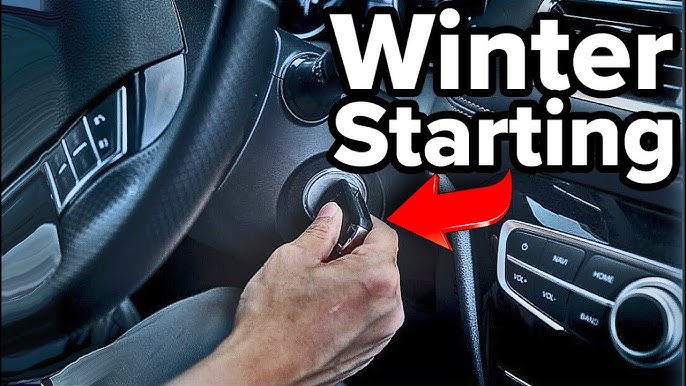
When temperatures drop, many drivers face the frustrating issue of a car that won’t start. Cold weather can affect your vehicle’s battery, fuel system, and other critical components, leaving you stranded and stressed. However, understanding the common causes of cold-weather starting problems and how to address them can save you time and money.
This article covers practical steps you can take to diagnose and fix a car that won’t start in cold weather, ensuring you’re prepared when winter arrives. Plus, we’ll touch on How to Winterize Your Car for Snow Season to prevent these issues from happening in the first place.
Why Does Cold Weather Affect Car Starting?
Cold temperatures make it harder for your car’s engine to turn over and start because:
-
Battery power drops: Cold reduces a battery’s chemical reactions, lowering its ability to deliver sufficient power.
-
Engine oil thickens: Thick oil makes the engine harder to crank.
-
Fuel can be compromised: Gasoline doesn’t vaporize as easily in cold weather, causing difficulties in ignition.
-
Electrical connections freeze or corrode: Cold can impact wiring and sensors.
-
Moisture can freeze in the fuel lines or other parts, blocking fuel flow.
Knowing these factors helps you troubleshoot and fix the problem effectively.
Common Causes of a Car Not Starting in Cold Weather
| Cause | Symptoms | How to Fix |
|---|---|---|
| Weak or Dead Battery | Engine cranks slowly or not at all | Jump-start, recharge, or replace battery |
| Thick Engine Oil | Engine struggles to turn over | Use winter-grade oil, change oil regularly |
| Frozen Fuel Lines | Engine turns but won’t start | Use fuel additives, keep fuel tank full |
| Faulty Starter Motor | Clicking sound, no engine turnover | Repair or replace starter |
| Ignition System Issues | No spark, engine won’t fire | Check spark plugs, ignition coil, wiring |
Step-by-Step Guide: How to Fix a Car That Won’t Start in Cold Weather
1. Check the Battery
Your battery is the most common culprit during winter. Start by checking if the engine cranks when you turn the key.
-
If the cranking is slow or nonexistent, try jump-starting your car using jumper cables and another vehicle.
-
If the jump-start works, your battery may need charging or replacement.
-
Use a multimeter to test battery voltage; it should read around 12.6 volts when fully charged.
-
Batteries older than 3-5 years are more prone to failure in cold weather.
2. Inspect and Replace Engine Oil
Thick or old engine oil makes it harder for the engine to turn over in cold weather.
-
Use a winter-grade synthetic oil designed for low temperatures.
-
Check your owner’s manual for the recommended oil viscosity for winter.
-
Regular oil changes improve engine performance and start-up reliability.
3. Fuel System Care
Fuel lines can freeze or become clogged.
-
Keep your fuel tank at least half full to reduce condensation.
-
Use fuel additives or anti-gel treatments that prevent freezing.
-
If you suspect frozen fuel lines, try warming the area or park the car in a warmer place.
4. Examine the Starter and Ignition System
-
Listen for clicking or grinding noises when trying to start.
-
Faulty starter motors or ignition components can prevent the engine from firing.
-
Check spark plugs and ignition coils for wear or corrosion.
-
Replace damaged parts as needed.
5. Check for Electrical Issues
Cold can cause wiring to become brittle or connectors to corrode.
-
Inspect battery terminals and clean any corrosion.
-
Check all cables and connections for damage or looseness.
-
Use dielectric grease to protect connections.
Additional Tips to Prevent Starting Problems
-
Warm up your car briefly before driving, but avoid long idling.
-
Use a block heater in extremely cold climates to keep the engine warm.
-
Park your vehicle in a garage or sheltered area if possible.
-
Avoid short trips during cold spells as they don’t allow the engine to reach optimal temperature.
How to Winterize Your Car for Snow Season
One of the best ways to avoid cold-weather starting problems is to properly prepare your vehicle ahead of time. Here are key winterization steps:
| Winterizing Task | Description |
|---|---|
| Battery Check and Replacement | Test and replace weak batteries |
| Oil Change to Winter Grade | Use oil suitable for cold temperatures |
| Inspect Tires | Use winter tires or chains for traction |
| Check Coolant and Antifreeze | Ensure proper levels and mix ratio |
| Top Off Washer Fluid | Use winter formula to prevent freezing |
| Examine Wiper Blades | Replace worn blades for clear visibility |
| Protect Fuel System | Add fuel stabilizer and keep tank full |
Winterizing your car not only prevents starting issues but also improves safety and performance throughout the snowy season.
FAQs
Why won’t my car start but the lights come on?
This usually indicates a weak battery or a problem with the starter motor. The battery may have enough power for lights but not enough to crank the engine.
Can thick engine oil cause my car not to start?
Yes, especially in very cold weather. Thick oil makes the engine harder to turn over. Using the correct winter-grade oil helps prevent this.
How long should I crank my car in cold weather?
Try to crank the engine for no more than 10-15 seconds. If it doesn’t start, wait 30 seconds before trying again to avoid overheating the starter.
Can fuel additives help prevent starting issues?
Yes, additives designed for cold weather can prevent fuel line freezing and improve combustion.
Is it okay to use a block heater?
Yes, block heaters are highly effective for pre-warming the engine in extremely cold climates, making starting easier.
Final Thoughts
A car that won’t start in cold weather can be frustrating, but many causes are preventable or easily fixable with the right knowledge and preparation. Regular maintenance, proper winterization, and understanding your vehicle’s needs during cold months are key.
By following this guide, you can troubleshoot starting issues quickly and ensure your car is winter-ready. Don’t forget to plan ahead and review tips on How to Winterize Your Car for Snow Season to avoid last-minute emergencies and enjoy safe driving all winter long.