
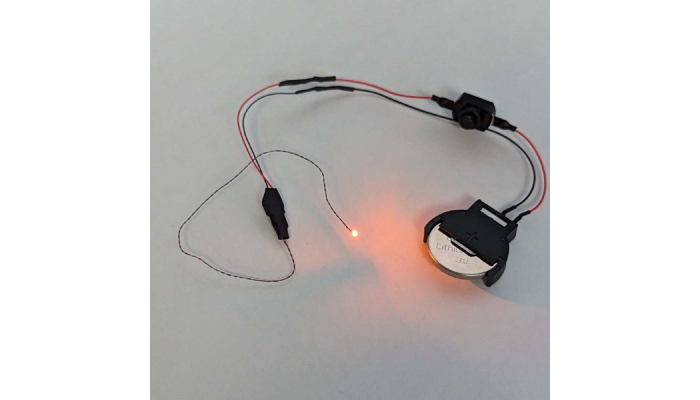
Artists are increasingly switching to LED art lights for many reasons that enhance both their creativity and the safety of their work. Firstly, LEDs consume up to 90% less power than traditional bulbs, drastically cutting energy bills. They last much longer too, which means fewer replacements and less maintenance overall. Additionally, LEDs provide exceptional color accuracy with high Color Rendering Index values, ensuring artworks appear just as they were intended. Safety is also critical; LEDs emit significantly less heat and no UV rays that can damage sensitive pieces. With programmability options and versatility in design, LED lighting opens doors to immersive art experiences while being environmentally friendly, a win-win for artists everywhere.
1. Energy Efficiency of LED Art Lights
LED art light are becoming the go-to choice for artists, and one of the biggest reasons is their impressive energy efficiency. Compared to traditional incandescent bulbs, LEDs use up to 90% less power, which translates into significantly lower electricity bills. Imagine having a bright, vivid lighting solution that doesn’t break the bank! Plus, with a lifespan of up to 25 times longer than conventional bulbs, artists not only save money on replacements but also contribute to reducing waste over time.
The versatility of LEDs is another major advantage. They come in various wattages, allowing artists to find the perfect lighting for their unique setups without sacrificing efficiency. To top it off, many utility companies offer rebates for making the switch to LED lighting, making it even more financially appealing.
As LED technology continues to develop, each new generation becomes more energy-efficient. This decline in energy consumption not only helps reduce peak demand on power grids but also contributes to a decrease in greenhouse gas emissions linked to electricity generation. Moreover, using LED lights can enhance energy ratings and certifications for buildings, such as LEED, showcasing a commitment to sustainability.
In a world increasingly focused on green solutions, LEDs can be utilized in solar-powered applications, promoting energy independence. The shift towards energy-efficient lighting is not just a trend; it’s an investment in the future, potentially increasing property value by showcasing energy-efficient upgrades.
2. Superior Quality of Light with LEDs
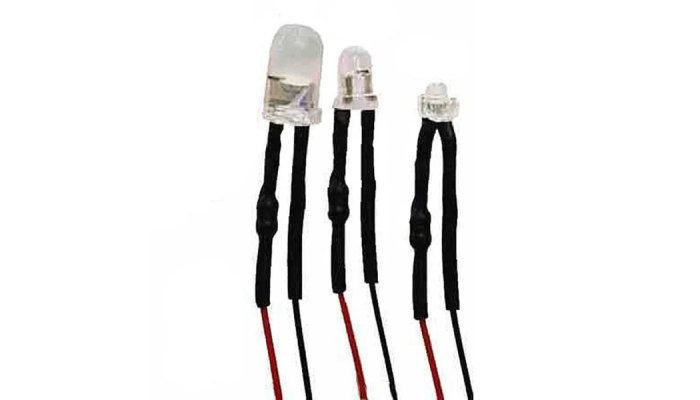
LEDs provide an incredible full spectrum of color options, empowering artists to pick specific tones that enhance their work. With the ability to adjust color temperatures, they can create varied atmospheres that suit different pieces, whether it’s a warm glow for an intimate painting or a cooler light for a contemporary sculpture. The flicker-free operation of LEDs ensures a steady light output, which enhances visual comfort for viewers, allowing them to appreciate the artwork without distraction. Furthermore, artists can dim LEDs without any color distortion, giving them precise control over their lighting environment.
Combining different LED fixtures can lead to dynamic lighting scenes that transform art displays, making each exhibition feel fresh and engaging. The focused light produced by LEDs enables artists to highlight specific features of their work effectively, drawing attention to intricate details that might otherwise go unnoticed. Unlike traditional bulbs, LEDs maintain their quality over time, ensuring consistent performance without degradation.
Innovative LED designs can even mimic natural light, which is perfect for showcasing artwork in its true form. Color accuracy is crucial in the art world, and LEDs excel in this area with high CRI values, ensuring that colors appear vibrant and true to life. Artists can also experiment with colored LEDs to create unique visual effects, changing the perception of their art in exciting ways. This superior quality of light is a game-changer for artists, enabling them to push creative boundaries and connect with their audiences like never before.
3. Safety Benefits for Artwork Preservation
LED art lights offer remarkable safety benefits that are essential for preserving valuable artworks. One of the standout features of LEDs is their low heat output, which significantly reduces the risk of thermal damage to sensitive materials such as canvas and paper. Traditional bulbs often emit excessive heat that can harm delicate pieces, but with LEDs, artists can confidently display their work without fear of overheating.
Additionally, LEDs do not emit UV light, which is known to cause fading and discoloration in pigments over time. This preservation aspect allows museums to showcase light-sensitive artworks for longer periods, ensuring that cultural heritage is maintained for generations. Museums have reported longer lifespans for exhibits illuminated by LEDs, further emphasizing their role in protecting art.
Controlled light levels provided by LED systems also minimize the risk of light-induced damage, especially for artworks on display for extended durations. The flexibility of LED lighting allows curators to tailor the illumination to meet the specific needs of different pieces, effectively optimizing preservation. Furthermore, the absence of harmful emissions from LEDs contributes to a safer, healthier environment for both the artwork and its viewers. Regular monitoring of light levels is easily managed with LED systems, ensuring ongoing protection. Overall, the advantages of LEDs in creating a safe and protective environment for artworks cannot be overstated.
- The low heat output of LEDs minimizes the risk of thermal damage to sensitive materials like canvas and paper.
- LEDs help in preserving delicate pigments, as the absence of UV light prevents fading and discoloration.
- Many museums report longer lifespans for exhibits illuminated by LEDs, preserving cultural heritage effectively.
- Controlled light levels reduce the risk of light-induced damage to artworks, especially for those on display for long periods.
- Use of LEDs in galleries allows for safer environments since they reduce fire hazards associated with high-heat bulbs.
- Museums can now display light-sensitive artworks for longer durations without the fear of degradation.
- LED lighting can be tailored to meet the specific needs of different artworks, ensuring optimal preservation.
- The absence of harmful emissions from LEDs contributes to a safer, healthier environment for both artwork and viewers.
- LEDs can be utilized in conservation efforts, aiding in the study of artworks without causing harm.
- Regular monitoring of light levels can be easily managed with LED systems, ensuring ongoing protection for artworks.
4. Programmability and Flexibility of LED Lighting
LED lighting has brought a revolution in the way artists approach their work, offering them incredible programmability and flexibility. Advanced LED systems enable real-time adjustments based on viewer interaction, transforming static displays into dynamic experiences. Imagine an art installation where the lighting shifts in response to the movement of the audience, creating an immersive environment that engages all senses. Artists can now sync LED lights with sound and motion, crafting multi-sensory experiences that pull viewers deeper into their narratives. This programmability allows for storytelling through lighting changes, enhancing the emotional impact of each piece.
Moreover, remote control capabilities make it easy for artists to adjust lighting from a distance during exhibitions, ensuring the perfect ambiance without disrupting the flow of the event. Integration with smart technology allows for automated lighting schedules based on time or occupancy, adding another layer of convenience. The versatility of LED installations means artists can easily reconfigure their exhibits without needing major overhauls, making it simpler to adapt to different spaces or themes.
Collaboration with lighting designers has become commonplace, enabling the creation of bespoke lighting solutions that reflect an artist’s unique vision. Dynamic light shows can be choreographed with music or events, captivating audiences and offering a multi-dimensional experience. From LED strips to panels, these tools challenge traditional art forms and open up new avenues for creativity, allowing artists to craft unique installations that resonate on deeper levels. The ability to change colors and intensities further empowers artists to set distinct moods throughout an exhibition, making each moment an opportunity for discovery.
5. Environmental Benefits of Using LEDs
Switching to LED art lights is not just a smart move for artists, it’s a significant win for the environment too. By using LEDs, artists can dramatically cut down on energy consumption, which helps lower their overall carbon footprint. This is especially important in a world where every effort counts in the fight against climate change. Moreover, LEDs boast an impressive lifespan, lasting up to 25 times longer than traditional bulbs. This longevity means fewer bulbs end up in landfills, reducing waste and benefiting the environment.
Another key aspect is that LEDs are 100% recyclable, making them a responsible choice for lighting needs. Unlike many traditional light sources, LEDs are produced with fewer toxic materials, promoting safer manufacturing processes. By choosing LEDs, artists also reduce the demand for energy derived from fossil fuels, paving the way for cleaner energy sources. As LED technology continues to improve, it leads to even more sustainable options, further enhancing their appeal.
On a practical level, lower energy bills from using LEDs can free up funds that artists can redirect towards other eco-friendly initiatives. For businesses, replacing older lighting systems with LEDs not only enhances sustainability but also boosts their image in the community. The presence of LEDs in public spaces raises awareness about energy efficiency and sustainability, inspiring others to adopt greener practices. This ripple effect can motivate fellow artists and institutions to consider eco-friendly methods in their own work, creating a culture of sustainability in the art world.
6. Cultural Impact of LED Art Installations
LEDs have revolutionized public art, turning installations into vibrant, visually captivating experiences that draw in audiences. Their affordability empowers artists to experiment with larger works, fostering new heights of artistic expression. The interactivity that LED installations offer encourages audience participation, creating shared moments that resonate within communities. Moreover, LEDs can adapt to environmental changes, forging a deeper connection between art and nature. The surge of light festivals fueled by LED technology has become a cultural phenomenon, attracting crowds and enhancing community ties. Artists can now align their works with various cultural themes, making them relevant to different contexts and celebrations. Public installations using LEDs can shift cultural narratives by addressing contemporary issues through innovative light designs. This technology allows artists to push boundaries and challenge traditional art concepts, nurturing a culture of innovation. Additionally, the integration of LED technology in art bridges the gap between creativity and technology, inspiring future generations of artists. Cultural institutions are also embracing LEDs, crafting unforgettable experiences that resonate with diverse audiences, further solidifying the cultural impact of LED art installations.
7. Practical Applications in Museums
Museums are embracing LED art lights for a variety of practical applications that enhance both the artwork and the visitor experience. One significant advantage is the ability to tailor lighting to specific exhibits, ensuring every piece is showcased at its best. This flexibility allows curators to create controlled lighting environments that protect sensitive artworks while enhancing their visual appeal. For traveling exhibitions, LEDs offer portable lighting solutions that can be easily adapted, making setup quick and efficient.
The technology behind modern LED systems also enables precise adjustments of lighting levels across different gallery spaces, optimizing the viewing experience. With smart lighting systems, museums can monitor and adjust lighting according to environmental conditions, ensuring artworks are well protected from potential damage. Additionally, LEDs can be integrated into interactive displays, creating a more engaging experience for visitors.
Another remarkable benefit is the reduced heat and UV emissions from LEDs, which help maintain optimal humidity and temperature levels in exhibition spaces. This preservation aspect is crucial for the longevity of the artworks. Museums can also utilize color-changing LEDs to create thematic lighting that enhances storytelling in exhibitions, making them more immersive. By adopting LED technology, museums not only save on operational costs but also redirect funds towards educational programs and curatorial efforts, fostering a richer cultural engagement. Moreover, collaboration between artists and museum curators can lead to innovative uses of LED technology for special exhibitions, resulting in unique and thought-provoking displays.
8. Market Trends in LED Adoption
The rapid growth of LED technology is reshaping the lighting landscape, leading to fierce competition that drives innovation. Governments are playing a crucial role by implementing regulations and offering incentives to encourage the switch to energy-efficient lighting solutions. Retailers are responding to this demand by stocking more LED products, making them readily available for consumers and artists alike. Public funding and grants are increasingly supporting art projects that embrace sustainable technologies like LEDs, fostering creativity and new artistic expressions.
As consumer awareness of energy efficiency grows, it influences purchasing decisions, further propelling market trends toward LED adoption. The integration of smart technology with LEDs presents exciting opportunities for growth, allowing for dynamic and customizable lighting solutions. In new constructions and renovations, LEDs are becoming the standard, signaling a significant shift in industry norms.
Ongoing research and development continue to enhance LED performance while reducing costs, making them an even more attractive option. As artists and institutions adopt LEDs, we see the emergence of new markets for artistic applications, expanding creative possibilities. This trend towards sustainability is also fostering collaborations between artists and technology companies, enriching the cultural landscape and paving the way for innovative art experiences.
Frequently Asked Questions
What benefits do LED art lights offer to artists?
LED art lights give artists better color accuracy and brightness, helping their work look its best. They are also energy-efficient and last much longer than traditional bulbs.
How do LED lights enhance the viewing experience of artwork?
LED lights produce bright and even illumination, which makes colors pop and details clearer. This keeps the focus on the artwork and improves how viewers appreciate it.
Are LED art lights adjustable for different art types?
Yes, many LED art lights are adjustable, allowing artists to choose the right brightness and angle for different types of artwork, whether it’s paintings, sculptures, or photographs.
Can LED lights harm my artwork over time?
No, unlike some other light types, LED lights do not emit UV rays or heat that can damage artwork. This makes them a safe choice for displaying art.
How easy is it to install LED art lights for my art displays?
Installing LED art lights is usually straightforward. Most come with mounting hardware or can be easily attached to existing fixtures, making setup quick and simple.