
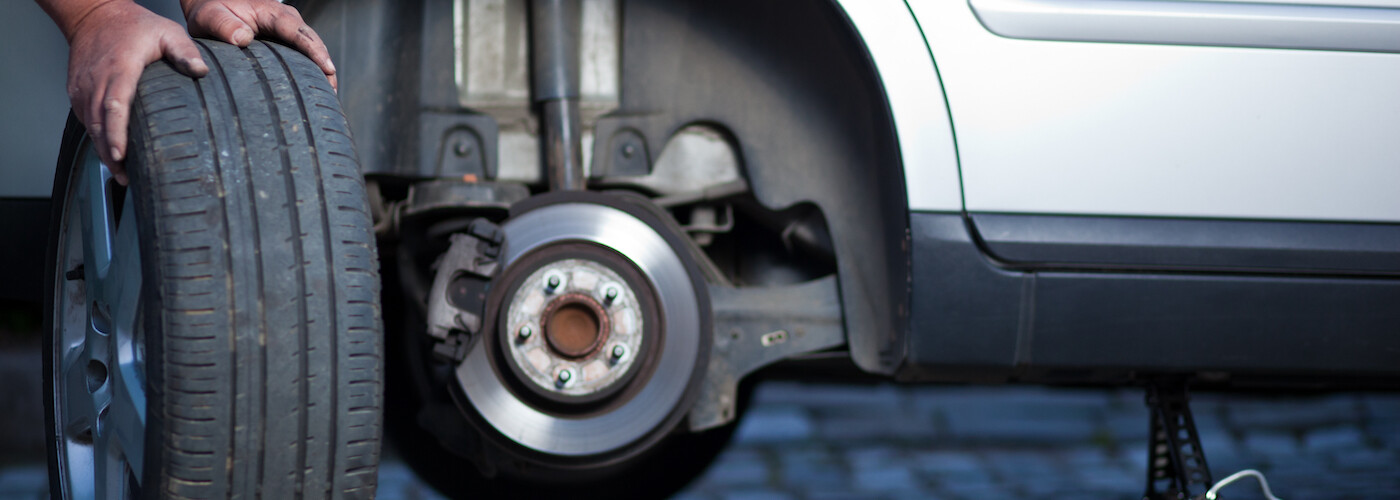
Tire rotation is one of the most overlooked yet essential aspects of vehicle maintenance—especially for larger vehicles like SUVs. Whether you’re driving a compact crossover or a full-size off-road SUV, understanding how often you should rotate tires on an SUV can improve performance, enhance safety, and extend tire life.
Keep your SUV in top shape: pair regular rotations with smart upkeep — learn how to reduce car maintenance costs over time and how to maintain a used car for longevity. Even tire wear also helps improve fuel efficiency in old cars; for official guidance, see the NHTSA tire safety ratings and awareness page.
This guide will cover tire rotation frequency, benefits, common patterns, and how SUV-specific factors influence your maintenance schedule.
Why Tire Rotation Matters for SUVs
SUVs are heavier and have a higher center of gravity than sedans, which puts more pressure on tires—particularly the front ones. Rotating your tires regularly ensures even tread wear, better handling, improved fuel efficiency, and enhanced traction.
Failing to rotate tires can lead to:
-
Uneven tread wear
-
Shortened tire lifespan
-
Poor handling and traction
-
Increased risk of blowouts
-
Voided tire warranty
General Recommendation: How Often Should You Rotate SUV Tires?
Every 5,000 to 7,500 miles is the standard recommendation.
This frequency aligns well with most oil change intervals, making it convenient to combine both services during regular maintenance appointments.
However, this range isn’t set in stone. Some factors can accelerate tire wear and may require more frequent rotations.
Factors That Affect Tire Rotation Frequency
| Factor | Effect on Rotation Schedule |
|---|---|
| Drivetrain (FWD, RWD, AWD, 4WD) | AWD and 4WD may need more frequent rotation due to equal distribution of power |
| Driving Style | Aggressive driving wears tires faster |
| Road Conditions | Rough or unpaved roads accelerate wear |
| Tire Type | All-terrain or performance tires may require different rotation intervals |
| Load Weight | Frequent heavy loads can wear rear tires faster |
Tire Rotation Patterns for SUVs
Different drivetrains require different rotation patterns. Here’s a quick overview:
| Drivetrain Type | Recommended Pattern | Description |
|---|---|---|
| FWD (Front-Wheel Drive) | Forward Cross | Front tires move to rear (same side); rear tires cross to front |
| RWD (Rear-Wheel Drive) | Rearward Cross | Rear tires move to front (same side); front tires cross to rear |
| AWD / 4WD | X-Pattern | All tires crisscross (left front to right rear, etc.) |
| Directional Tires | Front-to-Rear (same side) | Only front to back, no side switching |
| Staggered Fitment | Requires Professional Input | Front and rear tires differ in size or offset |
Tip: Always refer to your vehicle owner’s manual for the manufacturer-recommended rotation pattern and schedule.
Signs Your SUV Tires Need Rotating
If you’re not tracking mileage, here are signs it’s time to rotate your tires:
-
Uneven tread depth between front and rear
-
Vibration while driving (especially at higher speeds)
-
Pulling to one side
-
Visual signs of wear on one tire more than others
-
Increased road noise
If you’re noticing any of these signs earlier than expected, it may also be worth checking your suspension, alignment, and tire pressure regularly.
The Role of Regular Maintenance
Pairing tire rotation with other vehicle services ensures everything works together for optimal performance. For example, while rotating your tires, it’s also wise to:
-
Inspect brakes and rotors
-
Check tire pressure
-
Realign wheels (if needed)
-
Inspect for punctures or sidewall damage
-
Change engine oil and filters
If your SUV is older or has high mileage, using the Best Engine Oil for High Mileage Cars 2025 can help maintain engine performance while your tires continue supporting a heavier load. Combining these practices ensures long-term reliability and fuel efficiency.
DIY vs. Professional Tire Rotation
DIY Tire Rotation
Pros:
-
Saves money
-
Offers a deeper understanding of your vehicle
Cons:
-
Requires a jack, jack stands, torque wrench
-
Time-consuming
-
Risk of improper torque or pattern
Professional Tire Rotation
Pros:
-
Quick and accurate
-
Includes tire pressure and brake checks
-
Often free with other services (like oil changes)
Cons:
-
May cost $20–$50 if done separately
If your SUV is under warranty or covered by a tire protection plan, rotating tires at a certified service center may be required to keep the warranty valid.
FAQs: Tire Rotation for SUVs
How often should I rotate tires if I drive off-road frequently?
Every 4,000–5,000 miles. Off-road driving puts additional stress on your tires, making more frequent rotations necessary.
Do all-wheel-drive SUVs need more frequent rotations?
Yes. AWD systems apply torque to all four wheels, which can lead to uneven wear if not rotated around every 5,000 miles.
Is tire rotation really necessary if the tread looks even?
Even if tread looks fine, hidden internal wear or imbalance can develop. Rotation helps prevent long-term issues and should not be skipped.
Will rotating my tires improve fuel efficiency?
Yes. Even tire wear reduces rolling resistance, which can slightly improve fuel economy.
Can I rotate tires front to back only?
Only if the tires are directional or staggered (different sizes front and rear). Otherwise, using a cross-pattern ensures more even wear.
Final Thoughts
So, how often should you rotate tires on an SUV? Stick to every 5,000 to 7,500 miles—or sooner if you face tough driving conditions or carry heavy loads. Rotating tires isn’t just about wear; it directly impacts your SUV’s safety, performance, and fuel efficiency.
As with any maintenance task, consistency is key. If you’re already invested in proper care—like choosing the Best Engine Oil for High Mileage Cars 2025 to preserve engine life—then tire rotation is another step toward smarter, long-lasting vehicle performance.
Maintaining your SUV means more than just driving it—it means protecting your investment one rotation at a time.