
Hearing a grinding noise when you press your car’s brake pedal can be both alarming and dangerous. While it may start as a minor sound, ignoring it could lead to costly repairs—or even brake failure. If you’re asking, “Why is my car making a grinding noise when braking?”, you’re not alone—and you’re right to be concerned.
Grinding brakes are usually a sign that something is wrong with your braking system. In this article, we’ll explore the common causes, what the sounds mean, how to diagnose the issue, and what to do next. Let’s dive in.
Why Grinding Noises from Brakes Should Never Be Ignored
Your car’s braking system is critical to your safety. Any unusual sound—especially grinding—should be taken seriously. Here’s why:
-
Grinding often indicates metal-on-metal contact.
-
It can reduce stopping power significantly.
-
Ignoring it may damage the brake rotors, calipers, or entire system.
Common Causes of Grinding Noises When Braking
Below is a breakdown of the most frequent causes, symptoms, and repair costs:
Comparison Table: Grinding Noise Causes
| Cause | Description | Typical Sound | Estimated Cost |
|---|---|---|---|
| Worn Brake Pads | Pads have worn down to the metal backing plate | High-pitched grind | $150–$300 (per axle) |
| Damaged Rotors | Rotors warped or grooved due to pad neglect | Metallic scraping | $250–$500 (resurface/replace) |
| Stuck Caliper | Caliper not releasing properly, causing uneven wear | Grinding & pulling | $300–$700 (per caliper) |
| Debris Between Pad and Rotor | Small rocks or dirt trapped in brake assembly | Intermittent grinding | $50–$100 (inspection) |
| Low-Quality Brake Pads | Cheap materials cause noise and poor performance | Constant grind | $100–$250 (upgrade pads) |
1. Worn-Out Brake Pads
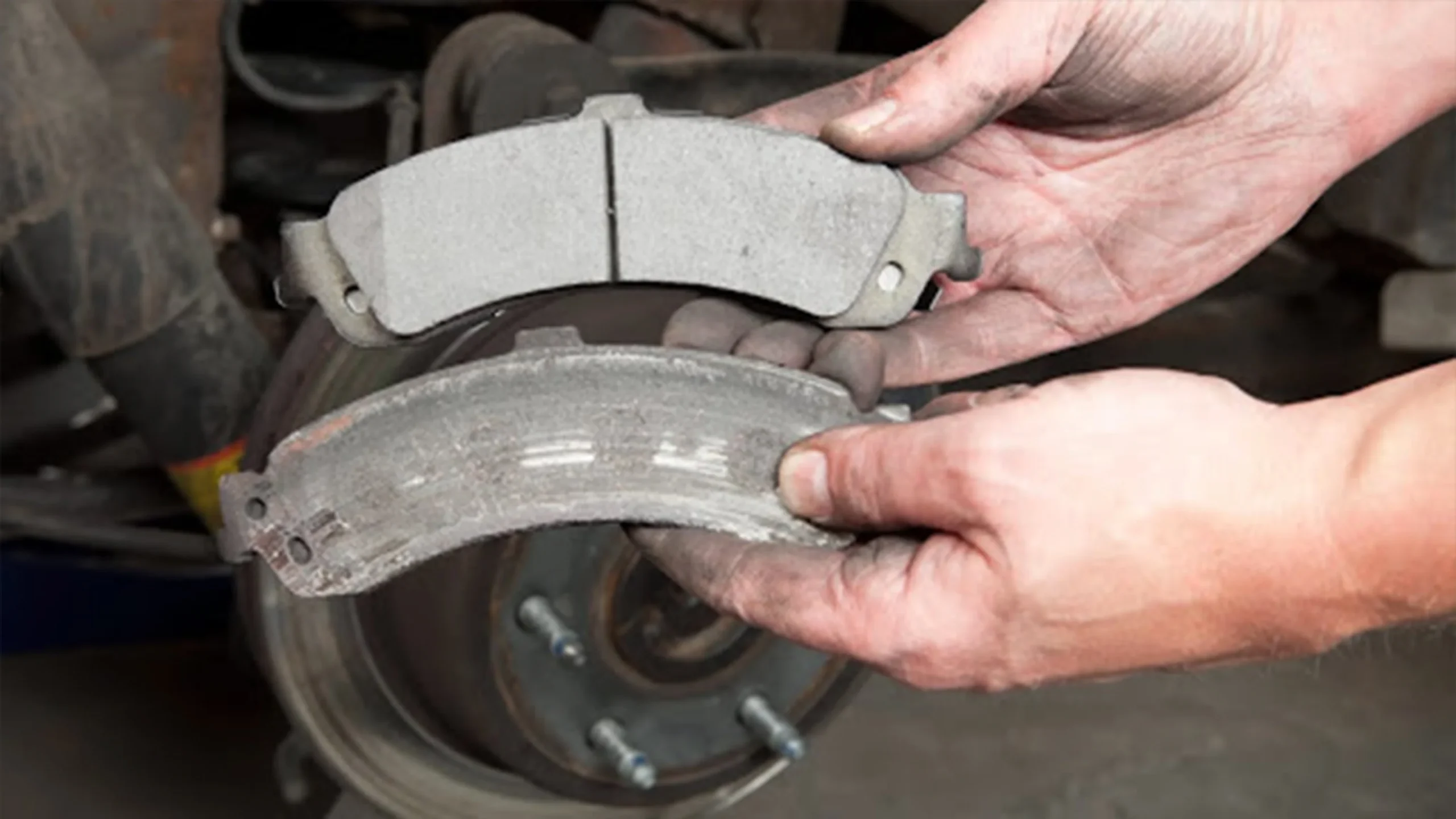
The most common reason for grinding is that your brake pads are completely worn out. When pads wear down, the metal backing plate comes into direct contact with the brake rotor, creating a loud grinding or scraping sound.
Signs of Worn Pads:
-
Reduced braking power
-
Grinding noise every time you brake
-
Longer stopping distance
-
Brake warning light (in some vehicles)
Solution: Replace the brake pads immediately. If ignored, you risk damaging the rotors as well.
2. Scored or Damaged Rotors
When the metal backing of worn-out pads rubs against the rotor, it creates grooves or scores in the surface. This leads to uneven braking, vibrations, and—you guessed it—grinding noises.
Solution: Depending on the damage, rotors can be resurfaced (machined smooth) or replaced.
3. Stuck or Seized Caliper
If one of the brake calipers gets stuck, it applies pressure unevenly. This results in continuous contact between the brake pad and rotor, often leading to overheating, uneven pad wear, and grinding noises.
Warning Signs:
-
Car pulling to one side
-
Grinding noise from one wheel
-
Burning smell near the wheel
Solution: A stuck caliper must be repaired or replaced, along with potentially new pads and rotors.
4. Debris Caught in the Brake System
Sometimes a small rock, pebble, or piece of road debris can get lodged between the brake pad and rotor. This causes an intermittent grinding or scraping noise, often more noticeable at low speeds.
Solution: Remove the wheel and inspect the brake assembly. Clean or remove any debris.
5. Low-Quality or Improperly Installed Brake Pads
Cheap or incorrect brake pads might save you a few dollars initially, but they can cause noise, poor braking, and faster rotor wear. This is especially common after a DIY brake job or a quick-fix service from a discount garage.
Solution: Upgrade to reputable brake pad brands and ensure proper installation.
Can Grinding Brakes Affect Fuel Efficiency?
Absolutely. If your brakes are dragging or not working efficiently due to a stuck caliper or worn-out parts, your car needs to work harder—especially during acceleration. While not directly related to fuel efficiency tips, resolving brake issues complements other Cheap Ways to Improve Car Fuel Efficiency, such as keeping tires properly inflated and avoiding excessive idling.
What to Do If You Hear a Grinding Noise When Braking
Step-by-Step:
-
Stop driving if the sound is severe.
-
Inspect visually: Check the brake pad thickness through the wheel if possible.
-
Listen carefully: Does it happen only when braking or all the time?
-
Avoid DIY fixes unless experienced: Brakes are a safety system and must be handled correctly.
-
Visit a mechanic immediately: A professional inspection can identify the exact cause, followed by a trip to the best brake shops.
Prevention Tips
-
Have your brakes inspected every 10,000 miles or as recommended by your vehicle’s manual.
-
Replace pads before they’re fully worn out to avoid rotor damage.
-
Avoid sudden stops and aggressive braking when possible.
-
Use quality parts—they may cost more but last longer and perform better.
FAQs: Grinding Noise When Braking
Is it safe to drive with grinding brakes?
No. Driving with grinding brakes can severely damage your brake system and compromise your safety. Get them checked immediately.
How much does it cost to fix grinding brakes?
It depends on the issue. Simple pad replacement may cost $150–$300 per axle. If you’ve damaged the rotors or calipers, expect $400–$800 or more.
Can brake pads wear out in one wheel only?
Yes. This can happen due to uneven weight distribution, caliper issues, or improper installation.
Can weather cause grinding noises?
Cold or wet conditions may cause temporary noise, but it shouldn’t persist. Persistent grinding indicates a mechanical issue.
How long can I wait before fixing grinding brakes?
You shouldn’t wait at all. Grinding is usually a sign of metal-on-metal contact, which can rapidly damage other components.
Final Thoughts
If you’re hearing grinding noises while braking, it’s a warning sign you shouldn’t ignore. From worn pads to damaged rotors, the issue could compromise your safety and lead to expensive repairs down the line. Acting quickly not only preserves your braking system—it also ensures a smoother, safer ride.
And while you’re maintaining your vehicle, don’t forget that properly functioning brakes can contribute to better vehicle performance overall, complementing other strategies like Cheap Ways to Improve Car Fuel Efficiency.
Don’t wait for the sound to get worse—schedule a brake inspection today and drive with peace of mind.