
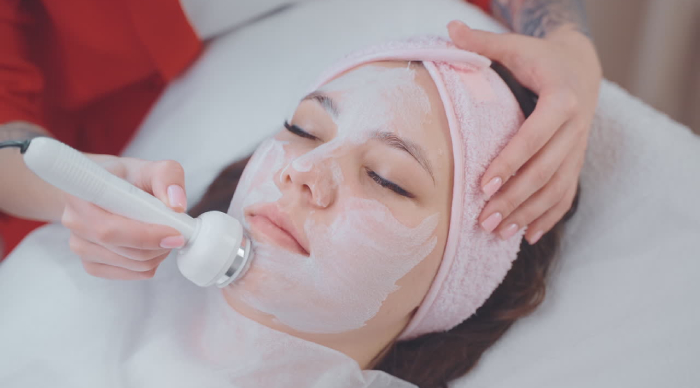
Facial balancing is an exciting non-surgical procedure that helps enhance the natural beauty of your face. Using injectable dermal fillers, it aims to create harmony and proportion among different facial features. The process begins with a detailed consultation where a skilled practitioner assesses your unique facial structure and personal goals. Common areas treated include the cheeks for mid-face volume, jawline, chin, lips, under-eyes, and even foreheads to restore lost volume. Each treatment is tailored specifically to you, ensuring results look natural and not overdone. With immediate benefits and minimal downtime, many individuals find their confidence boosted after undergoing this innovative enhancement technique.
What Is Facial Balancing?
Facial balancing is an exciting non-surgical cosmetic procedure that aims to enhance and harmonize the features of the face using injectable dermal fillers. By addressing volume loss, asymmetries, and other imperfections, facial balancing in Sacramento helps create a more proportionate and aesthetically pleasing appearance. This innovative approach has become increasingly popular due to its ability to deliver noticeable yet subtle results tailored to each individual’s unique facial structure.
The process begins with a thorough consultation, where a qualified practitioner evaluates the patient’s facial anatomy and aesthetic goals. This personalized assessment allows for the creation of a treatment plan that targets specific areas in need of enhancement, such as hollow cheeks, thin lips, or uneven jawlines. Using dermal fillers, often made from hyaluronic acid, practitioners can restore volume and contour, resulting in a youthful and balanced look.
What sets facial balancing apart is its non-invasive nature, allowing for minimal downtime and quick recovery. This makes it suitable for a wide range of ages and skin types, appealing to those who wish to enhance their features without the risks associated with surgical procedures. Many patients report feeling more confident and satisfied with their appearance following treatment, as the results enhance their natural beauty while respecting their unique characteristics.
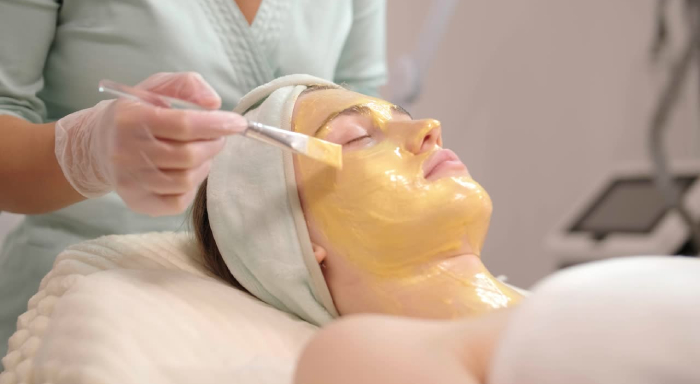
How Does Facial Balancing Work?
The journey of facial balancing starts with a detailed consultation with a skilled practitioner, who takes the time to understand your unique facial anatomy and aesthetic aspirations. This initial assessment is crucial, as it helps to craft a customized treatment plan tailored to your individual needs and desired outcomes. The focus areas for enhancement typically include cheeks, jawline, lips, under-eyes, forehead, and temples, each contributing to the overall harmony of your visage.
Injectable fillers, especially those containing hyaluronic acid, are commonly employed to restore volume and contour. Additionally, neuromodulators, such as Botox, might be utilized to relax facial muscles, smoothing out wrinkles and further enhancing balance. The injection technique is key, as it requires precision to achieve the desired contours and fullness, ensuring the results are both effective and natural-looking.
Most treatments are quick, often completed within an hour, making it a convenient option for those with busy lifestyles. After the procedure, post-treatment care may involve avoiding strenuous activities for a short time to optimize recovery. Follow-up appointments can also be scheduled to assess the results and make any necessary adjustments, ensuring that your facial balance remains flawless.
The Consultation Process for Facial Balancing
The consultation is the first and most crucial step in achieving successful outcomes with facial balancing. During this initial meeting, patients are encouraged to come prepared to discuss their aesthetic goals and concerns. A qualified practitioner will conduct a thorough facial analysis, assessing each individual’s unique features and proportions. It’s also essential to review the patient’s medical history, including any allergies or prior treatments, to ensure safety during the procedure.
Patients should feel comfortable asking questions about the procedure and what to expect from the results. Often, photographs are taken to document the face before treatment, allowing for clear before-and-after comparisons. The practitioner will provide detailed information about the types of fillers used and their specific benefits, helping to set realistic expectations.
Moreover, this is a perfect opportunity for patients to express any specific areas they wish to improve or enhance. A discussion regarding potential side effects and aftercare instructions will also take place, ensuring that patients are well-informed. Ultimately, the consultation ensures that both the patient and practitioner are aligned on their goals, leading to a tailored and effective treatment plan.
- The consultation is the first step and crucial for successful outcomes.
- Patients should come prepared to discuss their aesthetic goals and concerns.
- The practitioner will conduct a thorough facial analysis during the meeting.
- Medical history, including any allergies or previous treatments, will be reviewed.
- Patients should feel comfortable asking questions about the procedure and expected results.
- Photographs may be taken to assess before-and-after comparisons.
- The practitioner will explain the types of fillers used and their benefits.
- Patients can express any specific areas they wish to improve or enhance.
- A discussion about potential side effects and aftercare instructions will take place.
- The consultation ensures that both patient and practitioner are aligned on goals.
Key Treatment Areas for Facial Balancing
Facial balancing focuses on specific treatment areas that can significantly enhance overall appearance. Cheeks are often a primary target, as enhancing them can restore youthful fullness and contour, giving the face a more vibrant look. Jawline and chin augmentation is another popular area, improving the overall facial structure and creating a more defined profile. Lip enhancements are also common, focusing on increasing volume and enhancing definition for a fuller, more attractive smile.
Under-eye treatments play a crucial role as well, aiming to reduce hollowness and dark circles that can make one appear tired or aged. Forehead fillers are effective in smoothing out lines and restoring volume to the temples, contributing to a more youthful look. Additionally, smile lines may be treated to create a softer appearance, enhancing the overall harmony of the face.
For those looking for minor adjustments, nose reshaping with fillers can be an excellent choice, allowing for subtle changes that can make a big difference. Importantly, patients can target specific asymmetries, creating a more balanced look tailored to their unique features. Each area requires a specialized approach to ensure that the results are natural and enhance the individual’s beauty without looking overdone. During consultations, practitioners discuss which areas need attention based on individual assessments, ensuring a personalized treatment plan that caters to each person’s aesthetic goals.
Injectable Techniques in Facial Balancing
Injectable techniques play a pivotal role in the world of facial balancing, primarily utilizing dermal fillers to create harmony and enhance facial features. Hyaluronic acid fillers are a popular choice due to their safety profile and natural results, allowing practitioners to add volume and sculpt features with precision. Techniques such as micro-injections enable precise placement with minimal discomfort, ensuring patients experience a smooth treatment process. Many practitioners opt for cannulas instead of traditional needles, which can lead to smoother injections and reduced bruising, promoting a quicker recovery.
In addition to fillers, neuromodulators like Botox can be strategically combined to relax specific facial muscles, further contributing to an overall balanced appearance. The focus is on achieving gradual, natural-looking outcomes that blend seamlessly with the patient’s unique features. Practitioners often employ a layered approach, building volume subtly over multiple sessions to avoid an overdone look. Each technique is selected based on the individual’s facial structure and desired results, highlighting the importance of customization in facial balancing procedures. Ongoing education and training for practitioners ensure that they are up-to-date with the latest techniques, providing patients with the best possible care and results.
Why Choose Facial Balancing?
Facial balancing is an exciting option for those looking to enhance their appearance without the commitment of surgery. This non-invasive procedure allows for immediate improvements, giving patients a refreshed look right after treatment. With costs often lower than traditional surgical procedures, it’s a budget-friendly way to achieve your desired results. One of the best aspects is the ability to tailor the treatment to each person’s unique facial proportions, ensuring that enhancements fit naturally with their features. Patients appreciate that there is minimal downtime, so they can quickly return to their daily routines without the long recovery periods associated with surgery. The focus on enhancing natural beauty means that results appear subtle and not overly done, which is a major consideration for many seeking cosmetic adjustments. Additionally, the customization inherent in facial balancing means that specific concerns and desires can be addressed, leading to increased self-esteem and satisfaction after treatment. This makes it an ideal choice for first-time cosmetic seekers who may be apprehensive about more invasive options. The gratification of seeing immediate results often leaves patients feeling empowered and pleased with their new look, reinforcing the popularity of facial balancing as a preferred approach for those wanting subtle yet impactful improvements.
Understanding the Risks of Facial Balancing
Facial balancing, while a popular cosmetic procedure, does come with its share of risks that patients should be aware of. Common side effects such as swelling, bruising, and redness at injection sites are usually mild and tend to resolve within a few days. However, it’s essential to choose an experienced practitioner to minimize the chances of complications. For instance, overfilling can lead to an unnatural look, making it crucial to find skilled injectors who understand facial anatomy well.
In rare cases, some patients may experience allergic reactions, which require immediate medical attention. Therefore, discussing your complete medical history with your provider is vital to avoid potential risks. Additionally, the longevity of results can vary, typically lasting between 6 to 18 months depending on the filler used, meaning regular maintenance treatments might be necessary to keep your desired look.
While infections are rare, they can occur if proper aftercare is not followed, so adhering to post-treatment instructions is crucial. Understanding these potential risks helps set realistic expectations for what facial balancing can achieve, ensuring a better overall experience.
Tailoring Treatments for Individual Needs
Each facial balancing treatment is uniquely designed to fit the patient’s specific facial anatomy, ensuring that every session is personalized. Practitioners carefully assess facial proportions to create a balanced plan that aligns with individual goals and preferences. Patients can express their desired look, whether they want subtle improvements or more defined enhancements. The approach may vary based on factors such as age, skin type, and overall health, allowing for a truly tailored experience. During the procedure, continuous assessments allow practitioners to make adjustments as needed, ensuring the best possible outcome. Initially, a conservative approach is often taken to guarantee natural results that enhance rather than alter one’s appearance dramatically. Follow-up consultations play a crucial role in fine-tuning results over time, allowing for further adjustments based on patient feedback. This tailored treatment not only improves aesthetics but also significantly boosts patient confidence, making individuals feel more comfortable and satisfied with their appearance.
Frequently Asked Questions
What exactly is facial balancing?
Facial balancing is a cosmetic technique that aims to create harmony among your facial features. By adjusting things like your nose, chin, or cheeks, the goal is to enhance your overall appearance and make your face look more symmetrical.
How does facial balancing work?
Facial balancing works by identifying areas of the face that could use improvement, then using various methods like fillers or surgical procedures to enhance these areas. This process helps to create a more proportionate and even look.
Who is a good candidate for facial balancing?
Good candidates for facial balancing are those who feel their facial features are out of proportion or uneven. It can suit people of different ages, as long as they’re in good health and have realistic expectations about the results.
Are there any risks involved with facial balancing?
Like any cosmetic procedure, facial balancing has risks. These can include swelling, bruising, or even infection. It’s essential to discuss these risks with a qualified professional before deciding to go ahead.
How long do the results of facial balancing last?
The results of facial balancing vary based on the methods used. Non-surgical options like fillers usually last from six months to two years, while surgical results can be more permanent, depending on your individual circumstances.
TL;DR Facial balancing is a non-surgical procedure that enhances and harmonizes facial features using injectable dermal fillers. The process starts with a thorough consultation to create a personalized treatment plan, focusing on key areas like cheeks, jawline, lips, and under-eyes. Techniques often involve fillers and sometimes neuromodulators for a natural look. Benefits include minimal downtime, immediate results, and boosted confidence. However, it’s essential to choose a skilled practitioner and be aware of potential side effects. Overall, facial balancing is about enhancing natural beauty and achieving facial symmetry.