

Sleep is essential for good health, yet millions of people struggle with sleep-related issues without realizing the cause. One of the most common sleep disorders is sleep apnea, a condition where breathing repeatedly stops and starts during sleep. Many people undergo a home sleep apnea test to determine whether they are affected.
But once the test is done, an important question arises: What comes next?
In this article, we’ll break down what to expect after your home sleep apnea test, including understanding the results, treatment options, lifestyle changes, and long-term management.
Understanding a Home Sleep Apnea Test
A home sleep apnea test (HSAT) is a simplified version of a sleep study (polysomnography) that you can take in the comfort of your home. The device typically measures:
- Breathing patterns
- Oxygen levels
- Heart rate
- Snoring or airflow disruptions
Compared to a full in-lab study, an HSAT is more convenient and cost-effective, making it an increasingly popular first step for people who suspect sleep apnea.
When Will You Get the Results?
After returning the device or uploading the recorded data, a sleep specialist or physician reviews the information. Results are usually available within a few days to a week.
The report typically includes:
- Apnea-Hypopnea Index (AHI): How many times breathing stops or slows per hour.
- Severity of Sleep Apnea:
- Mild: 5–15 events per hour
- Moderate: 15–30 events per hour
- Severe: More than 30 events per hour
- Oxygen Desaturation: How often and how much oxygen levels dropped during sleep.
This data helps doctors determine whether you truly have sleep apnea and how severe it is.
What Happens If Your Test Is Positive?
If your home sleep apnea test confirms sleep apnea, the next step is to work with a sleep physician to create a treatment plan. The treatment depends on the severity of your condition:
1. Continuous Positive Airway Pressure (CPAP) Therapy
- Most common treatment.
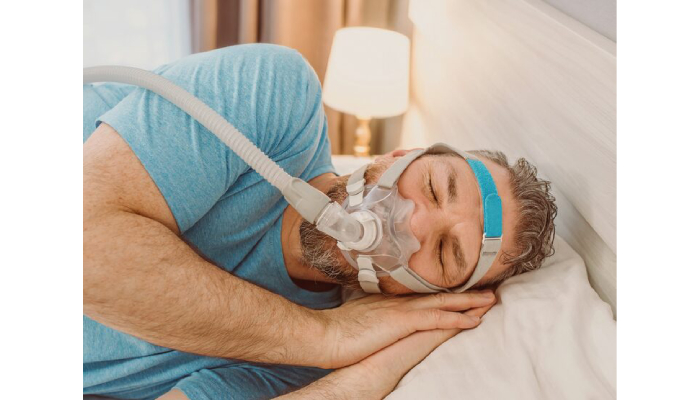
- A CPAP machine delivers a constant stream of air through a mask to keep your airway open.
- Highly effective in reducing symptoms like loud snoring, gasping, and daytime fatigue.
2. Oral Appliances
- A custom-made dental device that repositions your jaw and tongue to keep the airway open.
- Often recommended for mild to moderate cases.
3. Lifestyle Modifications
- Losing weight, avoiding alcohol, quitting smoking, and sleeping on your side instead of your back can reduce symptoms.
4. Surgery
- In rare or severe cases, surgical procedures may be suggested to remove tissue or realign airway structures.
What If Your Test Is Negative?
A negative home sleep apnea test doesn’t always mean you are free from sleep problems. Sometimes, HSATs may miss certain sleep disorders, such as:
- Central sleep apnea
- Insomnia
- Restless leg syndrome
If symptoms persist—such as constant fatigue, morning headaches, or loud snoring—your doctor may recommend a full in-lab polysomnography for more detailed monitoring.
The Role of Follow-Up Appointments
After the initial diagnosis, follow-up appointments are crucial. These visits help ensure:
- The treatment is effective.
- The CPAP machine or oral appliance is comfortable.
- Adjustments can be made based on your progress.
In many cases, doctors also track improvements in blood pressure, oxygen levels, and sleep quality to ensure long-term health benefits.
Lifestyle Changes That Support Treatment
Even with medical treatments, lifestyle changes play a huge role in managing sleep apnea. Consider these strategies:
- Weight Management: Obesity is one of the leading risk factors. Losing even 10% of body weight can improve symptoms.
- Exercise: Regular physical activity helps regulate breathing and overall sleep quality.
- Avoid Alcohol & Sedatives: These substances relax throat muscles, worsening apnea events.
- Quit Smoking: Smoking increases inflammation and fluid retention in the airway.
- Improve Sleep Hygiene: Maintain a regular sleep schedule, limit screen time before bed, and create a comfortable environment.
Long-Term Health Benefits of Treating Sleep Apnea
Ignoring sleep apnea can lead to serious complications such as high blood pressure, diabetes, heart disease, and even stroke. By completing a home sleep apnea test and following through with treatment, you protect yourself from:
- Daytime sleepiness and fatigue
- Workplace or driving accidents
- Heart rhythm problems
- Poor concentration and memory issues
Treatment not only improves your sleep but also enhances overall quality of life.
Emotional and Mental Health Considerations
Living with untreated sleep apnea can cause anxiety, depression, and strained relationships (especially due to snoring). Many patients feel an emotional relief once they get answers through a home sleep apnea test and begin proper treatment.
What Comes Next? Taking Control of Your Sleep
The home sleep apnea test is just the beginning. What truly matters is how you act on the results. By partnering with your healthcare provider, committing to treatment, and making lifestyle changes, you can take control of your sleep and your health.
Remember, quality sleep is not a luxury—it’s a necessity for a longer, healthier life.
Conclusion
If you’ve recently taken a home sleep apnea test, don’t stop at the diagnosis. The next steps—treatment, follow-up, and lifestyle improvements—are the key to better sleep and better health.