
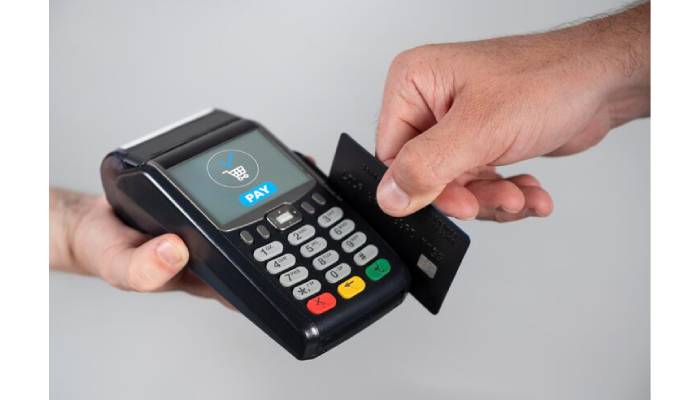
For small business owners in the UK, finding the cheapest card payment machine in UK isn’t just about saving money—it’s about balancing affordability with reliability, ease of use, and customer trust. With cash transactions steadily declining and card and contactless payments now the norm, choosing the right payment machine has become essential. But with so many providers offering a mix of machines, pricing structures, and hidden fees, how do you decide which option is best for your business?
This guide explores everything small businesses need to know: what to look for in a card machine, the real costs involved, the cheapest options currently available, and how to choose the one that fits your needs.
What Does “Cheapest” Really Mean?
When searching for the cheapest card payment machine in UK, it’s tempting to focus only on the upfront price of the device. However, the “cheapest” solution should be evaluated holistically. Costs can include:
- Upfront cost – Price of the machine (one-off purchase or rental).
- Transaction fees – Percentage or flat fee charged per card payment.
- Monthly fees – Subscription or rental costs.
- Hidden charges – Early termination fees, refund costs, chargeback fees, or setup charges.
- Connectivity and software costs – Some machines require Wi-Fi, SIM cards, or integration with POS software.
For many small businesses, a slightly more expensive machine with lower ongoing fees may actually be “cheaper” in the long run.

Why Small Businesses Need a Card Payment Machine?
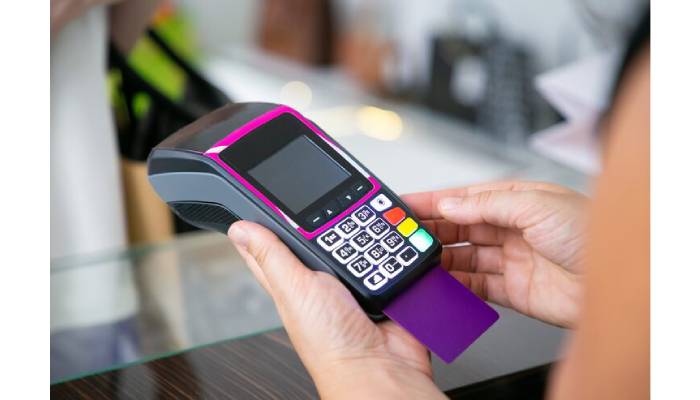
Cash is no longer king in the UK. According to UK Finance, card payments now account for over half of all transactions, with contactless payments leading the charge. For a small business—whether you run a coffee shop, salon, food truck, or retail stall—accepting cards is no longer optional.
Here are some key reasons why card payment machines are vital:
- Customer expectations: Most customers expect to pay with cards or digital wallets like Apple Pay or Google Pay.
- Higher sales: Customers tend to spend more when paying by card compared to cash.
- Security and convenience: Less cash on-site means reduced theft risks and easier bookkeeping.
- Professional image: Offering card payments shows your business is modern and customer-friendly.
Types of Card Payment Machines
Before diving into the cheapest providers, it’s important to understand the types of card machines available:
- Countertop Card Machines
- Fixed devices that stay on the shop counter.
- Suitable for cafés, salons, and retail stores with stable premises.
- Portable Card Machines
- Handheld devices connected by Wi-Fi or Bluetooth.
- Useful in restaurants or pubs for taking payments at tables.
- Mobile Card Machines (Smart Terminals)
- Use 3G/4G SIM cards to take payments on the go.
- Perfect for market traders, food trucks, or mobile services.
- App-Based Card Readers
- Small, low-cost readers paired with a smartphone app.
- Affordable and flexible, but reliant on your phone’s battery and internet connection.
Cheapest Card Payment Machine Providers in the UK
Here’s an overview of some of the most affordable and popular options in the UK for 2025:
1. SumUp
- Upfront cost: From £19 (SumUp Air)
- Transaction fee: 1.69% per transaction
- Monthly fee: £0
- Why it’s good: Extremely low startup cost, simple pricing, and no monthly contract. Works well for sole traders and very small businesses.
2. Zettle by PayPal
- Upfront cost: £29 (card reader)
- Transaction fee: 1.75% per transaction
- Monthly fee: £0
- Why it’s good: Backed by PayPal, easy integration with PayPal accounts and e-commerce. The app includes inventory tracking and analytics.
3. Square
- Upfront cost: Free (with basic reader), or £19 for contactless card reader
- Transaction fee: 1.75%
- Monthly fee: £0
- Why it’s good: Ideal for startups. Square also offers free POS software, invoicing, and online payment tools.
Key Features to Look For
When comparing the cheapest card payment machine in UK, don’t just look at cost. Pay attention to:
- Connectivity: Does it work offline, or does it need constant Wi-Fi or mobile data?
- Speed: Faster transactions improve customer satisfaction.
- Compatibility: Can it integrate with your POS, accounting software, or e-commerce platform?
- Payout times: Some providers transfer funds instantly; others may take 1–3 working days.
- Support: Look for 24/7 customer support if you operate outside regular hours.
Which Option Is Best for Small Businesses?
The best card machine depends on your business type:
- Market traders & mobile services: SumUp or Square, due to low upfront cost and no monthly fee.
- Cafés & small shops: Zettle, thanks to its inventory features and PayPal integration.
- Restaurants & pubs: Dojo Go or portable terminals for tableside payments.
- Growing retail stores: Worldpay or Barclaycard, which scale with higher transaction volumes.
If your business processes only a few hundred pounds monthly, prioritise a provider with no monthly fee. For larger volumes, a slightly higher monthly cost but lower transaction fees may save you money overall.
Hidden Costs to Watch Out For
Even when choosing the cheapest option, be aware of potential extras:
- Refund fees – Some providers charge when refunding a customer.
- Chargebacks – If a customer disputes a payment, you may face a fee.
- Settlement delays – Delayed payments can hurt cash flow.
- Equipment replacement – Check warranty and replacement policies for faulty machines.
Final Thoughts
Choosing the cheapest card payment machine in UK isn’t about grabbing the lowest upfront price. It’s about aligning affordability with features, transaction costs, and business needs. For many sole traders and micro-businesses, SumUp, Zettle, or Square offer unbeatable simplicity and value. For larger or growing businesses, providers like Dojo or Worldpay may deliver better long-term savings and support.