
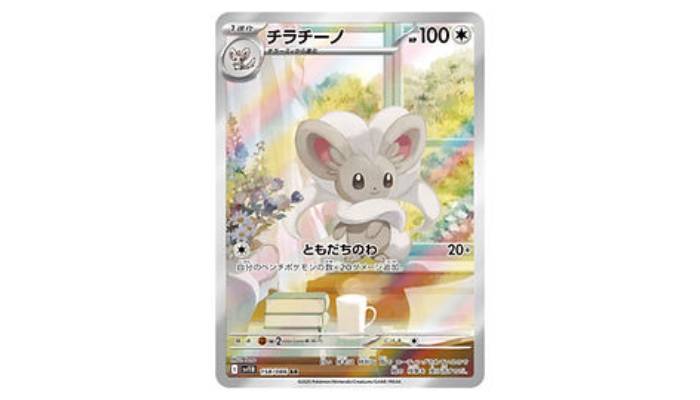
Storing sealed Pokémon cards properly is key to ensuring they retain their condition and value over time. First, it’s essential to use high-quality, acid-free card sleeves for individual cards and protective display cases for items like booster boxes. The storage environment matters too; place your cards in a cool, dry area with stable temperature between 60-75°F and humidity levels around 45-50%. Avoid direct sunlight by using opaque boxes or UV-resistant cases. Additionally, handle the cards gently with clean hands or cotton gloves to avoid damage. Regularly check on your collection’s condition and stay updated on best practices to protect your investment effectively.
1. Understanding Proper Storage for Sealed Pokémon Cards
Proper storage is vital for keeping the value of sealed Pokémon cards intact. Over time, factors like wear and tear can significantly decrease their worth. To avoid this, store your cards in climate-controlled areas where temperature and humidity are stable. The ideal range is between 60-75°F (15-24°C) with humidity levels around 45-50%. Avoid places like basements or attics, which can experience moisture and temperature fluctuations that harm card conditions. It’s also wise to keep your collection away from pets and children to prevent any accidental damage.
Designate a specific area for your cards to keep them organized and secure. For particularly valuable cards, consider using a fireproof safe. When storing, use cardboard boxes made for trading cards to prevent bending, and ensure you do not store cards in direct contact with materials that could transfer acids. Labeling your boxes will help in easily identifying your collection. Regularly checking your storage conditions is equally important; this allows you to catch any issues early and maintain the longevity and value of your cards.
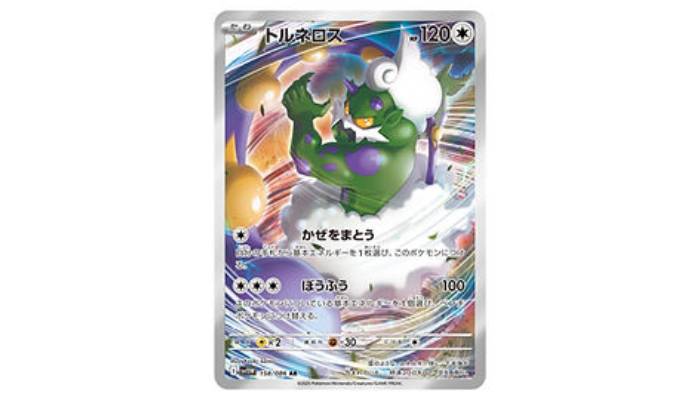
- Proper storage prevents wear and tear that can decrease card value.
- Use climate-controlled areas for optimal temperature and humidity.
- Avoid basements or attics due to moisture and temperature changes.
- Keep cards away from pets and children to prevent accidental damage.
- Store cards in a dedicated space to keep them organized and safe.
- Consider using a fireproof safe for extremely valuable cards.
- Use cardboard boxes designed for trading cards to prevent bending.
- Label boxes for easy identification of your collection.
- Avoid storing cards in direct contact with other materials that may transfer acids.
- Regularly check your storage conditions to catch issues early.
2. Using Protective Sleeves and Cases
To keep your sealed Pokémon cards in top shape, using the right protective sleeves and cases is vital. Start with card sleeves made from polypropylene or mylar, as these materials are not only durable but also acid-free, preventing card degradation over time. For transporting valuable cards, toploaders offer rigid support, ensuring they remain safe from bending or damage. If you prefer a stylish display, magnetic cases can provide both security and a way to showcase your collection.
When it comes to sealed packs, team bags are a great choice, offering extra protection against dust and scratches. Keep in mind to avoid PVC materials, as they can cause long-term damage to your cards. Select cases that include UV protection to shield your cards from harmful light, which can fade colors and weaken the card stock. For larger collections, consider using binders with D-ring mechanisms, as they allow for easier access while keeping your cards well-organized and protected.
Investing in premium products for your high-value cards is a smart move, providing added security and peace of mind. Finally, store your cards in protective cases upright, as this minimizes the risk of bending, ensuring your collection retains its value.
3. Creating an Optimal Storage Environment
To keep your sealed Pokémon cards in the best condition, creating an optimal storage environment is key. Start by regularly checking humidity levels with a hygrometer. Aim for humidity between 45-50%, as high moisture can lead to mold and damage. If you find damp areas, using a dehumidifier can help control moisture levels effectively. Additionally, consider using air purifiers to reduce dust and allergens, which can also harm your cards over time.
Store your cards in interior rooms away from windows to shield them from direct sunlight, which can fade colors and weaken card stock. Using opaque storage solutions is wise, as they block out light completely, providing further protection. Avoid placing storage near heaters or air conditioning units since temperature fluctuations can cause stress to the card materials.
Seal storage boxes tightly to keep out pests and dust, ensuring a clean environment for your cards. If you’re serious about preservation, you might even consider temperature-controlled storage units, especially if you live in an area with extreme weather. Maintaining a consistent environment is important; sudden changes can negatively impact the cards. For transit, use climate-controlled bags, adding an extra layer of protection against temperature swings.
4. Choosing Acid-Free Storage Solutions
For long-term storage, selecting acid-free storage boxes is essential. These boxes are crafted from materials that lack harmful acids, preventing damage to your cards over time. Brands like BCW and Ultra Pro offer options that guarantee acid-free materials for collectibles. Avoid any cardboard boxes that are not specifically labeled as acid-free, as they can deteriorate and release acids that harm the cards. Plastic containers can also be a great choice, as long as they are acid-free.
Before placing cards in boxes, ensure they are stored in individual protective sleeves. This adds an extra layer of security against dust and scratches. When organizing your storage, opt for stacking solutions that reduce pressure on cards, minimizing the risk of bending or damage. Regularly inspect your storage materials for any signs of wear, and if repairs are needed, use acid-free tape to maintain the integrity of the materials.
Be cautious about labeling your boxes; sticky labels can leave residue and potentially harm the cards. Instead, use paper labels that you can easily stick on without causing damage. Lastly, always check for any unpleasant odors from storage materials, as these can indicate the presence of harmful chemicals that may affect your cards.
5. Organizing Your Pokémon Card Collection
Organizing your Pokémon card collection is key to maintaining both accessibility and value. Start by sorting your cards by set, type, or rarity. This makes it easier to find what you need, whether you’re looking to trade, sell, or simply enjoy your collection. Using dividers within your storage boxes can help separate different sections, making navigation smooth.
Creating a digital inventory is another effective way to track your collection. You can log details like card names, conditions, and current market values, which can be especially helpful when you want to assess your collection’s worth. Don’t forget to label your binders and boxes clearly for quick identification, this saves time and reduces the chances of misplacing cards.
For a more visual approach, consider color coding your collection. Assign different colors to various sets or types; this not only adds a level of organization but also looks appealing. As your collection grows, regularly update your organization system to ensure it meets your needs.
Archival binders that can expand are a great investment, as they accommodate more cards without compromising their safety. When storing duplicates, keep them separately to avoid confusion. You can also use index cards to jot down specific details about each card collection, which can be particularly useful for rare finds or valuable items.
Lastly, think about storing cards based on their market value, prioritizing access to your most valuable pieces. This way, when it’s time to make a trade or sale, you can quickly access the cards that matter most.
6. Handling Cards with Care
When it comes to handling your Pokémon cards, taking precautions is key to preserving their condition. Always support the cards from the bottom to prevent bending. It’s wise to keep cards in protective sleeves until you’re ready to carefully inspect or show them. Be cautious about your surroundings; a simple bump or accident can lead to damage. Avoid eating or drinking near your cards to prevent any spills that could ruin them. When you need to show a card to someone, use both hands and hold it by the edges, steering clear of touching the surface. For added protection, consider using a clean microfiber cloth during handling. Lastly, ensure your workspace is clean and free of any dirt or debris before you start, and never use tape or stickers directly on the cards, as they can cause irreversible damage.
7. Managing Insurance and Inventory
Keeping your Pokémon card collection safe means managing both insurance and inventory thoughtfully. Start by documenting each card’s condition and estimated value, which is crucial for insurance purposes. For high-value cards, consider getting professional appraisals to ensure accurate valuations. A well-organized spreadsheet can be invaluable, allowing you to track card details and market trends effectively. Don’t forget to keep receipts from your purchases, as they serve as proof of ownership and can be helpful if you ever need to file a claim.
It’s wise to review and update your inventory regularly since card values can fluctuate. Specialized insurance for collectibles is an option worth considering, as it can provide peace of mind knowing your investment is protected. Store your insurance documents in a safe place, separate from your cards, to avoid any mishaps. Additionally, photographs can serve as visual documentation of your collection and its condition, which can be beneficial for both insurance purposes and personal records. Maintain a separate log for any cards you have sold or traded, as this helps keep your inventory accurate.
Engaging with fellow collectors can also offer insights into market values and trends, ensuring you stay informed and up-to-date.
8. Regular Monitoring and Maintenance
It is essential to regularly check your Pokémon cards for any signs of wear or damage. Take the time to inspect protective sleeves and cases, replacing any that show signs of wear. Monitoring the temperature and humidity of your storage area at least once a month will help maintain stable conditions. Using moisture absorbers in your storage boxes can further ensure that the environment stays stable, protecting your cards from humidity damage. Additionally, consider rotating the positions of your cards occasionally to avoid creating pressure points. A seasonal review of your entire collection is a good practice, allowing you to update your inventory with any new purchases or sales. Engaging in discussions with fellow collectors can provide valuable insights and tips for maintenance. Documenting any changes in card condition over time can help track their value and ensure they are kept in the best possible shape.
9. Staying Informed on Best Practices
Keeping yourself updated on best practices is crucial for maintaining the value of your sealed Pokémon cards. Following reputable collectors and experts on social media platforms can provide you with valuable tips and insights. Joining online communities dedicated to Pokémon card collecting can also help you connect with others who share your passion. Subscribing to newsletters or blogs that focus on collectibles is another great way to stay informed.
Participating in local or virtual trading events allows you to learn from experienced collectors and share your own knowledge. Engaging in forums provides an opportunity to gain insights from those who have been in the hobby longer. Reading books or articles on card preservation techniques can deepen your understanding of the subject.
Additionally, keeping up with market trends through reliable sources is essential for making informed decisions about your collection. Watching videos or tutorials on card care and storage can offer practical tips that you might not find elsewhere. Don’t hesitate to engage with local card shops for advice and resources, as they often have a wealth of knowledge to share. Lastly, remember to check for updates on best practices from trusted organizations in the collectible card industry, as they frequently release new information.
Frequently Asked Questions
What is the best way to keep my sealed Pokemon cards safe?
To keep your sealed Pokemon cards safe, store them in a cool, dry place away from direct sunlight. Use protective sleeves or boxes made for card storage. Keeping them in a temperature-controlled area can help prevent damage.
How often should I check on my stored Pokemon cards?
It’s a good idea to check on your stored Pokemon cards every few months. This way, you can ensure they are still in good condition and that the storage environment remains safe.
Can I store my Pokemon cards in a basement or attic?
Storing Pokemon cards in a basement or attic can be risky due to humidity and temperature changes. It’s better to use a stable environment, ideally inside your home, to avoid any damage from moisture or temperature fluctuations.
Should I remove the wrappers from sealed packs before storing them?
It’s best to keep the wrappers on sealed packs. The original packaging helps protect the cards and contribute to their long-term value. Removing them can expose the cards to potential damage and decrease their worth.
Is it okay to store my Pokemon cards in a cardboard box?
While a cardboard box can work for storage, make sure it’s sturdy and dry. Consider using a plastic box or a specialized card storage box, as these can better protect your cards from moisture and wear.
TL;DR To ensure the long-term value of sealed Pokémon cards, it is important to practice proper storage techniques. Use protective sleeves and sturdy display cases to shield cards from damage. Maintain an optimal storage environment with controlled temperature and humidity, while avoiding direct sunlight. Choose acid-free storage solutions to prevent deterioration. Organize your collection carefully, handle cards gently, and consider insuring valuable items. Regularly monitor storage conditions and stay updated on best practices to protect your investment.