
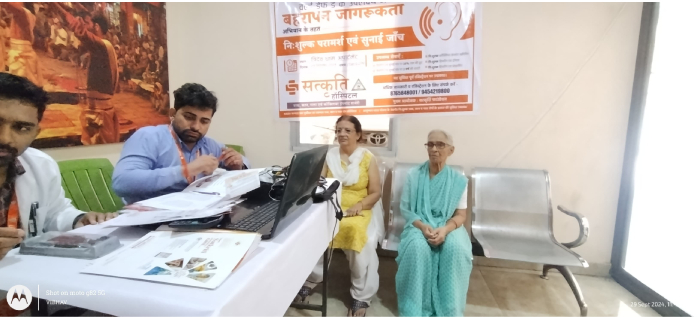
Hearing loss affects millions of people in India, making daily communication and social interaction challenging. According to recent studies, India has one of the largest populations of people with hearing impairments in the world. Addressing this issue is not just a health priority but also a step towards a more inclusive society. The vision of Deafness Free India 2047 aims to eliminate preventable hearing loss by the time India celebrates its 100th year of independence. One of the most powerful tools in achieving this goal is technology. From early detection to rehabilitation and public awareness, technology is playing a crucial role in creating a future where no one is left behind due to hearing impairment.
Early Detection Through Technology
Early detection of hearing issues is critical for effective intervention. Modern technology has introduced tools that can detect hearing loss at a very early stage, even in newborns. Devices such as otoacoustic emission (OAE) machines and automated auditory brainstem response (AABR) systems are now available in hospitals and clinics. These devices help identify hearing problems within the first few days of a baby’s life, allowing timely intervention and reducing the impact of hearing loss on speech and language development.
Mobile-based hearing screening apps are also gaining popularity in India. These apps allow parents and healthcare workers in rural and urban areas to quickly test hearing in children and adults, bridging the gap where traditional screening facilities may not be accessible. By leveraging such technology, India can move closer to the goal of Deafness Free India 2047.
Assistive Devices and Hearing Aids
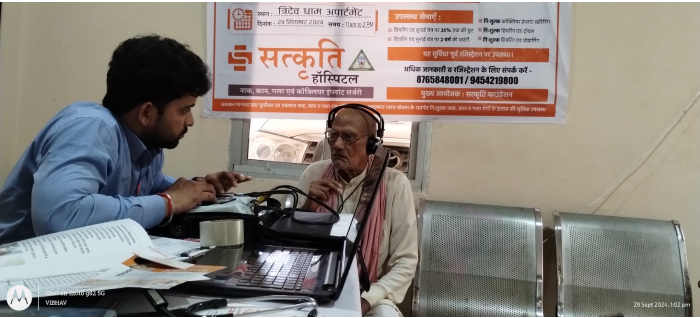
One of the most significant ways technology is helping the hearing-impaired community is through assistive devices like hearing aids and cochlear implants. Modern hearing aids are now digital, programmable, and equipped with noise-canceling features. They can adjust automatically to different sound environments, providing a much clearer hearing experience.
Cochlear implants are another breakthrough, offering people with severe hearing loss the chance to hear again. Technological advances have made these devices smaller, more efficient, and more affordable. Public health initiatives and nonprofit programs that distribute hearing aids and implants can greatly support the vision of Deafness Free India 2047, ensuring that even those in underserved areas have access to these life-changing technologies.
Tele-Audiology and Remote Support
Tele-audiology is emerging as a transformative solution in the effort to create a Deafness Free India 2047. Through online consultations, hearing tests, and remote device adjustments, individuals in remote or rural areas can receive professional audiology services without traveling long distances. This technology is especially vital in India, where access to specialized hearing care can be limited outside major cities.
Remote support platforms also allow audiologists to monitor hearing aid performance, adjust settings, and provide counseling through video calls. This continuous support ensures that hearing-impaired individuals maintain optimal hearing health and participate fully in society.
Educational Technology for Hearing-Impaired Children
Education plays a critical role in achieving Deafness Free India 2047, and technology is revolutionizing learning for children with hearing loss. Special educational software, interactive apps, and digital classrooms equipped with visual aids help hearing-impaired students learn effectively.
Speech-to-text software, real-time captioning, and sign language translation apps have made classrooms more inclusive. By integrating these tools into mainstream education, schools can ensure that children with hearing challenges receive quality education alongside their peers, helping them reach their full potential.
Awareness and Public Engagement
Technology also plays a crucial role in raising awareness about hearing health and the vision of Deafness Free India 2047. Social media platforms, mobile apps, and websites provide educational content on the prevention of hearing loss, proper ear care, and early intervention strategies.
Virtual campaigns and online workshops allow experts to reach millions of people, particularly in areas where traditional outreach programs may not reach. By using technology to spread knowledge, communities can take proactive steps to prevent hearing loss and support those who are affected.
Data and Research for Better Policy Making
Technology enables large-scale data collection and research, which is vital for planning and implementing hearing care programs. Digital databases, cloud computing, and analytics tools help track hearing loss prevalence, treatment outcomes, and gaps in service delivery.
Government bodies and NGOs can use this data to develop targeted policies, allocate resources efficiently, and measure the progress of initiatives aimed at achieving Deafness Free India 2047. Technology-driven research ensures that every step taken is evidence-based, maximizing the impact of hearing care programs across the country.
Affordable Innovations for Accessibility
Affordability remains a major challenge in the path toward a Deafness Free India 2047. Fortunately, technology is helping reduce costs. Low-cost digital hearing aids, smartphone-compatible devices, and open-source software for speech therapy are making hearing care more accessible.
By encouraging innovation and partnerships between tech companies, nonprofits, and government agencies, India can provide high-quality hearing solutions to everyone, regardless of their economic background. This approach ensures that no one is left behind on the journey to a hearing-friendly society.
Conclusion
The vision of Deafness Free India 2047 is ambitious but achievable, thanks to the power of technology. From early detection and assistive devices to tele-audiology, educational tools, awareness campaigns, and data-driven policies, technology touches every aspect of hearing care.
By embracing these innovations, India can create a society where hearing loss no longer limits opportunities, education, or social inclusion. Communities, government agencies, and individuals all have a role to play. Together, supported by technological advancements, we can make Deafness Free India 2047 a reality.