
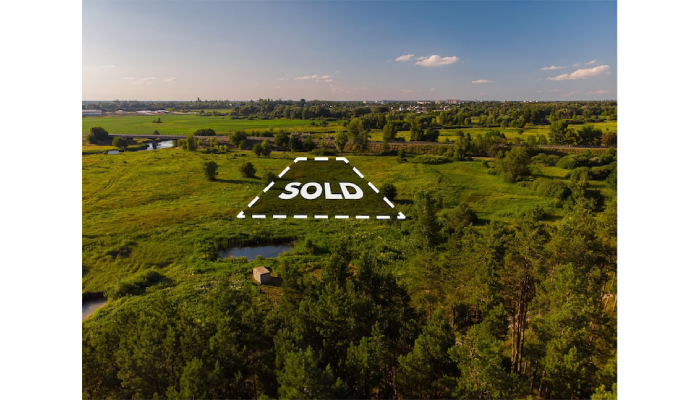
Finding the ideal land for sale in Florida can be an exciting yet challenging journey. To navigate this vibrant real estate market, start by understanding the diverse landscapes available, from stunning waterfronts to serene rural properties. Consider important factors like location, zoning regulations, and environmental concerns to ensure your investment aligns with your goals. Research top counties such as Clay, Washington, and Marion for particular insights on pricing and growth opportunities. Engage with real estate professionals who specialize in land sales; their expertise will guide you through negotiations and local regulations easily. Remember to conduct thorough due diligence, confirm ownership, check property taxes, and understand financing options before making a decision that could transform your life!
1. Explore Florida’s Diverse Land Options
Land for sale in Florida is a treasure trove of land options, offering everything from stunning waterfront properties to serene rural farmland and enchanting forested areas. Whether you’re drawn to the vibrant life of urban centers like Orlando and Miami or the tranquil charm of the countryside, there’s something for everyone here. The state is also home to incredible ecosystems, such as the Everglades, which appeal to nature lovers and conservationists alike.
The diverse landscapes, ranging from sun-kissed beaches to rolling hills, provide thrilling recreational opportunities, whether it’s fishing, hiking, or simply enjoying a sunset by the water. Counties like Lee and Collier are particularly noteworthy, known for their breathtaking beaches and bustling tourist attractions, making them prime real estate hotspots.
When considering a purchase, think about the lifestyle you envision, whether it be urban, suburban, or rural, as each offers unique benefits. It’s essential to look for properties that allow for various uses, such as agriculture, residential, or commercial development, to ensure your investment aligns with your goals.
The climate in Florida also plays a significant role in land value and usability, especially for outdoor activities. Plus, exploring areas with potential for future growth can yield impressive returns on investment. Don’t forget to research local attractions, schools, and amenities, as these factors can greatly enhance your property’s value.
2. Essential Factors for Buying Land
When diving into the process of buying land in Florida, it’s vital to consider several essential factors to ensure you’re making the right choice. First, start by checking local zoning laws. These regulations dictate how you can use the land, whether for residential, agricultural, or commercial purposes, which can significantly impact your plans. Next, researching the land’s topography and soil quality is crucial, especially if you have dreams of farming or building your dream home. A flat, well-drained lot can make all the difference.
Additionally, investigate access to essential services like roads, water, and electricity, as these can affect not only your property’s value but your day-to-day living as well. Environmental factors should also be on your radar; areas prone to flooding or those located within protected zones may limit your development options. Understanding local real estate trends and property values can provide insights into your investment’s potential appreciation.
Keep an eye on future developments in the area, as they can either positively or negatively affect your property’s value. For example, if a new shopping center is planned nearby, it could boost your investment, but if a factory is moving in, it might deter potential buyers in the future. Furthermore, familiarize yourself with the costs associated with land ownership, including property taxes and maintenance, to avoid any surprises later on.
Finally, consider the size and shape of the lot. Ensure it aligns with your needs, whether you envision a sprawling garden or a compact home. Engaging with current property owners in the area can offer invaluable insights about living there, while reviewing any existing easements or rights of way will clarify what may impact your use of the land. By taking these factors into account, you’ll be well on your way to making a sound investment in Florida’s diverse real estate landscape.
- Check local zoning laws to understand what you can and cannot do with the land.
- Research the land’s topography and soil quality, especially if you plan to farm or build.
- Investigate access to essential services like roads, water, and electricity, which can affect your property’s value.
- Consider environmental factors like flood zones or protected areas that may limit development.
- Evaluate local real estate trends and property values to make informed decisions.
- Look into future developments in the area that may affect your investment positively or negatively.
- Understand the costs associated with land ownership, including property taxes and maintenance.
- Assess the size and shape of the lot, ensuring it meets your needs for building or farming.
- Seek advice from property owners in the area to gain insights about living there.
3. Top Counties for Land Purchase in Florida
Florida is teeming with opportunities for land buyers, especially in some standout counties. Clay County is on the rise, offering a median price of $16,500 per acre, making it an attractive option for those seeking proximity to Jacksonville and its amenities. If you are looking for affordability, Washington County shines with prices around $5,400 per acre. This county is perfect for nature lovers, boasting ample outdoor activities and natural beauty. Meanwhile, Marion County is a hotspot for growth, featuring diverse land options at a median price of $10,300 per acre, catering to those who want a blend of rural and urban living.
For those desiring more space, Baker County presents large tracts of land for rural living at about $6,700 per acre, ideal for families looking to escape the hustle and bustle. On the other hand, Hendry County is a dream for agricultural enthusiasts, with land priced around $5,100 per acre, perfect for farming ventures. Collier County offers a luxurious lifestyle, home to Naples and stunning beaches, making it a great investment area. If waterfront properties are what you seek, Charlotte County is rapidly growing and boasts desirable locations.
Lake County is known for its scenic lakes and family-friendly atmosphere, with reasonable land prices that attract buyers. Lastly, Osceola County combines urban development with natural beauty, close to Orlando, making it appealing for both residential and investment purposes. Don’t forget about Flagler County, recognized for its coastal charm and low-density living, with competitive pricing that invites buyers looking for tranquility.
4. Conduct Thorough Research and Due Diligence
When you’re eyeing a piece of land in Florida, thorough research and due diligence are your best friends. Start with a comprehensive title search to uncover any potential legal issues or liens on the property. This step is crucial, as it ensures that the land you’re interested in is free and clear for you to purchase. Next, verify the seller’s identity and ownership to protect yourself from any scams that might lurk in the real estate market.
Don’t forget to check property tax records. Understanding the annual costs and any outstanding taxes can save you from unexpected financial surprises down the road. Additionally, be aware of any restrictions imposed by local homeowners associations or covenants that could limit what you can do with your property.
To clarify property boundaries and identify potential encroachments, ordering a land survey is essential. This step helps you know exactly what you’re buying. While you’re at it, research local crime rates and community safety to ensure that your investment is not only profitable but also secure.
Connecting with local government offices can provide insights into upcoming changes that may affect the property, such as new developments or zoning changes. It’s also wise to explore the history of the land, including any past usage or environmental issues that could impact your future plans. Lastly, don’t hesitate to connect with local residents; they can offer invaluable insights into the community and lifestyle, giving you a feel for whether it’s the right fit for you. Investigating potential future developments in the area can also give you a glimpse into how property values might change over time. All these steps will help you make a well-informed decision and feel confident in your land purchase.
5. Understanding Financing Options for Land
Deciding how to finance your land purchase is a crucial step that can significantly impact your investment. First, think about whether you prefer a cash purchase or financing. Cash transactions can be quicker and more straightforward, but financing opens up more opportunities to invest without depleting your savings. If you opt for a loan, be prepared for higher interest rates and shorter repayment terms compared to traditional home loans.
Look into specialized land loans, especially if you’re considering rural properties; these can sometimes have more favorable terms. If building is in your plans, construction loans that cover both land and building costs may be the way to go. On the other hand, seller financing can be an attractive option, allowing you to negotiate terms directly with the seller, which might be more flexible than traditional lenders.
It’s also wise to consult local banks and credit unions for competitive rates on land loans. They often have tailored products for land buyers, which can lead to better financing solutions. Make sure you know the down payment requirements, as they can vary widely based on the lender and the type of loan.
Your credit score will play a critical role in securing favorable financing options, so checking it beforehand can help you understand where you stand. If you feel overwhelmed by the complexities of financing, consider working with a financial advisor to guide you through the process. Finally, don’t overlook closing costs, which can add to your overall expenses. Knowing all these factors can empower you to make informed decisions on how to finance your land purchase.
6. Partnering with Real Estate Experts
Finding the perfect piece of land in Florida can be challenging, but partnering with real estate experts can make a world of difference. Start by connecting with a local real estate agent who specializes in land transactions. These professionals bring valuable insights about the market and can help identify properties that align with your specific needs and preferences. Their knowledge of local pricing trends and zoning regulations can also be instrumental in negotiating favorable terms. To find a reputable agent, ask friends for recommendations or check online reviews.
In addition to an agent, consider working with a real estate attorney to ensure all legal documents and contracts are properly handled. This extra layer of expertise can provide peace of mind and protect your investment. For those eager to learn more about the buying process, local real estate seminars and workshops can be invaluable, offering tips and guidance from experienced professionals.
While browsing real estate websites and platforms, keep an eye on listings and prices to familiarize yourself with the market. Staying updated through newsletters or community boards can also provide insights into local trends. Networking with other land buyers can yield practical advice and firsthand experiences that can be incredibly helpful. Don’t forget to ask your agent about local zoning laws and regulations, as these can significantly impact your land purchase decisions.
7. Building Considerations on Your New Land
Before you start building on your new land in Florida, it’s crucial to understand local building codes and regulations. This knowledge helps you avoid costly fines and ensures that your construction meets safety standards. Make sure to check what permits are required for your project, as failing to obtain the necessary approvals can lead to delays and legal issues.
When it comes to materials, Florida’s climate demands special attention. Opt for building materials that can withstand hurricanes, like reinforced concrete or impact-resistant windows, to protect your investment. Additionally, consider energy-efficient designs that not only lower your utility bills but also lessen your environmental impact, making your home more sustainable.
Landscaping is another vital aspect. Choose plants that thrive in Florida’s unique ecosystem and can endure its weather extremes. Native plants are great options, as they require less maintenance and water. Think ahead about your building’s design, too; planning for future expansions or modifications can save you time and money down the road.
Consulting with local builders is a smart move, as they understand the specific challenges of construction in Florida, including the need for proper drainage and erosion control during the rainy season. Finally, don’t forget about outdoor living spaces. Florida’s beautiful weather is perfect for patios, decks, or even a pool, allowing you to fully enjoy your new property.
8. Common Questions About Buying Land
When buying land in Florida, you probably have many questions. One of the first things to consider is the average cost of land in your desired area. Prices can vary widely, often influenced by location, size, and features. For instance, rural land might average around $8,400 per acre, but you could find more affordable options in counties like Washington, where prices hover around $5,400 per acre.
Next, you might wonder how long the buying process typically takes. If you’re making a cash purchase, the transaction can close in as little as 30 days. However, financed purchases might take longer, so it’s crucial to plan ahead.
Understanding the utilities available is another essential factor. You’ll want to research local providers for electricity, water, and phone services to ensure you can access these basic necessities.
Zoning restrictions are also vital; knowing what you can and cannot do with the property can shape your plans significantly. For example, if you intend to build, verifying building permits and zoning regulations is necessary to avoid future headaches.
Property taxes are another consideration. Investigating historical tax rates can give you an idea of what to expect financially and whether there might be potential increases.
Additionally, it’s wise to check if the land lies in a flood zone. Reviewing FEMA maps can help you understand the flood risk and obtain necessary insurance, protecting your investment.
Environmental concerns should not be overlooked, either. Investigating any protected species or wetlands can save you from complications later on.
Finally, if you think you might want to sell the land in the future, it’s important to understand local market trends. This knowledge will help you ensure a good return on your investment. And if you need a reliable land surveyor, don’t hesitate to ask local real estate agents or community forums for recommendations.
9. Advantages of Investing in Florida Land
Investing in Florida land comes with a plethora of advantages that can make it an enticing opportunity. One of the standout benefits is the absence of state income tax, which enhances the financial appeal of property ownership. This allows investors to keep more of their earnings, providing additional resources for development or personal enjoyment. With Florida’s population continuing to grow, the demand for land is on the rise, driving property values higher over time.
For those interested in agricultural opportunities, investing in rural land can lead to significant tax exemptions, which can help lower overall costs. Florida’s geographical diversity is another major plus; whether you’re seeking waterfront property or sprawling rural acreage, there’s something that can meet your lifestyle and investment goals.
Outdoor enthusiasts will appreciate the abundance of recreational options available, from lush parks to stunning beaches, making Florida a prime spot for vacation homes or retirement retreats. The state’s climate is perfect for year-round activities, which enhances the appeal of owning land here. Additionally, as a popular tourist destination, Florida offers potential rental income opportunities, especially in high-demand areas.
Many regions are also experiencing rapid development, which promises the potential for increased property values in the future. Access to natural wonders, beaches, and parks only adds to the desirability of Florida land as an investment. Ultimately, owning land in Florida can provide long-term financial security and numerous wealth-building opportunities, making it a savvy choice for investors.