
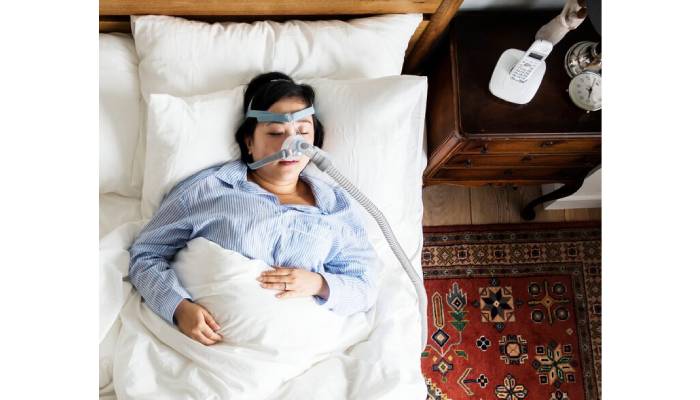
Reading your at-home sleep apnea test results can be a revealing experience. First, focus on the Apnea Hypopnea Index (AHI), which indicates how many times your breathing stopped or became shallow per hour during sleep. An AHI below 5 is normal, while higher values suggest varying degrees of severity. Next, check your oxygen desaturation levels to see how low they fell during the night; lower numbers can signal issues that need attention. The summary diagnosis will highlight the presence and severity of apnea along with treatment recommendations from your doctor. Discussing these findings with a healthcare professional ensures you understand your condition and next steps clearly!
1. Understanding Your At-Home Sleep Apnea Test
The at home sleep apnea test is designed to evaluate your breathing patterns and overall sleep quality while you slumber. Typically, this involves wearing a device that tracks your breathing and oxygen levels throughout the night. One of the primary benefits is convenience, as these tests are usually more accessible and less expensive than traditional in-lab studies, allowing more patients to get the help they need. Before the test, you might fill out a sleep questionnaire, providing context about your sleep habits and health history.
To ensure you get accurate readings, it’s essential to fit the device correctly according to the provided instructions. Ideally, the test should last the entire night, capturing a complete overview of your sleep patterns. Some devices even monitor your heart rate along with your breathing, giving a broader picture of your sleep health. Remember to follow any pre-test instructions, such as avoiding alcohol or certain medications that might interfere with your sleep. After completing the test, the data collected will be sent to a healthcare professional for analysis, helping you understand the process of diagnosing and treating sleep apnea.

2. Key Metrics: Apnea Hypopnea Index (AHI) Explained
The Apnea Hypopnea Index, or AHI, is a crucial piece of the puzzle when it comes to understanding your sleep apnea. This score gives doctors a clear view of how severe your condition is by counting the number of apneas, which are complete pauses in breathing, and hypopneas, which are partial blockages, per hour of sleep. The AHI is calculated by dividing the total number of these events by the total hours you slept, resulting in an hourly rate that helps classify the severity of your sleep apnea.
A higher AHI score indicates more disturbances during sleep, leading to increased health risks. For instance, an AHI of less than 5 is typically considered normal, while scores of 5 to 14 indicate mild sleep apnea, 15 to 29 signify moderate, and 30 or higher is classified as severe.
To truly understand your AHI results, consider keeping a sleep diary. This can help you correlate your AHI with how you feel during the day, potentially revealing patterns that are important for your healthcare provider. Monitoring your AHI over time can also assist in assessing the effectiveness of any treatment or lifestyle changes you are implementing.
It’s worth noting that different sleep disorders can influence your AHI, so discussing any other conditions with your provider is essential. Patients with a higher AHI often experience increased daytime sleepiness and other symptoms, underscoring the necessity for effective treatment. Regular follow-ups to evaluate changes in your AHI after starting treatment can empower you to take control of your sleep health.
3. Interpreting Oxygen Desaturation Levels
Oxygen desaturation levels are crucial indicators of how well your body is securing oxygen during sleep, a key component for your overall health. If your levels drop below 90% during the night, this can signal significant health risks over time, such as heart disease. Monitoring these levels helps you understand the severity of your sleep apnea and whether you need to seek intervention. For instance, a sudden drop in oxygen levels can point to an apnea event, so it’s vital to pay attention to patterns in your readings.
Desaturation levels can also vary based on your sleep position, so understanding this can aid in managing your symptoms effectively. For example, some individuals may experience more significant drops in oxygen when sleeping on their backs. If your oxygen levels are consistently low, your healthcare provider may recommend oxygen therapy to improve your condition. Keeping track of these levels empowers you to make informed decisions about your treatment options.
Discussing your findings with your doctor can reveal useful insights into potential lifestyle changes or therapies that could enhance your sleep quality. Moreover, it’s essential to keep in mind that other health issues may also affect your oxygen levels, making it crucial to consider your overall health picture when interpreting your results. Being aware of your oxygen levels may even motivate you to stick to prescribed treatment protocols, reinforcing the importance of this metric in your journey towards better sleep.
4. What Your Test Report Includes?
Your test report will typically begin with an overview section that summarizes your diagnosis and any recommended treatments. This gives you a clear snapshot of your sleep situation right from the start. Following that, the technical measurements section dives into the details, providing a breakdown of your sleep stages and disturbances, which is essential for understanding your overall sleep quality.
One key metric to look for is the Respiratory Disturbance Index (RDI). This index includes not just apneas and hypopneas but also other disturbances that can affect your sleep. Additionally, your report will highlight how much time you spent in different sleep stages, including REM and deep sleep, both of which are vital for recovery and feeling rested.
It’s also important to check for any notes regarding the quality of the data recorded during your test. Poor data quality can impact the accuracy of your diagnosis, so this is an area to pay attention to. Many reports include graphics or charts that visually represent your sleep data, making it easier to grasp the information at a glance.
Understanding the context of your report is crucial for effective communication with your healthcare provider. You might find recommendations for lifestyle changes or further testing based on your results, and keeping a copy of your report for future reference is a smart move, especially if you decide to switch healthcare providers. A well-understood report can enhance your engagement in your treatment plan, empowering you to take charge of your health.
- Your report will typically start with an overview section summarizing your diagnosis and any recommended treatments.
- The technical measurements section provides a detailed breakdown of your sleep stages and disturbances, crucial for understanding your sleep quality.
- Look for the Respiratory Disturbance Index (RDI) in your report, which includes other disturbances beyond AHI.
- The report often highlights how long you spent in different sleep stages, including REM and deep sleep, which are vital for recovery.
- Check for any notes about the quality of the data recorded; poor data quality can affect the accuracy of your diagnosis.
- Your report may also include graphics or charts that visually represent your sleep data, making it easier to comprehend.
- Understanding the context of your report can help you communicate effectively with your healthcare provider.
- You may find recommendations on lifestyle changes or further testing based on your results in the report.
- Keep a copy of your report for future reference, especially if you switch healthcare providers.
- A well-understood report can enhance your engagement in your treatment plan.
5. Types of Sleep Apnea and Their Implications
Understanding the different types of sleep apnea is crucial for managing your condition effectively. Obstructive sleep apnea (OSA) is the most prevalent form, often associated with obesity and lifestyle choices like smoking or excessive alcohol consumption. This type occurs when the muscles in your throat relax excessively during sleep, blocking your airway. On the other hand, central sleep apnea is less common and arises when your brain fails to signal the muscles that control breathing. This can happen in individuals with certain neurological disorders.
Mixed sleep apnea combines elements of both obstructive and central apnea, making it a bit trickier to diagnose and treat. Each type has unique causes and symptoms, so recognizing what you’re experiencing is essential. For instance, while OSA might lead to loud snoring and gasping during sleep, central apnea might not produce these sounds, which can complicate self-diagnosis.
Discussing your specific symptoms with your healthcare provider is vital for an accurate diagnosis. Your doctor might also consider your family history, as genetics can increase your risk of developing sleep apnea. Understanding the type of apnea you have can guide you toward appropriate lifestyle changes or treatment options, whether that’s using a CPAP machine, oral appliances, or other interventions. Additionally, being aware of the type of apnea can empower you to take charge of your health, ensuring you select the best management strategies tailored to your needs.
6. Additional Metrics to Note in Your Report
When reviewing your sleep apnea test results, it’s essential to consider additional metrics that can provide deeper insights into your sleep health. The Oxygen Desaturation Index (ODI) is one such metric, revealing how frequently your oxygen levels dipped during sleep. For example, if you have a high ODI despite a low Apnea Hypopnea Index (AHI), it may indicate other underlying issues affecting your oxygenation.
Pulse rate statistics are also valuable; they show how your heart rate responds to apnea events. A sudden spike in pulse rate may indicate your body’s distress during these episodes. Additionally, keep an eye on your REM sleep percentage. If your percentage is lower than expected, it could suggest poor sleep quality, even if your AHI is within normal limits.
Also worth noting is the amount of time you spent awake during the night; this can significantly impact how you feel the next day. If you find yourself awake for long periods, it could explain feelings of fatigue or unrest. Variations in metrics across different sleep stages can reveal specific issues that might need addressing. For instance, a high number of apneas occurring during REM sleep may point to particular interventions needed for that stage.
A detailed report may also assess your sleep efficiency, indicating how much time you actually spent sleeping versus lying awake in bed. Tracking changes in these metrics over time is crucial, as it helps you and your healthcare provider refine your treatment plan based on your progress. Lastly, comparing your results with normal ranges allows you to gauge where you stand in relation to healthy sleep patterns. If anything seems concerning or unclear, don’t hesitate to ask your provider for clarification; understanding these additional metrics gives you a comprehensive view of your sleep health.
7. Recognizing Position-Dependent Apnea
Position-dependent apnea is a fascinating aspect of sleep apnea that many people overlook. Some individuals may find that their apnea events spike significantly when they sleep on their back, a condition known as supine position apnea. The good news is that simply changing your sleep position can lead to a dramatic reduction in these events. Positional therapy is a common approach that encourages side sleeping, which can greatly improve airflow and reduce the frequency of apneas. There are special pillows and devices designed to help you maintain this position throughout the night.
To determine if this is relevant for you, it’s essential to discuss your sleep position with your healthcare provider. Keeping a sleep diary can also be a valuable tool in identifying patterns related to your sleeping position and apnea events. By noting when you sleep on your back versus your side, you might uncover correlations that can inform your treatment plan.
Being aware of position-related apnea can empower you to take proactive steps toward better sleep quality. Research shows that positional therapy can significantly lower the Apnea Hypopnea Index (AHI) for some patients, leading to improved overall health. Incorporating lifestyle changes that promote side sleeping, like using a body pillow or adjusting your mattress, can be an effective strategy alongside other treatments. As you experiment with different sleeping positions, be sure to communicate any changes in your symptoms to your healthcare provider. Adapting your sleep position is a simple yet powerful tool in managing sleep apnea, and it can lead to a more restful night.
8. Treatment Recommendations Based on Results
Treatment recommendations depend on the severity of your sleep apnea as shown in your test results. For moderate to severe cases, Continuous Positive Airway Pressure (CPAP) therapy is often the first-line treatment. This method helps keep your airway open during sleep by delivering a steady stream of air. If your results indicate mild to moderate apnea, you might be offered an oral appliance. This device is a less invasive option that fits comfortably in your mouth, helping to keep your airway open.
Lifestyle changes can also play a significant role in managing sleep apnea symptoms. Simple adjustments like losing weight, exercising regularly, and avoiding alcohol can greatly improve your sleep quality. In more severe cases, surgical options may be considered, particularly if there are anatomical issues that obstruct airflow.
It’s essential to have regular follow-ups with your healthcare provider to monitor how well your chosen treatment is working. They can help you navigate through the various options available, ensuring that you find what best suits your lifestyle and comfort level. Keep in mind that different approaches work for different people, so being open to trying new methods can lead to better outcomes. Staying engaged in your treatment plan is crucial, as it can significantly enhance your quality of life. Understanding your treatment options empowers you to make informed decisions about your health.
9. Steps to Interpret Your Test Report
Start by diving into the summary section of your test report; it’s like a roadmap to your diagnosis and treatment recommendations. This overview gives you the essential information you need at a glance. Next, turn your attention to the Apnea Hypopnea Index (AHI), which is the key player in assessing the severity of your sleep apnea. It categorizes your condition into none, mild, moderate, or severe, based on how many apneas and hypopneas you experienced per hour of sleep.
As you dig deeper, check out the technical measurements that detail your sleep stages, disturbances, and other relevant metrics. This information paints a fuller picture of your sleep quality. Don’t forget to look for notes regarding the adequacy and quality of the test, since these factors can significantly affect how you interpret your results.
It’s crucial to have an open discussion with your healthcare provider about your findings. They can clarify any confusing points and help you explore your options moving forward. Take note of any lifestyle change recommendations or further testing that might be suggested based on your results; these can be pivotal in managing your condition effectively.
Consider keeping a journal to track how you feel in relation to your test results and any changes you implement in your life. This can provide valuable insights over time. Revisit your report periodically to monitor your progress and make any necessary adjustments to your treatment plan.
Sharing your report with family members can foster understanding and support, which is invaluable in managing a condition like sleep apnea. The more informed you are about your results, the better equipped you will be to take charge of your health and make empowering decisions.