
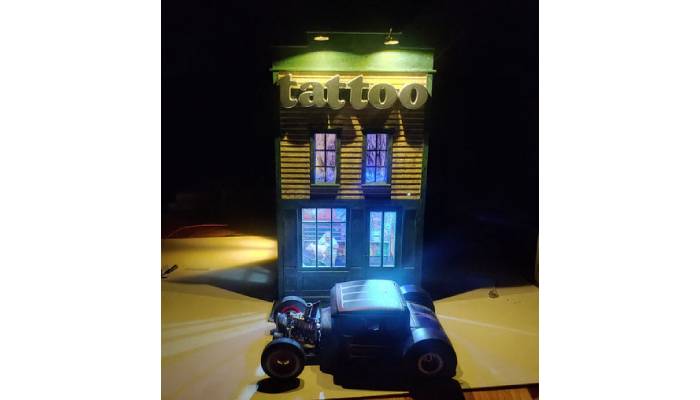
Powering miniature LED lights without wires is both fun and practical! One cool method is using USB-powered LED strips, perfect for connecting to power banks or wall adapters, just remember to use the right cable. For outdoor setups, consider solar panels; they charge during the day, lighting up your space at night effortlessly. If you want something more permanent, hardwiring into fused connections can be great, just make sure to consult a professional. Don’t forget about wireless options like inductive coupling; it’s an exciting way to light things up without any wires at all! Always keep an eye on voltage and polarity to avoid mishaps.
1. Portable Power Banks: Light Up Anywhere
Power banks are a game changer for powering miniature LED lights on the go! These compact devices fit easily in your backpack or purse, allowing you to light up any space without needing a wall outlet. From small power banks that can charge your phone to larger ones capable of powering LED strips for hours, there’s a perfect option for every need. Just charge your power bank beforehand, and you’re ready to illuminate your surroundings anytime, anywhere.
When selecting a power bank, look for models with multiple USB ports. This way, you can power several LED strips simultaneously, making it ideal for events or gatherings. Many power banks also come with built-in LED indicators that show how much charge is left, helping you plan your lighting needs effectively. If you’re someone who values speed, consider a power bank with fast-charging technology, which can rapidly recharge both the bank and the LED strips.
Lightweight and portable, power banks are especially useful for outdoor activities, camping trips, or emergency situations during power outages, providing much-needed peace of mind. Plus, they don’t just stop at powering LED lights; you can also use them to charge your smartphone and tablet, making them a versatile addition to your tech gear. Just remember to choose a power bank with built-in safety features to prevent overheating and overcharging, ensuring a safe and reliable operation.
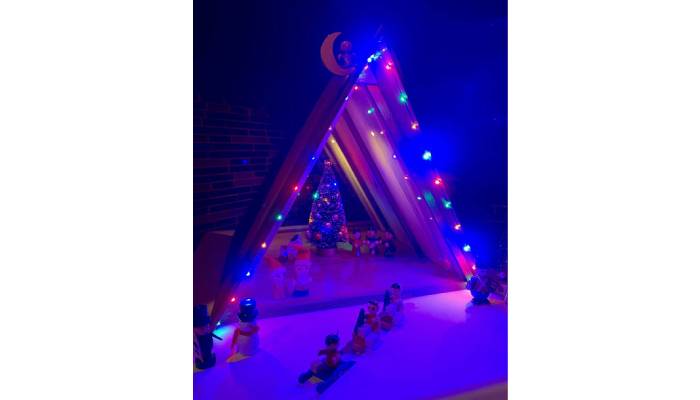
2. Solar Panels: Eco-Friendly Power Source
Solar panels are an exciting way to power miniature LED lights, especially outdoors. They harness energy from the sun, making them an eco-friendly choice that not only lights up your space but also helps save on electricity bills. By installing a solar panel system, your LED lights can operate independently of the grid, giving you more freedom in placement and design. When searching for solar panels, look for those specifically designed for LED lighting; they often come with built-in controllers that enhance efficiency. For optimal performance, position the solar panel in a spot that receives maximum sunlight throughout the day.
Many solar-powered LED solutions also include motion sensors, adding a layer of security and convenience for nighttime use. These setups are perfect for garden lighting, pathway illumination, or even festive decorations, providing endless possibilities to brighten your outdoor areas. Be sure to consider the size of the solar panel based on how many LED strips you want to power and their specific energy needs. Some solar kits even come with rechargeable batteries, allowing you to store power for cloudy days or nighttime use, ensuring that your lights stay bright.
Regular maintenance is key; cleaning the solar panel surface helps maintain high efficiency and optimal energy absorption. Plus, today’s solar panels are designed to be durable and weather-resistant, ready to withstand various environmental conditions. Embrace the power of the sun and transform your outdoor lighting with solar energy!
3. Inverters: Convert DC to AC Power
Inverters play a vital role in bringing versatility to your LED lighting setup by converting DC power, like that from a car battery, into AC power, which many LED strips require. It’s crucial to choose an inverter that matches the voltage needs of your LED lights to prevent any damage. This gives you the freedom to use various power sources, including car batteries and even renewable energy options, making it ideal for camping trips or outdoor setups.
Portable inverters are particularly handy, allowing you to power your lights on the go. When selecting an inverter, consider models that offer built-in protections against overheating and overloading, ensuring your LED lights remain safe. Some inverters come equipped with multiple outlets, enabling you to connect several devices at once, which is perfect for larger projects.
For sensitive electronics like LED lights, opt for inverters with a pure sine wave output, as this provides cleaner power and enhances the lifespan of your lights. Pairing an inverter with battery storage can lead to a sustainable, off-grid lighting solution. If you’re planning a permanent installation, it’s wise to seek professional help to ensure everything is set up safely and efficiently. Additionally, combining inverters with solar panels can create an awesome off-grid lighting system, harnessing the power of the sun for your lighting needs.
4. Extension Cords: Simple Connection Method
Extension cords are a fantastic solution for powering LED strips, especially in larger spaces where outlets may be out of reach. They come in various lengths and styles, which means you can easily find one that fits your project’s needs. When selecting an extension cord, it’s crucial to choose a heavy-duty option if you’re using higher wattage LED strips, as this helps ensure safety and prevents overheating.
One of the best features of extension cords is their flexibility, allowing you to position your LED lights exactly where you want them. This is especially useful for temporary setups, such as during events or parties. If you’re planning to use LED lights outdoors, be sure to select outdoor-rated extension cords, designed to withstand the elements.
Always keep an eye on the total wattage of your connected LED strips to ensure it doesn’t exceed the extension cord’s capacity, which can lead to dangerous situations. Some extension cords even come with built-in surge protectors, adding an extra layer of safety for your electrical devices.
When using multiple extension cords, avoid daisy-chaining them, as this can increase the risk of electrical hazards. Regular inspections for wear and damage are also essential to ensure safe operation. Overall, extension cords offer a quick and easy way to power your LED strips without the hassle of permanent installations.
5. Ribbon Cables: Clean Installation Option
Ribbon cables are a fantastic solution for connecting LED strips to power sources while keeping your setup looking sharp and tidy. These flexible cables come in different widths and pin configurations, ensuring compatibility with various LED strip models. By using ribbon cables, you minimize clutter, which is especially important for visible installations where aesthetics matter. They can be easily cut and reconfigured to fit your specific project needs, offering remarkable flexibility.
To enhance usability, consider adding connectors at the ends of the ribbon cables. This feature allows for easy disconnection and reconnection, which is perfect for troubleshooting or adjustments. Ribbon cables shine when you have multiple LED strips or complex configurations since they can carry multiple connections in one flat cable. Just be sure to choose a ribbon cable rated for the voltage and current of your LED strips to prevent overheating or damage.
Some ribbon cable models even come with adhesive backing, making them easy to mount securely to surfaces. This means you can enjoy a neat installation without the hassle of additional hardware. Whether your project is temporary or permanent, ribbon cables provide a blend of style and function that is hard to beat. With their organized appearance, they simplify troubleshooting, allowing you to access connections without disturbing the entire setup.
6. Wireless Power Techniques: Innovative Solutions
Wireless power techniques are revolutionizing the way we think about lighting, especially for miniature LED lights. One of the standout methods is inductive coupling, which cleverly uses electromagnetic fields to transmit energy without the hassle of visible wires. This method involves inductive coils that need to be perfectly aligned for the energy transfer to work efficiently. By generating a high-frequency oscillating electromagnetic field, power can flow seamlessly from a transmitter to a receiver embedded within the LED light.
This technology shines in scenarios where traditional wiring simply won’t fit, such as in furniture or tight spaces. Imagine having sleek, wireless LED lights tucked away in your living room without any clutter! To get the most out of this setup, it’s wise to opt for low-power LED lights specifically designed for wireless applications, maximizing efficiency and performance. Plus, these wireless systems can easily integrate with smart home setups, opening the door to remote control and automation.
While using wireless power might seem a bit more complex than conventional methods, it offers a cutting-edge approach to lighting solutions. Regular testing and adjustments can ensure optimal performance and energy transfer, making it a reliable choice. As technology continues to advance, we can expect wireless charging for LED lights to become increasingly accessible and practical for everyday use, lighting up our lives in exciting, new ways!
7. Common Mistakes to Avoid: Ensure Safe Setup
When setting up miniature LED lights without wires, avoiding common mistakes is vital for a successful and safe installation. First, always double-check the voltage source. Using the wrong voltage can lead to irreversible damage to your LED strips, so make sure the specifications match up. Checking polarity is equally important; reversing connections may not only prevent the lights from functioning but could also cause damage to the strips. Quality matters too, as investing in high-quality components ensures better brightness and a longer lifespan for your lights.
Improperly cutting LED strips can break the circuit, so always cut at the designated points marked on the strip. Additionally, failing to secure connections properly can increase the risk of short circuits, which can be hazardous. Be cautious about overloading power sources with too many LED strips, as this can lead to overheating and potential fire risks.
Reading the instructions that come with your LED products is crucial; neglecting this step can lead to misinformation and setup issues. Using incompatible connectors or cables can also hinder the performance of your lighting system. Regular maintenance is key, so checking connections and components periodically can help you avoid unexpected issues down the line. Proper planning and organization of your LED setup can prevent many of these common mistakes and ensure a smooth installation process.