
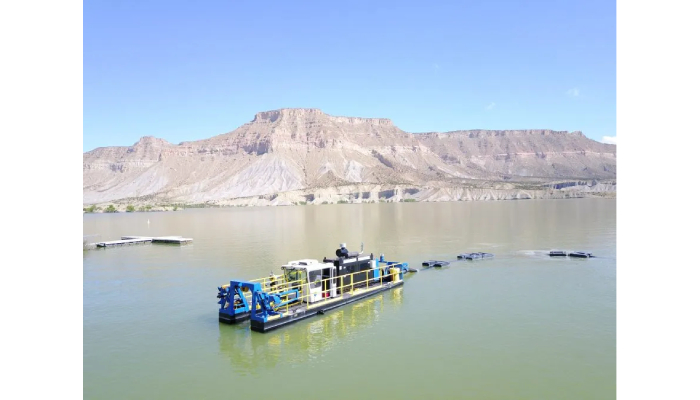
Reducing costs while using a sand dredge is essential for successful project management. Start by carefully selecting the right equipment; an oversized dredger can waste fuel, while an undersized one may slow progress and inflate labor expenses. Regular maintenance, including pre-operation checks and performance monitoring, ensures your equipment operates efficiently. Additionally, optimizing dredging cycles and embracing automation can significantly enhance operational efficiency. Managing labor costs through smart scheduling helps keep expenses in check too. Also, assessing site-specific factors like location and project size allows for better budgeting and cost forecasting. With these strategies in place, you can stretch your budget further while achieving exceptional results.
1. Equipment Selection: Finding the Right Dredger
Choosing the right sand dredge for your project is key to managing costs effectively. Start by considering the specific requirements of the job, such as the depth of water and the type of material you need to dredge. For instance, if you’re working in a confined area, an auger dredger might be more suitable and cost-effective than a larger cutter suction dredger. Also, keep an eye on operational costs, as different models have varying fuel efficiencies and maintenance expenses. Renting equipment can be a smart move for short-term projects, allowing you to avoid hefty upfront costs and only pay for what you need.
Next, assess the dredging environment. Factors like water conditions and surrounding infrastructure can greatly influence your equipment choice. If the area is challenging to access, ensure that the dredger you select is easily transportable to minimize transport costs. Additionally, inquire about operator training, as having skilled operators can optimize the performance of the dredger and enhance safety. It’s also wise to choose brands known for their reliable customer support and parts availability, ensuring you have help when you need it.
Don’t forget to research technological advancements. Investing in newer dredging technologies can lead to improved efficiency and long-term cost savings. Lastly, consider the resale value of the dredger. A model that holds its value well can provide a financial cushion for future projects. Consulting with industry experts can also provide valuable insights into the best dredger for your specific needs, helping you make an informed decision that balances performance with your budget.
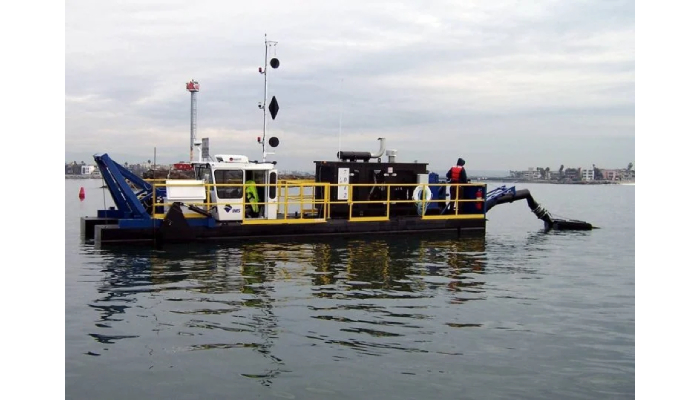
2. Regular Maintenance for Cost Reduction
Regular maintenance is a game changer when it comes to controlling costs in sand dredging operations. First, developing a maintenance schedule based on the manufacturer’s recommendations is crucial. This proactive approach helps you avoid costly breakdowns that can stall your projects. Training your staff on basic maintenance tasks empowers them to handle minor repairs and inspections, which can significantly save on labor costs.
Investing in high-quality parts pays off in the long run. Quality components enhance the durability of your equipment, reducing the frequency of replacements. Implementing a record-keeping system is also essential; by documenting repairs and maintenance activities, you can spot recurring issues and adjust your practices accordingly, leading to even more savings.
Condition monitoring can take your maintenance strategy to the next level. By employing sensors to track equipment health, you can predict failures before they happen, allowing for timely interventions. Keeping spare parts on-site is another smart move. Having critical components readily available minimizes downtime during repairs, ensuring your operations stay on track.
Scheduling maintenance during off-peak hours helps limit disruptions and keeps your project timelines intact. A thorough cleaning protocol is vital too, as regular cleaning prevents corrosion and buildup that could hinder performance and lead to costly repairs. Don’t forget to leverage warranties when applicable, as they can cover some repair and maintenance costs.
Lastly, periodically reviewing your maintenance costs allows you to identify areas for potential savings, ensuring that your dredging operations remain efficient and cost-effective.
- Develop a maintenance schedule: Regularly check equipment based on manufacturer suggestions to avoid costly breakdowns.
- Train staff on basic maintenance tasks: Empower operators to handle minor repairs and inspections to save on labor costs.
- Use quality parts: Invest in high-quality components to enhance durability and reduce replacement frequency.
- Implement a record-keeping system: Document repairs and maintenance activities to identify recurring issues and adjust practices accordingly.
- Utilize condition monitoring: Employ sensors to track equipment health and predict failures before they occur.
- Keep spare parts on-site: Having critical components readily available can minimize downtime during repairs.
- Schedule maintenance during off-peak hours: Plan maintenance activities when equipment is not in high demand to limit disruptions.
- Follow a cleaning protocol: Regularly clean dredging equipment to prevent corrosion and buildup that could hinder performance.
- Leverage warranties: Take advantage of manufacturer warranties to cover repairs and maintenance costs when applicable.
- Review maintenance costs: Periodically analyze expenditures related to maintenance to identify areas for potential cost savings.
3. Improving Operational Efficiency
Improving operational efficiency can significantly reduce costs when using a sand dredge. Start by streamlining workflows. Assess your current processes and eliminate any redundancies. This approach not only saves time but also minimizes labor costs. Implementing GPS tracking is another game changer. This technology enhances navigation and accuracy, which speeds up dredging operations and reduces fuel consumption.
Training staff on efficient practices is crucial. Make sure your crew is aware of best practices for maximizing productivity, and schedule regular briefings to keep them focused on project goals and efficiency targets. Encourage teamwork; a collaborative environment boosts morale and helps crew members support each other, enhancing overall efficiency.
Using real-time data analysis software can help you monitor performance metrics. This allows you to adjust operations on the fly, ensuring that you’re always working at peak efficiency. Don’t overlook the importance of weather conditions; planning operations around favorable weather can help avoid delays and improve work conditions.
Evaluating dredging sequences is another effective strategy. By analyzing the order of operations, you can identify opportunities for optimization. Additionally, collecting feedback from your crew is invaluable for continuous improvement. Their experiences can reveal inefficiencies you might not have noticed. Finally, set performance benchmarks to track progress and identify areas for improvement, ensuring that your dredging operations remain as efficient and cost-effective as possible.
4. Smart Labor Cost Management
Creating a detailed labor budget is essential for controlling expenses on any dredging project. By outlining expected labor costs based on the project scope and timelines, you can gain insight into where your money is going and make informed decisions. Technology plays a crucial role too; implementing scheduling software helps optimize crew schedules and can significantly reduce overtime costs. Cross-training employees is another smart strategy, allowing workers to handle multiple tasks, which enhances staffing flexibility and reduces reliance on specialized labor.
Seasonal hiring is a practical approach as well. Utilizing temporary workers during peak seasons can help manage labor costs effectively without compromising on productivity. Regularly reviewing workforce productivity is vital too; by assessing team performance, managers can identify areas needing improvement and tailor training efforts accordingly. Negotiating contracts with contractors for competitive pricing while ensuring quality work can also lead to savings.
Staying updated on labor laws helps avoid costly penalties and ensures compliance, while evaluating shift patterns can maximize productivity and manage labor costs. Encouraging staff retention by fostering a positive work environment can reduce turnover and the associated training costs of hiring new employees. Finally, using performance incentives, like bonuses for achieving efficiency targets, motivates staff and enhances overall productivity.
5. Handling Materials and Disposal Wisely
Managing the materials you dredge can significantly impact your bottom line. Start by developing a material management plan that outlines how you will handle, store, or even reuse dredged materials. This proactive approach minimizes disposal costs and maximizes resource utilization. Explore recycling options too; many dredged materials can be repurposed, reducing fees associated with disposal.
Assess your transportation methods as well. Selecting the most economical and efficient ways to transport materials can save a lot of money. Consider using technology for tracking quantities and disposal methods, which helps in better management. Software can streamline operations, ensuring you know what materials you have and where they need to go.
Coordinating with local authorities is essential. Understanding regulations regarding disposal can prevent fines and ensure compliance with environmental standards. If it’s feasible, consider on-site storage to eliminate transportation costs altogether. Keeping dredged materials on-site can provide flexibility in planning their future use.
Look for potential reuse opportunities. Dredged materials can serve various purposes, like landscaping, which further reduces disposal needs. Evaluate the proximity of disposal sites too; choosing sites close to your dredging operation minimizes transportation costs as well.
Implementing a waste reduction strategy is another key step. Aim to reduce the volume of materials that require disposal through better planning and execution. Engaging in community partnerships can also be beneficial; local organizations may have innovative uses for dredged materials, turning what could be a disposal headache into a community asset.
6. Site-Specific Factors to Consider
Conducting thorough site assessments is essential for any dredging project. By gathering data on water depth, sediment types, and potential obstacles, you can plan more effectively and avoid costly surprises. Analyzing local environmental conditions is equally important; understanding weather patterns and tides will help you anticipate how they may impact your operations. Reviewing historical data from past dredging projects in the area can provide insights into challenges you may face and help you plan accordingly.
Engaging with local stakeholders is a smart move, too. Communicating with community members and organizations not only addresses concerns but also gathers valuable insights that can influence your project positively. Factor in the accessibility of the site, especially if it’s remote or difficult to reach. Planning for transport logistics early can save you time and money down the line.
Be mindful of seasonal variations as well; weather changes throughout the year can drastically affect dredging schedules and costs. Investigating nearby infrastructure, such as roads and facilities, can reveal how logistics may be impacted, potentially leading to additional expenses. Understanding sediment behavior is crucial, researching how different materials will react during the dredging process can help you avoid complications that could inflate costs.
Don’t forget to consult environmental regulations. Ensuring compliance with local, state, and federal requirements can save you from costly fines and project delays. Finally, always plan for unexpected site conditions. Having contingency plans in place for unforeseen circumstances can keep your project on track and within budget.
7. Effective Budgeting and Planning
Creating a detailed project timeline is key to managing dredging costs effectively. By outlining the phases of the project and allocating your budget accordingly, you can avoid overspending. Use historical data from previous projects to make more accurate cost estimates, ensuring you incorporate every potential expense, from labor to materials and disposal costs. This thorough approach helps to prevent unexpected surprises down the line.
Establishing clear communication channels among your team is vital. Everyone should be informed of budget constraints and project goals to foster a collaborative environment. Regularly reviewing and adjusting budgets is equally important, allowing you to check financial performance against your projections and make necessary adjustments in real-time.
Set specific milestones for expenditure so you can track costs at various checkpoints throughout the project. This method keeps you informed about spending and helps ensure that the project remains within budget. Engaging the entire team in the budgeting process can also yield diverse perspectives and insights, making your financial planning more robust.
Additionally, consider various financing options, such as grants or loans, to help cover project costs. Prioritizing essential expenses ensures that critical areas receive the budget resources they need to maintain progress. Finally, developing a risk management plan to identify potential financial risks and create strategies to mitigate them will prepare you for unforeseen challenges, ultimately leading to a smoother and more cost-effective dredging project.
8. Cost-Saving Tips for Dredging Projects
Planning for efficiency from the start is crucial for any dredging project. By designing projects that minimize waste and maximize resource usage, you can significantly cut costs. One way to achieve this is by looking into bulk purchasing. Buying materials in larger quantities not only ensures you have everything you need but also allows you to take advantage of discounts that can save you a bundle. Additionally, utilizing local resources can be a game-changer. When you source materials and services from nearby providers, you reduce transportation costs, which can pile up quickly.
Setting clear performance goals for your team is another effective strategy. When everyone knows the efficiency targets, they’re more likely to work towards achieving them, ultimately leading to cost reductions. It’s also wise to review contracts thoroughly. Ensuring that all terms are favorable and checking for any hidden costs can prevent unpleasant surprises down the road.
Conducting pre-project meetings can align everyone on project goals and expectations. Clear communication helps avoid miscommunications that can lead to additional costs. Implementing a feedback loop is equally important; creating a system where team members can suggest improvements fosters a culture of efficiency and cost savings.
Evaluating technology options is another avenue to explore. There are many software tools and applications that can enhance productivity at a reduced cost. Moreover, closely monitoring project progress using project management tools can help you track expenses and timelines in real-time, keeping you informed and agile.
Finally, don’t forget to celebrate cost-saving successes. Recognizing your team’s efforts to cut costs can motivate them to continue looking for ways to improve efficiency. By integrating these cost-saving tips into your dredging projects, you can ensure a smoother, more economical operation.