
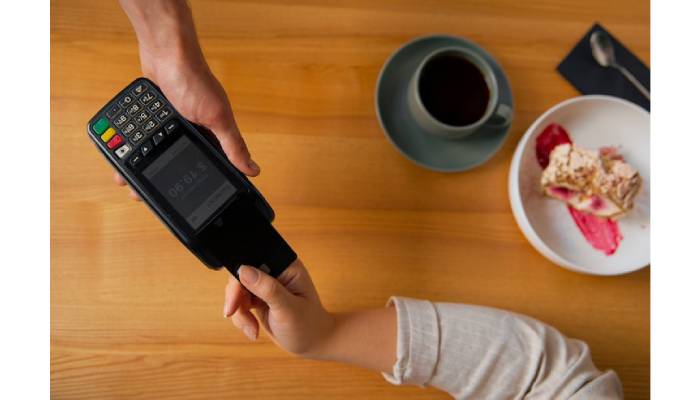
When choosing a card machine for your business, there are five important things to check before you dive into comparisons. First, look closely at the cost structure, including both upfront and ongoing costs like transaction fees and rental agreements. This can save you money in the long run. Next, transaction speed and reliability are essential for keeping customers happy during busy times. Don’t forget to check payment compatibility; your machine should support various methods like contactless payments and digital wallets. Additionally, strong security features are crucial to protect customer data from fraud. Lastly, reliable customer support is important for smooth operations. Consider these factors carefully to make a smart choice that fits your needs.
1. Understand the Cost Structure of Card Machines
When looking into compare card machines, it’s crucial to grasp the cost structure thoroughly. Start by examining the initial purchase or rental costs, as this will help you pinpoint the best deal for your specific business needs. Keep an eye on transaction fees too; some providers might charge a flat rate, while others could use a tiered system where costs vary based on your monthly transaction volume. Don’t forget about hidden costs, which can include setup fees, maintenance fees, and even charges for software updates.
Consider calculating the total cost of ownership by estimating your transaction volume over time. This approach will help you find the most economical solution. Additionally, be aware of any extra fees for particular payment types, such as American Express, which often comes with higher processing costs. Also, check if there are fees associated with chargebacks or disputes, as these can significantly dent your bottom line.
Flexibility in payment plans is another factor to ponder. Can you switch between renting and purchasing? Is there an option to upgrade your machine without incurring penalties? Also, assess the potential for price increases over time, since some companies may adjust fees after an initial promotional period. Finally, understanding the differences between long-term contracts and month-to-month options is vital to ensure that you select what aligns best with your business strategy.

2. Evaluate Transaction Speed and Reliability
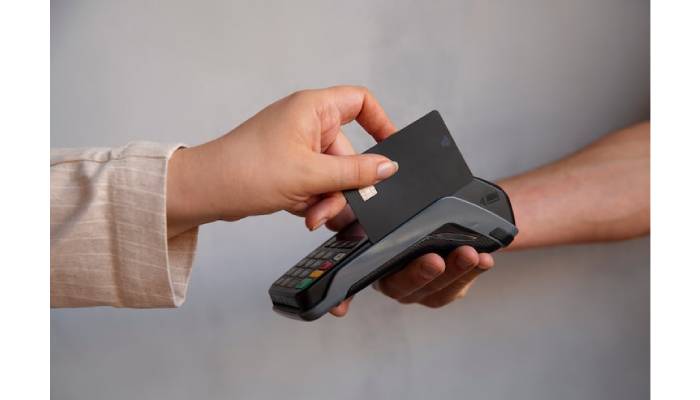
Transaction speed is crucial for keeping customers happy, especially during busy times. A card machine that processes transactions quickly helps reduce wait times, making the checkout experience smoother. For instance, if a customer is waiting too long to pay, they may become frustrated and even decide to leave without making a purchase. It’s also important to check how reliable the machine is during peak hours. Ask about the machine’s average uptime percentage; a reliable machine will have a high uptime, ensuring it works consistently when you need it.
It’s wise to look for user reviews or testimonials, particularly from businesses similar to yours, regarding transaction speed. This feedback can provide insight into how well the machine performs in real-world scenarios. Additionally, consider how the machine deals with network outages or technical glitches. Does it have an offline mode that allows transactions to continue even when the internet is down? This feature can be a lifesaver in maintaining sales during unexpected downtime.
Features that enhance speed, like NFC capabilities for contactless payments, can further streamline the process. Moreover, if you plan to use the machine in mobile or temporary settings, evaluate how quickly it can be set up and packed away. Finally, check how the machine handles various types of transactions, such as refunds and tips, to ensure these processes are simple and quick. If you expect to handle a high volume of transactions, make sure the machine can maintain speed and reliability without slowing down.
- Check processing speed: how long does it take for a transaction to complete? Faster speeds can improve customer satisfaction.
- Determine if the machine works reliably during peak business hours without lag or downtime.
- Ask about the average uptime percentage; the more reliable the machine, the better for your business.
- Look for reviews or testimonials related to transaction speed from other users in your industry.
- Understand how the machine handles network outages or technical failures: does it have an offline mode?
- Consider any features that speed up transactions, such as NFC capabilities for contactless payments.
- Evaluate how quickly the machine can be set up and taken down if used in mobile or temporary settings.
- Review how the machine handles different types of transactions: refunds, exchanges, and tips should all be simple and quick.
- Assess whether the machine can handle large transaction volumes without compromising speed or reliability.
- Check if the machine integrates well with your existing point-of-sale system for seamless operations.
3. Check Payment Compatibility and Features
Make sure the card machine you choose accepts a variety of payment methods, such as credit cards, debit cards, and popular mobile wallets like Apple Pay and Google Pay. This flexibility caters to different customer preferences. It’s also important to confirm that the machine is compatible with major card networks, including Visa, Mastercard, Discover, and American Express. This ensures that you can serve a broader range of customers. If your business attracts international clients, check if the machine supports international payments to accommodate them.
Look for additional features that can enhance the customer experience, such as the ability to process split payments or installments. These options can make your service more appealing, especially for larger purchases. You’ll also want to investigate how easy it is to process refunds or void transactions directly through the machine, which can save time and streamline operations.
Consider whether the machine can generate digital receipts, providing a seamless experience for customers who prefer not to receive paper. A built-in tip feature can also enhance customer satisfaction and potentially increase your sales. Lastly, advanced features like loyalty programs or customer relationship management integration can help you build a stronger connection with your clients. Don’t forget to evaluate how user-friendly the interface is for both customers and employees, as a straightforward design will help minimize training time and operational hiccups.
4. Assess Security Features in Card Machines
Security is a crucial aspect when selecting a card machine for your business. Start by confirming that the machine complies with Payment Card Industry Data Security Standards (PCI DSS), as this ensures customer data is protected during transactions. Look for machines that offer encryption capabilities to safeguard cardholder information. Additionally, features like tokenization replace sensitive data with unique identifiers, adding another layer of security.
Investigate what fraud prevention tools are included. Some machines alert you to suspicious activity or provide chargeback protection, which can be vital for your business’s safety. Make sure to review any security certifications or endorsements from recognized industry bodies to validate the machine’s credibility.
Consider whether the machine supports biometric authentication, such as fingerprint scanning or facial recognition, for enhanced security. It’s also important to evaluate how the machine handles software updates to patch vulnerabilities and maintain a secure environment. Check if it has built-in features to mitigate risks associated with card skimming or cloning.
Look for additional security measures like two-factor authentication for user access, which provides an extra layer of protection. Lastly, ensure there are clear procedures for reporting security breaches or concerns; this minimizes risks and helps maintain trust with your customers.
5. Review Customer Support and User Experience
When choosing a card machine, it’s vital to consider the level of customer support available. Look for providers that offer support 24/7 and through multiple channels like phone, email, and live chat. This accessibility can make a big difference when you encounter issues. Additionally, find out if the support is handled in-house or outsourced, as in-house teams typically provide quicker and more effective responses.
User reviews can also shed light on the effectiveness of customer service in resolving issues. Check for feedback that highlights how well the provider assists its users. It’s also beneficial if the provider offers training resources or tutorials for new users, helping your staff get up to speed with the machine quickly.
Consider the overall user experience as well. Is the interface intuitive and easy to navigate? A well-designed machine can enhance staff efficiency and reduce operational disruptions. Look for customization options that allow you to adjust settings to fit your business needs.
Lastly, check for additional online resources, such as FAQs and forums, that can help you troubleshoot issues independently. Investigate how quickly the company responds to inquiries or technical problems, based on user feedback. These aspects of customer support and user experience can significantly influence the effectiveness of your card machine.
Frequently Asked Questions
What types of card machines are available for businesses?
There are several types of card machines, including countertop, mobile, and virtual terminals. Each type serves different business needs, whether you operate from a physical location, need to accept payments on the go, or want to take payments online.
How do I know if a card machine is compatible with my business?
To ensure compatibility, check if the card machine supports the payment methods your customers prefer, such as credit cards, debit cards, or contactless payments. Also, verify if it can connect to your existing systems, like a point of sale setup.
What features should I look for in a card machine?
Look for features that enhance efficiency, such as fast transaction speeds, reporting capabilities, and customer support. Security is crucial too, so choose a machine that offers encryption and data protection.
How important is customer support for card machines?
Customer support is vital because you’ll want assistance if issues arise. A responsive support team can help resolve technical problems and ensure your machine stays operational, allowing your business to run smoothly.
What involving returns and charges should I verify with the card machine?
Before selecting a card machine, it’s essential to understand the charging process for transactions. Look for information on transaction dispute resolution and any potential fees that could come up in certain situations.
TL;DR Before comparing card machines, check the cost structure, including upfront and ongoing costs, and contract terms. Evaluate transaction speed and reliability to ensure quick processing. Confirm payment compatibility with various methods and features. Assess security features, ensuring compliance with PCI DSS and robust fraud protection. Lastly, review customer support quality and user experience for efficient operation.