
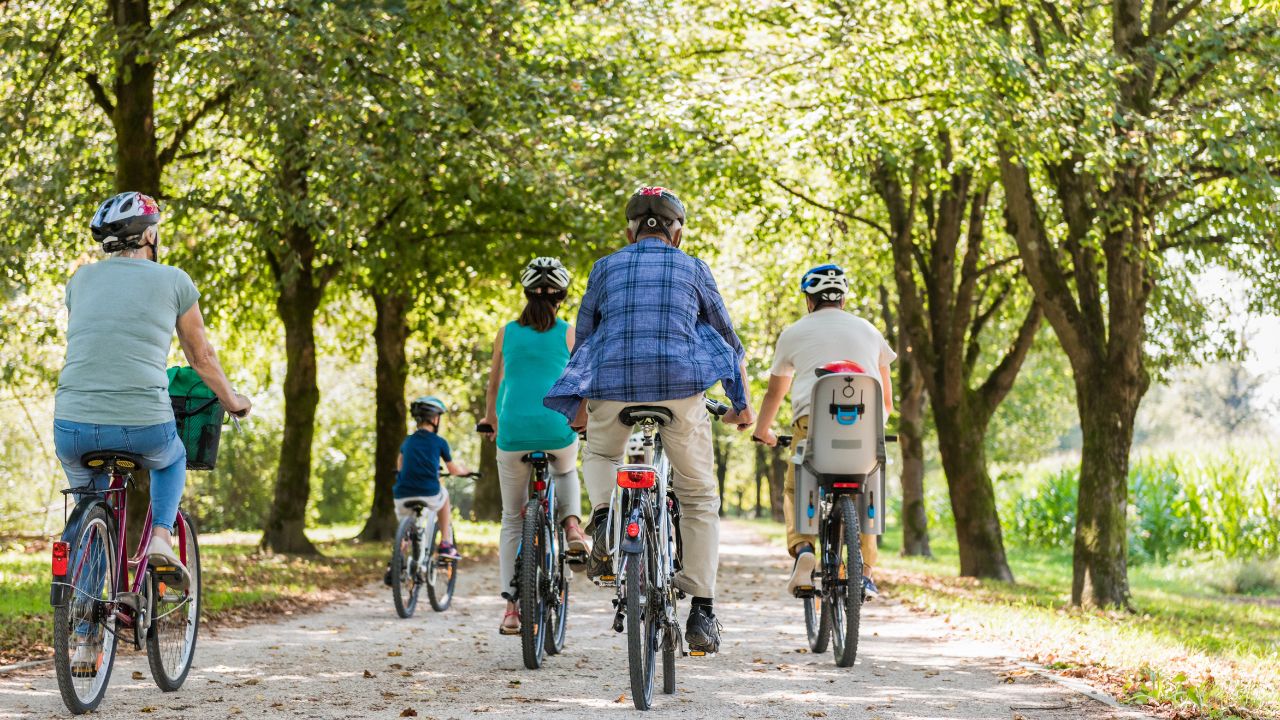
Planning the perfect cycling holiday requires careful attention to numerous interrelated factors, these as a whole create a seamless and enduring experience and the process begins long before you ever buckle into your pedals! Attention to detail at every step can be the distinction between the trip of a lifetime or holiday hell.
Assess Your Level of Fitness and Ability
The first crucial step is a realistic assessment of your cycling experience and level of fitness. This self-assessment is the basis on which all subsequent planning is made. Consider not just your ability to ride a given distance, but how you cope with riding day after day, how you get used to technical parts of the road, and how you deal with variable weather. A bike holiday that challenges you somewhat outside your comfort zone can be exhilarating, but one that exceeds your ability exhausts rather than refreshes. Be realistic about daily mileage that you can handle and still have energy to appreciate your destination.
Decide Where to Go
Your destination is next, and this choice needs to be compatible with both your ability to cycle and your overall travel interests. There are very different experiences across different areas. Tuscany’s rolling hills have soft climbing topped with cultural experience in medieval towns and restaurant-quality cuisine. The Alps or Pyrenees’ stunning mountain roads challenge old-timers with racing greats etched in history by pro racing. Coastal tours offer flat routes with incredible ocean views, and wine country blends moderate cycling with gastronomic exploration. Organise the season well, as climatic trends shape the cyclability deeply. Spring and autumn usually offer ideal temperatures and lesser crowds, yet some of the mountain passes remain closed during summer.
Make a Decision: Guided Tour or Self-Guided
Having selected your destination, decide whether you would prefer a guided or self-guided tour since this choice pretty much dictates your experience. Guided tours provide you with experienced leaders who do the navigating, provide insider information, handle logistics, and provide mechanical support. They provide built-in camaraderie with fellow cyclists and cut out most of the planning. Self-guided tours give you greater freedom and independence. You can vary daily mileages to suit your mood, linger longer at sites of interest, and create your own rhythm. There are also companies that offer supported independent vacations where your baggage is transferred from hotel to hotel and you receive detailed route notes and GPS files, which provide independence and logistical support.
Find Accommodation that Suits Your Needs
Choosing appropriate accommodations is a balance between comfort, location, and price. Town centre hotels provide easy access to restaurants and tourist attractions but may have limited secure bicycle accommodation or cyclist facilities. Hotels in rural areas have quieter sites and such facilities as bike washing and early breakfast, which are preferred by cyclists. Think about whether you’d like to stay in changing locations overnight, which maximizes discovery at the cost of daily packing, or have one or two bases for hub-and-spoke touring, which provides stability and minimizes logistical complexity.
Equipment and Clothing plus Essentials
Equipment choices matter greatly to your comfort and enjoyment. Decide if you’ll take your own bike with you or rent locally. Taking your own bike provides you with familiar gear, ideally matched to your preferences, and having your own bike shipped ahead to your location means you don’t need to take your chances with a rental bike. Another import decision is to choose what clothing to take with you. Layering systems allow for adapting to fluctuating temperatures, and cycling-specific clothing for riding long distances prevents chafing and discomfort. Pack essential spares and tools, or take note of what support services your tour provides.
Plan Your Route
Route planning is the most understated issue. Examine elevation profiles with sensitivity to the fact that cumulative climbing is just as relevant as individual hill length. A route containing numerous short climbs may prove more difficult than one with one sustained ascent. Consider prevailing wind directions since long headwinds turn moderate rides into drudging chores. Strategize meal stops, water breaks, and rest stops. Transfer GPS files to your bike computer or phone and have backup navigation aids since technology fails unpredictably. Include rest days in long tours for time to soak up culture, rest the body, and for unadulterated discovery.
Budget Planning
Financial planning extends to more than obvious costs like accommodation and transport. Allow for food costs, noting that cycling significantly increases caloric expenditure and food charges. Allow for the hire cost of a bike, the cost of taking your bike as excess baggage on a flight, travel insurance covering cycling activities, and mechanical failure or itinerary change backup funds. Most cyclists do not estimate snack costs enough, but maintaining energy levels during riding days means regular refueling between large meals.
Physical Preparation
Physical fitness should not be overlooked, even for quite leisurely tours. Condition yourself progressively by doing regular training rides that build up distance and climbing gradually. Get used to riding multiple days consecutively in order to condition the body to sustained effort. Break in any new equipment well before your trip so agonising surprises on holiday are kept to a minimum. If your tour is serious climbing, incorporate hill training into your conditioning.
Conclusion
Finally, handle expectations realistically but optimistically. Bike rides get held up by unforeseen weather, gear malfunction, or poor road conditions, but these will usually be the memories you’ll ultimately treasure the most. Insert buffer time into your plan for detours and delays. Research local bicycle trails and road conditions with consideration toward traffic patterns, road quality, and driver attitude (which can change widely from region to region). Consult fellow cyclists who have visited your destination on two wheels, gaining useful lessons from their errors. The perfect cycling holiday then depends on your own desire, skill, and interest. Some bikers seek serious mileage and tough routes, while others for relaxed touring with ample opportunity for soaking up local culture. By sensitively weighing each planning consideration, you set the stage for an experience that’s your own concept of cycling heaven, whether climbing mountain summits, coasting through vineyards, or spinning to far-off seaside towns.