
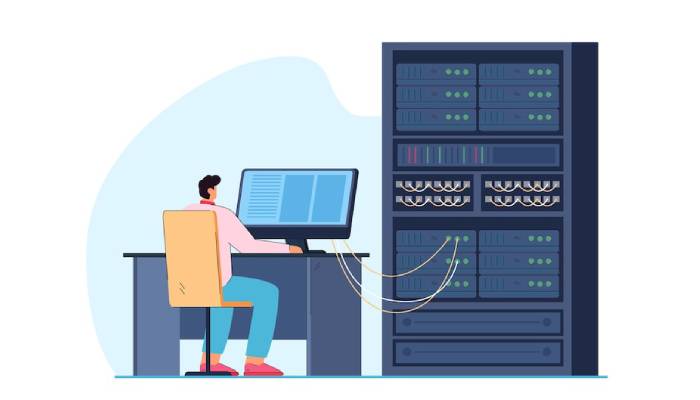
Network Load Balancers (NLBs) bring several benefits to websites, which can greatly enhance overall performance and user satisfaction. First, they allow for better scalability by efficiently spreading incoming traffic across multiple servers, adapting as user demand changes. Second, NLBs improve reliability by quickly rerouting traffic from malfunctioning servers to healthy ones, minimizing downtime. Also, they boost performance through smarter routing that reduces latency and utilizes techniques like SSL termination. Furthermore, NLBs enhance security by acting as a barrier against attacks on backend servers. They also offer content-based routing for tailored experiences and can help save costs while supporting multi-region deployments for global reach. Overall, NLBs make a significant difference in website functionality.
1. Enhanced Scalability with Network Load Balancers
Network Load Balancer (NLBs) play a crucial role in enhancing the scalability of your website. They automatically adjust resources based on traffic patterns, which means that as your user base grows or during busy times, such as product launches or marketing campaigns, NLBs can seamlessly add or remove servers. This flexibility enables horizontal scaling, allowing for optimal resource usage without any manual intervention. For example, if a sudden influx of visitors hits your site, an NLB can distribute the traffic evenly across multiple servers, ensuring that no single server gets overwhelmed. This capability is especially beneficial for businesses that experience fluctuating demand, as NLBs can work with cloud services to allocate resources dynamically. With real-time monitoring, they can even predict traffic trends and prepare in advance, which helps maintain consistent performance. By balancing requests across servers, NLBs not only prevent server overload but also enhance user experience during peak times, allowing businesses to focus on growth rather than worrying about infrastructure limitations.
- Network Load Balancers can automatically scale resources based on traffic patterns, allowing businesses to adapt to changes without manual intervention.
- They enable horizontal scaling, meaning new servers can be added or removed as needed, ensuring optimal resource usage.
- NLBs can handle sudden spikes in traffic, such as during a product launch or marketing campaign, without affecting performance.
- Load balancers can work with cloud services to dynamically allocate resources, making them suitable for fluctuating demand.
- They ensure consistent performance across all servers, even as loads increase, by distributing traffic evenly.
- NLBs can help businesses grow by accommodating more users without requiring significant infrastructure changes.
- With real-time monitoring, NLBs can predict traffic trends and prepare for them in advance, enhancing readiness.
- They can reduce the risk of server overload by balancing requests, which keeps applications running smoothly.
- By providing a buffer against traffic surges, NLBs help maintain a positive user experience during peak times.
- Scalability through NLBs allows businesses to focus on growth and innovation rather than worrying about infrastructure limitations.
 2. Improved Reliability and Fault Tolerance
 2. Improved Reliability and Fault Tolerance
Network Load Balancers (NLBs) significantly boost the reliability of your website by quickly detecting when a server fails and rerouting traffic to functioning servers. This real-time action minimizes downtime, which is vital for keeping users satisfied. NLBs also perform continuous health checks on servers, ensuring that only those performing well receive incoming traffic. This way, if one server becomes overwhelmed or goes down, traffic can be redirected seamlessly, maintaining high availability for your services.
Moreover, NLBs automatically balance the load among healthy servers, preventing any single server from becoming a bottleneck. Their redundancy features mean that even if one server fails, the application remains operational, causing no disruption to users. NLBs use advanced algorithms to analyze server performance, allowing them to adjust traffic flow accordingly. This capability also enables them to integrate with alert systems that notify administrators of issues before they escalate, fostering proactive management.
During routine maintenance, NLBs can redirect traffic, allowing updates to occur without any downtime. They support graceful degradation, meaning that even if some services face issues, others can continue to operate. Overall, by enhancing fault tolerance, NLBs provide a seamless and reliable user experience across your applications.
3. Optimized Performance and Faster Response Times
Network Load Balancers (NLBs) significantly enhance website performance by directing traffic to the least busy servers. This intelligent routing lowers response times for users, especially during peak usage. For instance, when a user requests data from an eCommerce site, an NLB can ensure that the request goes to the server that can respond the quickest, enhancing the overall user experience.
In addition to routing, NLBs can cache frequently accessed data, which reduces the load on backend servers. By serving cached content directly, they accelerate response times, allowing users to retrieve information more quickly. Furthermore, NLBs are equipped to handle SSL termination, offloading encryption tasks from application servers. This means that while security is maintained, the servers can process requests faster, improving the speed at which data is delivered.
NLBs also minimize latency by routing requests based on geographical proximity. For example, if a user in New York is accessing a website hosted in California, the NLB can direct their request to a closer server, ensuring they receive data swiftly. Techniques like connection pooling further enhance performance by reducing the overhead associated with establishing new connections, allowing servers to manage existing connections more efficiently.
Moreover, many NLBs support HTTP/2, which optimizes the way requests and responses are handled. This not only speeds up data transmission but also improves the user experience by allowing multiple requests to be sent simultaneously over a single connection. With these capabilities, NLBs ensure minimal delays, even during high-traffic situations, and can prioritize critical application traffic while throttling less important requests. Overall, by optimizing performance, NLBs contribute to better user engagement and retention rates.
4. Enhanced Security Features of Load Balancers
Network Load Balancers (NLBs) act as a protective barrier between backend servers and the internet, significantly reducing the risk of attacks. By filtering malicious traffic, they help prevent Distributed Denial of Service (DDoS) attacks and other security threats that can disrupt services. For instance, if a sudden surge of traffic aims to overwhelm your application, the NLB can identify and block illegitimate requests before they reach your servers.
Additionally, NLBs have built-in features like IP blacklisting, allowing them to deny access from known malicious sources, which further enhances security. They enforce security policies at the network level, ensuring compliance with industry regulations and standards.
NLBs also support SSL/TLS encryption, which safeguards sensitive data during transmission. This not only protects user information but also builds trust with customers, as they can be assured their data is secure. Moreover, NLBs can integrate with Web Application Firewalls (WAFs), adding another layer of defense against common web vulnerabilities.
For user sessions, NLBs offer mechanisms for session persistence, ensuring that user data remains secure even when servers change. They are also equipped to monitor traffic patterns for unusual activity, alerting administrators to potential breaches. With detailed logs of traffic, NLBs provide valuable insights for audits and security reviews. By enhancing security, NLBs help protect both user data and application integrity, fostering greater confidence among users.
5. Content-Based Routing for Better User Experience
Content-based routing is a powerful feature of network load balancers (NLBs) that allows them to make informed decisions based on the content of incoming requests. By analyzing elements like URL paths or HTTP headers, NLBs can direct users to the most appropriate server, ensuring they access the right resources quickly. For instance, if a user requests an image or a video, the NLB can route that request to specialized servers optimized for media delivery. This not only enhances the application’s efficiency but also improves user satisfaction, as users receive relevant content without unnecessary delays.
Moreover, NLBs facilitate dynamic content delivery, which is crucial for applications that rely on user personalization. By routing traffic based on specific criteria, they can ensure that users get tailored experiences, making applications more engaging. For example, during A/B testing, NLBs can direct different user segments to various server configurations, allowing businesses to experiment with features and optimize performance based on real-time data.
Additionally, NLBs can support multi-tenant applications by directing users to the appropriate server based on tenant information. This capability is vital for organizations that need to manage different user groups efficiently. Furthermore, NLBs can streamline the deployment process by routing traffic to staging environments for testing, enabling faster updates and minimizing disruptions. Through improved routing decisions, NLBs contribute to a smoother and more responsive user experience across a wide range of applications.
6. Cost Efficiency through Resource Optimization
Network Load Balancers (NLBs) play a vital role in helping businesses manage their resources more effectively, leading to significant cost savings. By optimizing the use of existing servers, NLBs enable organizations to avoid unnecessary investments in infrastructure. For instance, during peak traffic periods, NLBs can automatically adjust resource allocation, allowing businesses to scale their operations dynamically and only pay for what they use.
Moreover, NLBs help identify underutilized servers, providing valuable insights that guide better resource allocation. This means companies can avoid over-provisioning, which often leads to wasted resources and inflated costs. Additionally, NLBs support cost-effective cloud solutions, seamlessly integrating with various cloud providers to enhance resource usage.
The predictive scaling feature of NLBs is particularly beneficial, as it allows organizations to prepare for potential traffic spikes without incurring excessive costs. By automating traffic distribution, NLBs reduce the need for manual interventions, further enhancing operational efficiency. In hybrid deployments, NLBs enable businesses to combine on-premises and cloud resources effectively. Ultimately, by improving resource allocation, NLBs help organizations achieve better financial performance, maximizing return on investment. This cost efficiency enables businesses to redirect funds towards innovation and development rather than simply maintaining infrastructure.
7. Support for Multi-Region Deployments
Network Load Balancers (NLBs) are essential for businesses aiming to reach a global audience. By managing traffic across multiple geographic regions, NLBs ensure that users connect to the nearest server, which significantly reduces latency and improves access speeds. This means that whether a user is in New York or New Delhi, they experience fast loading times and responsive interactions. Additionally, NLBs balance loads across different data centers, preventing any single region from becoming overloaded during peak traffic times. This capability not only enhances service availability but also adds a layer of redundancy; if one region faces issues, traffic can be seamlessly redirected to another location, ensuring uninterrupted service.
Moreover, NLBs play a crucial role in compliance with local data regulations by routing user traffic to servers that meet specific legal requirements. This is particularly important for businesses operating in regions with strict data privacy laws. They also support disaster recovery strategies, allowing businesses to reroute traffic to alternative locations during outages, thereby maintaining accessibility for users worldwide. By facilitating the use of Content Delivery Networks (CDNs), NLBs optimize the delivery of static resources, ensuring that users receive content quickly, regardless of their location. Overall, this support for multi-region deployments empowers businesses to enhance the user experience for international audiences, enabling them to expand their reach without sacrificing performance or reliability.
Frequently Asked Questions
How does a network load balancer make my website faster?
A network load balancer distributes incoming traffic across multiple servers, which helps to reduce any one server’s burden. This way, your website can handle more visitors at once without slowing down.
Can a network load balancer help keep my website running during outages?
Yes, if one server fails, a network load balancer can automatically redirect traffic to another working server, keeping your website up and running for users.
Does using a network load balancer improve security for my website?
Absolutely, a network load balancer can shield your web servers from direct exposure to the internet. It can help distribute requests in a way that makes it harder for attackers to target specific servers.
What happens when my website traffic increases suddenly?
A network load balancer can quickly adjust to handle sudden spikes in traffic by spreading the load across several servers. This helps maintain performance even during busy times.
Can a network load balancer work with cloud services?
Yes, most network load balancers are designed to work seamlessly with cloud services. They can manage traffic across both on-premise servers and cloud environments, ensuring scalability and flexibility.
TL;DR Network Load Balancers (NLBs) enhance website performance by distributing traffic, improving scalability, and ensuring reliability. They optimize response times and provide security features, such as SSL termination to protect sensitive data. NLBs also support content-based routing for a better user experience, promote cost efficiency by optimizing resources, and enable multi-region deployments for global accessibility. Overall, NLBs are crucial for maintaining high performance and availability in today’s digital landscape.