
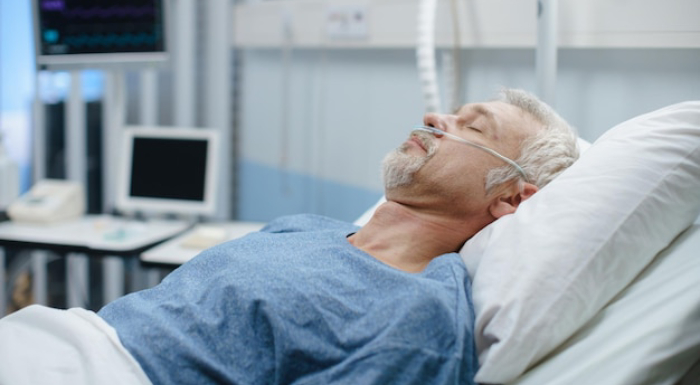
A Home Sleep Apnea Test (HSAT) offers a convenient way to diagnose obstructive sleep apnea (OSA) right from your home. First, you’ll have a consultation with a healthcare provider who will prescribe the test. Once you receive the equipment, which may include a pulse oximeter and nasal cannula, you’ll learn how to set it up before sleeping in your usual environment for one night. The device tracks your breathing patterns and oxygen levels while you sleep. Afterward, experts analyze the data to determine if OSA is present and its severity. This process allows for an accessible evaluation without needing specialized facilities or long wait times.
1. Purpose of Home Sleep Apnea Test
A Home Sleep Apnea Test (HSAT) is specifically designed to identify obstructive sleep apnea (OSA) in individuals who show symptoms like loud snoring, gasping for air during sleep, and excessive daytime drowsiness. By diagnosing OSA, healthcare providers can better understand how sleep apnea affects daily life, enabling them to make informed treatment decisions. For instance, a patient who frequently wakes up with a dry mouth or headache may benefit from early intervention and management strategies tailored to their condition. HSAT also serves to differentiate between various types of sleep disorders, ensuring that patients receive the appropriate care. Moreover, this non-invasive testing option is convenient and helps reduce the burden on healthcare systems by minimizing the need for in-lab sleep studies. It not only enhances patient awareness regarding sleep health and apnea symptoms but also supports research and development in sleep medicine. With HSAT, patients can gain insights into their sleep patterns in the comfort of their own homes, making the process less daunting and more satisfactory.
2. Types of At-Home Tests
When it comes to home sleep apnea tests, there are mainly two types you should know about: Type 3 and Type 4 tests. Type 3 tests are the most comprehensive, capturing multiple parameters such as airflow, blood oxygen levels, heart rate, and breathing effort. Because of their complexity, these tests often require a prescription. On the other hand, Type 4 tests are simpler and typically focus on just one or two metrics, like oxygen levels and heart rate. In some regions, these Type 4 tests may even be available over-the-counter, making them more accessible.
Some modern devices come equipped with smartphone apps, allowing for easy monitoring and tracking of your results. This integration of technology not only enhances the experience but also improves the accuracy of the tests. However, it’s important to note that these tests can vary in sensitivity and specificity based on the type used. Both types aim to provide preliminary data for diagnosing obstructive sleep apnea (OSA), but they differ in the depth of information they deliver. Many tests also include additional features such as snore detection or body position monitoring, which can give more context to your sleep patterns. Consulting with a doctor is crucial to choosing the most suitable type for your needs.
3. Equipment Used in HSAT
During a home sleep apnea test (HSAT), a variety of equipment works together to track your sleep patterns and gather crucial data. One of the most important devices is the pulse oximeter, which clips onto your finger to measure your blood oxygen saturation levels throughout the night. This information helps identify any drops in oxygen that may occur during sleep.
Another essential piece of equipment is the nasal cannula, which consists of two small tubes that fit into your nostrils. This device measures airflow, ensuring that the data on your breathing is accurate. It’s vital that the cannula is fitted properly for the best results.
You will also wear an effort belt, which wraps comfortably around your chest or abdomen. This belt monitors your breathing effort, giving insight into how your body is working to get air while you sleep. Adjusting the belt for comfort is key, as it should not restrict your movement.
Some HSAT devices include a microphone that captures sounds like snoring, providing additional data points that can help clinicians understand your sleep quality. Many portable devices are designed with user-friendly interfaces, making it easy for you to set up and operate them without hassle.
Since the test takes place overnight, having reliable batteries or charging options is essential. Furthermore, some modern systems allow for wireless data uploads, making the analysis process quicker and more efficient. Before starting the test, calibrating the equipment is crucial to ensure all readings are accurate. You will also receive guidance on how to wear and set up each component, ensuring you feel comfortable and informed.
Finally, the durability and comfort of the equipment are important, as HSATs aim to create a natural sleeping experience, allowing for the best data collection possible.
- Pulse oximeters are crucial for tracking oxygen saturation levels during sleep.
- Nasal cannulas must be properly fitted to ensure accurate airflow measurement.
- Effort belts should be adjusted to fit comfortably without restricting movement.
- Microphones can help capture snoring patterns, providing additional data points.
- Portable devices often include user-friendly interfaces for easier operation.
- Batteries or charging options are essential for overnight testing.
- Some systems allow data to be uploaded wirelessly for quicker analysis.
- Calibration of devices is vital to ensure accurate readings before testing.
- Users must be educated on how to properly wear and set up the equipment.
- Durability and user comfort are key factors in equipment design.
4. Procedure for Conducting HSAT
The journey of a home sleep apnea test (HSAT) begins with a preliminary consultation where patients discuss their symptoms and eligibility with a healthcare provider. This step ensures that HSAT is the right choice for them. Once approved, patients receive detailed instructions on how to use the testing equipment, which is designed for simplicity. Setting up the device typically takes less than 30 minutes, allowing patients to feel comfortable and ready for the test.
The test usually takes place over one night, allowing for the capture of natural sleep patterns. It’s crucial for patients to maintain their usual sleep schedule leading up to the test for the most accurate results. However, environmental factors like noise and light can influence the test outcomes, so a quiet, dark sleeping environment is recommended. Data collection kicks off as soon as the patient falls asleep, ensuring that all vital metrics are captured.
Before the test, patients are encouraged to keep a sleep diary, noting their sleep habits and any symptoms they experience. This information can be valuable for healthcare providers when analyzing the results. After the test, data is usually processed within a few days, and follow-up consultations are essential to discuss findings and determine the best next steps.
5. Data Analysis and Results
After conducting a home sleep apnea test, the data collected is uploaded and carefully analyzed by trained healthcare professionals. This step is crucial, as it ensures the accuracy of the results. The findings typically indicate whether obstructive sleep apnea (OSA) is present and can categorize the severity of the condition into levels ranging from mild to severe. For example, a patient with frequent episodes of apnea and significant drops in oxygen levels may be diagnosed with severe OSA, while someone with occasional snoring and minimal disruptions may be classified as having mild OSA.
In some cases, healthcare providers may perform a comparative analysis with results from in-lab sleep studies to confirm diagnoses or assess discrepancies. If the home test results are inconclusive, further testing in a sleep lab may be recommended to provide a clearer picture of the patient’s sleep health. To help patients engage with their results, data visualization tools can illustrate their sleep patterns, making it easier to understand what the numbers mean.
Patients often receive a written report summarizing their findings, which is discussed in follow-up appointments. During these consultations, healthcare providers can outline potential treatment options and recommend lifestyle changes or interventions based on the analysis. Understanding these results is essential, as it empowers patients to actively participate in their healthcare journey.
6. Benefits of Home Sleep Apnea Testing
Home sleep apnea testing (HSAT) brings a host of benefits that can make a significant difference for those seeking answers about their sleep health. One of the standout advantages is the convenience it offers. Conducting the test in the comfort of your own home allows for a more relaxed environment, which can lead to more natural sleep patterns. This familiar setting often reduces anxiety associated with sleeping in an unfamiliar lab, making it easier to capture accurate data.
Flexibility is another key benefit. Unlike traditional sleep studies that require you to schedule an appointment and possibly wait weeks to get in, home testing can often be arranged on your own timeline. This means you can choose a night that fits best with your schedule, allowing for a less disruptive testing process.
Affordability is crucial too. Many insurance plans cover home sleep tests, making them a cost-effective option compared to in-lab studies. This financial accessibility encourages more people to seek help for sleep issues they might otherwise ignore due to cost concerns.
Moreover, home testing can lead to quicker diagnoses and the initiation of treatment. With results typically available faster than those from a sleep lab, patients can start addressing their sleep apnea sooner, which is vital for improving overall health and well-being.
The ease of use associated with HSAT also plays a significant role in encouraging individuals to take action regarding their sleep problems. With simple equipment that can be easily set up and monitored, more people may feel empowered to tackle their sleep issues head-on.
Additionally, home testing minimizes the waiting time for appointments and results. This efficiency not only alleviates the stress associated with waiting but also allows for prompt follow-up and intervention if needed.
Patients often report feeling more in control of their health journey when they conduct tests at home. This sense of autonomy can lead to increased engagement in their health care, fostering a proactive approach to managing their sleep apnea.
Lastly, home sleep tests can help raise awareness about sleep apnea issues, particularly among rural or underserved populations who may have limited access to specialized sleep centers. By providing a practical solution for these communities, HSAT can contribute to a broader understanding and recognition of sleep apnea as a significant health concern.
7. Limitations of Home Sleep Apnea Testing
Home sleep apnea tests, while convenient, come with several limitations that can impact their effectiveness. One major drawback is that these tests may not capture all aspects of sleep, particularly the different sleep stages that are crucial for a complete understanding of sleep quality. Additionally, false negatives can occur due to technical issues, such as sensors coming loose or being improperly used, which can lead to an inaccurate diagnosis. Certain populations, especially those with comorbid conditions or complex health issues, might need more comprehensive lab testing for accurate results.
Another concern is that home tests lack the comprehensive monitoring capabilities available in sleep labs, limiting the data collected to a few parameters, primarily airflow and oxygen levels. This can result in an incomplete picture of the severity of sleep apnea. Moreover, many home tests cannot differentiate between central sleep apnea and obstructive sleep apnea, which are treated differently.
Patients may also misinterpret the results without professional guidance, leading to uncertainty about their condition. This lack of context can be frustrating, especially if the results suggest a diagnosis that requires immediate attention. Lastly, home tests do not provide therapeutic interventions during the study, leaving patients without immediate support if issues arise during the night.
8. Who Should Consider HSAT
Home Sleep Apnea Testing (HSAT) can be a great option for many people. If you’re experiencing symptoms like loud snoring or gasping for air during the night, it’s time to think about getting tested. Excessive daytime sleepiness is another strong indicator that you might need HSAT. Those who are at higher risk due to obesity or age should definitely consider being evaluated. If you have a family history of sleep apnea, you are also a good candidate for this testing.
Furthermore, if you’ve tried making lifestyle changes like improving your diet or increasing exercise but haven’t seen any improvements, HSAT could provide valuable insights. For individuals with limited access to traditional sleep clinics, home testing offers a convenient alternative. Many people prefer the comfort of sleeping in their own bed while undergoing the test, making HSAT an appealing choice. If the thought of an in-lab test makes you hesitant, HSAT can be a less intimidating option.
However, it’s important to consult with your doctor, especially if you are under continuous monitoring for other health issues. While HSAT can be suitable for many, it may not be the right fit for everyone, particularly those with complex health conditions.
9. Next Steps After Testing
After completing a home sleep apnea test, the next steps are crucial for your health journey. A follow-up consultation with your healthcare provider is essential to discuss the test results and their implications. If you’re diagnosed with obstructive sleep apnea (OSA), treatment options might include CPAP therapy, which helps keep your airways open during sleep, or other interventions tailored to your needs. Additionally, lifestyle changes, such as weight loss or positional therapy, may be recommended to enhance your overall sleep quality. It’s important to educate yourself on managing OSA effectively, ensuring you understand the options available for treatment and long-term management. Regular follow-up appointments will help monitor how well your treatment is working, and if your results are unclear, you might be referred for further evaluation. Engaging in support groups can provide extra resources and encouragement as you navigate this journey. Remember, maintaining open communication with your healthcare providers is key, and a long-term management plan may involve periodic re-evaluation of your sleep health to ensure you stay on track.
Frequently Asked Questions
What is a home sleep apnea test?
A home sleep apnea test is a simple way to check if you have sleep apnea. You use a small device at home to record your breathing and sleep patterns while you rest.
How do I prepare for the test?
To prepare for your home sleep apnea test, follow the instructions from your doctor. Usually, you just need to avoid caffeine and alcohol the day before, and make sure you have a good night’s sleep the night of the test.
What do I need to wear during the test?
During the test, you’ll wear a small device that usually goes around your chest, along with a sensor on your finger and a nasal cannula for breathing. It’s designed to be comfortable and won’t stop you from sleeping.
Will I sleep normally during the test?
Yes, you should try to sleep as you usually do. While it might feel a bit different with the devices attached, the goal is to monitor your sleep just like any other night.
When will I get the results of my test?
After the test, your doctor will review the information and let you know the results, usually within a week or two. They will discuss the next steps based on what they find.
TL;DR Home Sleep Apnea Tests (HSAT) are designed to diagnose obstructive sleep apnea in comfort and convenience. There are two main types: Type 3, which measures multiple parameters, and Type 4, focusing on fewer metrics. Equipped with tools like pulse oximeters and nasal cannulas, patients perform the test at home after a consultation with a healthcare provider. Results are analyzed by professionals to determine the presence and severity of sleep apnea. While HSAT offers benefits like cost-effectiveness and accessibility, limitations include potential accuracy issues and unsuitability for certain patients. Those at risk for OSA should consider HSAT, and if diagnosed, various treatment options will be available.