
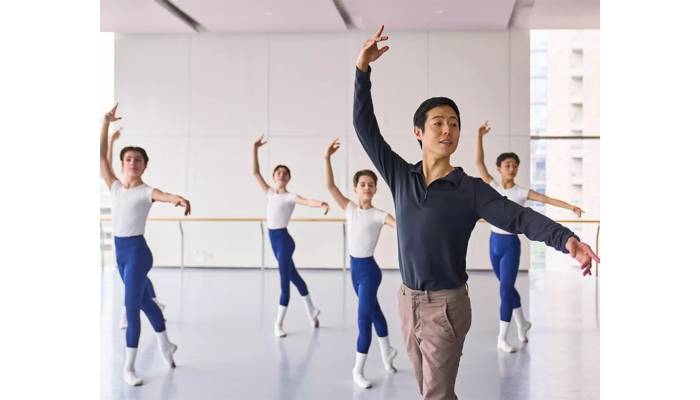
Finding a ballet studio in Toronto for your child can feel like a daunting task, but it’s an exciting opportunity to nurture their passion for dance. Start by looking for studios with qualified instructors who have experience teaching kids and helping them grow. A variety of dance styles is also important, as it keeps classes fun and engaging while promoting versatility in movement. Ensure the environment is positive and supportive, allowing your child to flourish. Smaller class sizes often lead to personalized attention from instructors, making skill development easier. Don’t forget about trial classes; they can help determine if the studio feels right for your dancer.
1. Key Considerations When Choosing a Ballet Studio
When searching for the perfect ballet studio in Toronto, there are several key factors to keep in mind. Start by looking for studios that have a strong reputation within the community. A well-respected studio often reflects a commitment to high-quality education, which is essential for nurturing young dancers. It’s also important to find studios that offer a variety of class times to accommodate family schedules. Flexibility in class offerings can make it easier for you to fit dance into your routine without added stress.
The studio’s location is another vital consideration. A convenient location can greatly reduce the hassle of attending classes, making the experience enjoyable for both you and your child. Don’t forget to research online reviews and testimonials from other parents; they can provide valuable insights into their experiences and help you gauge the studio’s environment.
Visiting the studio to observe a class in action is a crucial step. This firsthand experience allows you to see the teaching style, class dynamics, and whether the atmosphere aligns with your child’s needs. Additionally, inquire about the studio’s philosophy regarding dance education to ensure it matches your values and expectations. A studio that emphasizes a positive and inclusive approach can create a welcoming environment where your child feels comfortable and eager to learn.
Performance opportunities are also significant, studios that regularly hold showcases can indicate a focus on student development. Ask about how often students get to perform, as these experiences can greatly enhance a child’s confidence and skills. Communication is key, so ensure the studio has a clear policy to keep you informed about your child’s progress and any upcoming events.
Finally, look for studios that offer workshops or masterclasses with guest instructors. These special events can enrich your child’s learning experience and introduce them to new perspectives in dance. A studio committed to inclusivity is essential, as a welcoming environment fosters a sense of belonging, making the dance journey all the more rewarding.
- Look for studios with a strong reputation in the community, as this can reflect their commitment to quality education.
- Check for studios that have a variety of class times to accommodate family schedules, making it easier to fit dance into your routine.
- Consider the studio’s location and accessibility, as a convenient location can make attending classes less stressful for both you and your child.
- Research online reviews and testimonials from other parents to gain insights into their experiences with the studio.
- Visit the studio to observe a class in action, which can provide a clear picture of the teaching style and class dynamics.
- Ask about the studio’s philosophy regarding dance education, ensuring it aligns with your values and expectations.
- Inquire about the studio’s performance history and how often they hold showcases, as this can indicate their focus on student development.
- Ensure the studio has a clear communication policy, so you can stay informed about your child’s progress and any upcoming events.
- Look for studios that offer workshops or masterclasses with guest instructors, which can enrich your child’s learning experience.
- Evaluate the studio’s commitment to inclusivity, as a welcoming environment fosters a sense of belonging for all students.
2. Qualified Instructors for Your Child’s Growth
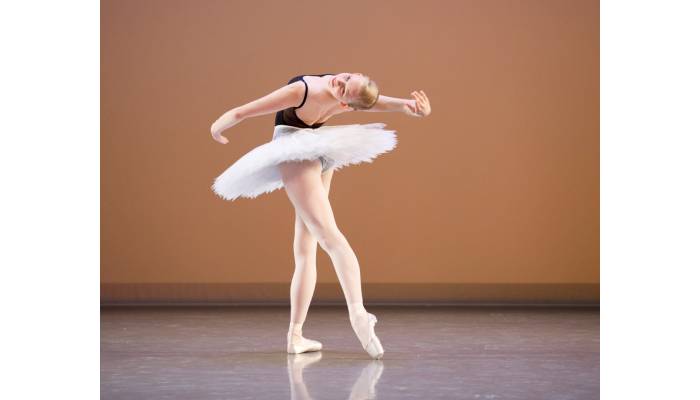
When looking for a ballet studio, the qualifications of the instructors really matter. It’s essential to find teachers who have formal training in ballet and experience in teaching children. This background not only helps them connect with young dancers but also enhances the overall learning experience. Instructors who stay updated by attending workshops or conferences show a commitment to their craft, ensuring that they bring the latest techniques and teaching methods to the classroom.
Passion for teaching is another key quality to look for. Instructors who genuinely love what they do create a nurturing environment where children feel encouraged and excited to learn. Ask about their experience with different age groups; this is important because each stage comes with unique developmental needs, and a skilled instructor can adapt their teaching style accordingly.
Additionally, it’s helpful to know about the instructor’s performance background. This experience can provide valuable insights into their expertise and style, enriching your child’s learning. Instructors who encourage creativity and self-expression allow children to explore their artistic voices, making dance even more enjoyable.
Consistency in teaching staff is crucial too. A stable team helps build trust and familiarity, making your child feel comfortable in their learning environment. It’s worth asking about how instructors handle discipline and feedback to ensure their approach aligns with your parenting style. For peace of mind, check if instructors are certified in CPR / First aid training, as this adds an extra layer of safety for your child. Lastly, instructors involved in the local dance community can bring a wealth of knowledge and networking opportunities, further enriching your child’s dance journey.
3. Variety of Dance Styles to Explore
Choosing a ballet studio that offers a variety of dance styles can keep your child engaged and excited about their dance journey. Look for studios that teach not just ballet but also jazz, tap, and hip-hop. Exploring these different styles can enhance your child’s overall dance technique and adaptability, making them a more versatile dancer. Some studios might even offer special workshops or classes in unique styles, allowing your child to experience new forms of expression.
Incorporating creative movement or improvisation into the curriculum can foster your child’s creativity and spontaneity. This freedom can lead to a deeper understanding of dance as an art form. Furthermore, consider studios that include lessons about dance history and cultural influences, enriching your child’s perspective on the dance world. Performance opportunities in various styles can also broaden their stage experience and boost their confidence.
Encourage your child to try out different dance styles to discover what they enjoy most, as this exploration can inform their future dance journey. Studios that bring in guest instructors from diverse dance backgrounds can provide fresh perspectives and techniques, making every class dynamic and exciting. Look for themed classes or seasonal workshops that offer creative exploration and fun, as these experiences can ignite a lifelong passion for dance. Additionally, partnerships with local dance companies or schools can provide unique learning opportunities, allowing your child to network and grow within the dance community.
4. Creating a Positive Learning Environment
A positive atmosphere in a ballet studio can do wonders for your child’s growth and development. It encourages kids to take risks and express themselves freely, which is essential in dance. Look for studios where instructors prioritize kindness and support, creating a warm community among students. It’s important to choose a place that celebrates individual achievements, no matter how small, as this can significantly boost your child’s self-esteem.
Group activities and projects can foster teamwork and collaboration, making the dance experience even more enjoyable. A nurturing environment not only helps children develop friendships but also enhances their social skills, making dance class a fun and enriching experience. Studios that incorporate games and creative activities into lessons can keep kids engaged and excited about learning, ensuring they look forward to every class.
When assessing a studio, consider how they handle behavioral expectations and promote respect among students. A clear understanding of these elements creates a safe space for everyone. Inquire about their approach to resolving conflicts among students, as a positive resolution process is crucial. Additionally, studios that host social events or gatherings strengthen the bond among families and students, making the community feel more connected. Lastly, an open-door policy for parents allows for transparency and encourages open communication, which can enhance your overall experience.
5. Importance of Class Size and Individual Attention
When it comes to ballet education, class size plays a crucial role in how effectively your child can learn and grow. Smaller class sizes mean that instructors can provide personalized feedback, helping your child refine their technique and skills more efficiently. With a lower student-to-teacher ratio, teachers can closely monitor each student’s progress, offering tailored guidance that addresses individual needs. In a crowded room, distractions can arise, leading to reduced engagement and focus, so consider studios that prioritize quality over quantity.
In smaller classes, children often feel more comfortable asking questions and seeking assistance from instructors. This individual attention allows teachers to identify each child’s strengths and weaknesses, leading to customized goal-setting that can significantly enhance their learning experience. Additionally, smaller groups can foster deeper connections among students, promoting a supportive social environment where friendships can flourish.
It’s also important to inquire about the studio’s policy on moving students to different levels based on skill rather than age. This ensures that your child learns at a pace that is suitable for them. Some studios may even offer one-on-one lessons or additional workshops for those looking for extra help or advanced training. Lastly, look for studios that provide regular assessments and progress reports, keeping parents informed about their child’s development and achievements.
6. Age-Appropriate Programs for Development
Finding a ballet studio that offers age-appropriate programs is key to your child’s growth and enjoyment in dance. Classes tailored to different age groups help ensure that kids learn at a suitable pace, enhancing both their understanding and retention of dance concepts. Look for studios that have a structured curriculum designed specifically for each age bracket, promoting a smooth transition from beginner to advanced levels. For younger students, studios should incorporate fun activities, like storytelling or games, to keep their enthusiasm alive. This playful approach not only makes learning enjoyable but also nurtures creativity and self-expression. As children grow, it’s important to check if the studio provides advanced classes for older students, keeping them engaged and challenged. A well-defined progression system allows students to see their growth over time, motivating them to reach new heights. Additionally, inquire about summer camps or special workshops, as these can offer enriching experiences tailored to specific age groups. Finally, studios that encourage parental involvement through showcases or events foster a sense of community, making the dance journey even more rewarding.
7. Facilities and Safety in Dance Studios
When searching for the right ballet studio, the facilities and safety measures in place are key factors to consider. It is essential to find a studio that prioritizes a clean environment, as hygiene plays a crucial role in preventing injuries and illnesses. Look for studios that feature proper flooring, such as sprung or marley floors, which provide the necessary cushioning and support for your child’s dance movements. Additionally, assess the overall layout of the studio: there should be ample space for warm-ups, stretching, and transitioning between classes, ensuring your child has a safe and comfortable area to practice.
Safety protocols are equally important. Inquire whether the studio has established emergency procedures, including regular fire drills and first aid protocols, to ensure a secure environment during classes. A well-maintained studio reflects a commitment to student well-being, so check on the maintenance of equipment and facilities. Secure entry and exit points are vital for safe drop-off and pick-up times, providing peace of mind for parents.
Ventilation and temperature control also contribute to a comfortable learning atmosphere, so look for studios that address these factors. Additionally, it’s beneficial to verify if the studio has insurance and liability coverage, adding an extra layer of safety for both students and parents. Clean and accessible restroom facilities enhance the overall experience, making it easier for your child to focus on dance without distractions. Lastly, studios that encourage the use of proper dance attire and footwear help prevent injuries, ensuring your child’s safety while they pursue their passion for ballet.
8. Benefits of Trial Classes Before Commitment
Trial classes are a fantastic way to ensure that the ballet studio is the right fit for your child. They allow you to assess the teaching style and the overall atmosphere of the studio before making a long-term commitment. Your child can experience the class format firsthand, which helps them decide if it feels right for them. Not only do trial classes help identify any potential issues early on, but they also give your child a chance to connect with different instructors. This connection can be crucial for their enjoyment and growth in dance.
It’s a great idea to ask if the studio offers a trial period for multiple classes, so your child can explore different levels or styles. This exposure can be exciting and can help them discover their passion. Studios that provide feedback after trial classes are especially beneficial, giving you insights into your child’s experience and progress. Plus, trial classes can alleviate any anxiety your child may have about starting something new, as they get to familiarize themselves with the environment.
Additionally, many studios offer trial classes for free or at a reduced rate, making it easy to explore options without a financial commitment. Look for studios that include an orientation for parents during the trial class, as this can provide valuable information about studio policies and expectations. Ultimately, trial classes can help build excitement and enthusiasm for dance, setting a positive tone for your child’s journey.
9. Performance Opportunities for Confidence Building
Regular performances are a fantastic way for children to showcase their skills, helping them build confidence and stage presence. When looking for a ballet studio, it’s essential to find one that offers a variety of performance opportunities, such as recitals, competitions, or community events. These experiences not only allow young dancers to shine but also teach them important values like teamwork, discipline, and dedication, which are beneficial both in dance and in life.
Participating in performances can also help children overcome stage fright and develop crucial public speaking skills. Ask the studio if they provide mentorship or guidance for students preparing for performances, as this support can ease nerves and enhance readiness. Additionally, studios that encourage creative expression through choreography allow students to contribute to performance pieces, making the experience even more rewarding.
Look for opportunities to perform in diverse settings, like outdoor festivals or charity events, as these broaden their experience and exposure. Performances create lasting memories and friendships among students, further enhancing their love for dance. Finally, inquire about the studio’s history of performance success and any awards or recognition they have received, as this can reflect their commitment to excellence. It’s also important to choose a studio that celebrates all performance achievements, fostering a positive experience regardless of competition outcomes.
10. Community and Parental Involvement
A strong community within a ballet studio can be a game changer for both dancers and their families. When you choose a studio that fosters a sense of belonging, you’re creating a supportive environment where friendships can blossom. Look for studios that organize events or gatherings, we’re talking about fun family days, holiday parties, and dance showcases that let families connect and build meaningful relationships. It’s also worth inquiring if the studio has a parent advisory group. This committee can facilitate communication and feedback, making parents feel more involved in their child’s dance journey.
Parental involvement can significantly enhance your child’s experience. Whether it’s volunteering at events, attending showcases, or even participating in workshops, these activities create shared memories and deepen your understanding of what your child is learning. Plus, studios that keep families informed through newsletters or social media updates help everyone stay in the loop about activities and events.
Some studios even encourage parents to observe classes, which can be a fantastic way to see firsthand how your child is progressing and learning. And don’t overlook the importance of studios that engage in community outreach or charity events, these opportunities allow families to bond while contributing to a greater cause. A community-focused studio not only enriches your child’s dance education but also enhances their sense of commitment and belonging in their dance journey.
11. Progress Tracking and Feedback for Success
Progress tracking is a vital part of any ballet education, as it helps both students and instructors understand where they stand and where they need to go. Regular assessments can uncover strengths and highlight areas for improvement, allowing teachers to customize their teaching methods to better suit each child’s needs. Feedback can take many forms: written reports, verbal conversations, or even video reviews can enhance learning by providing clear insights into progress.
Setting achievable goals for students is essential, as it encourages them to strive for personal bests and keeps them motivated throughout their dance journey. For instance, mastering a specific technique or choreography can serve as a milestone, giving children tangible markers of their development. Additionally, incorporating self-assessments allows students to reflect on their progress and take ownership of their learning process, fostering independence and self-awareness.
Encouraging peer feedback also plays a crucial role in creating a collaborative environment where students learn from one another. This interaction not only builds camaraderie but also enriches the learning experience. Parent-teacher meetings can be an invaluable opportunity for parents to discuss their child’s progress, celebrate achievements, big or small, and address any concerns they may have.
Using fun progress tracking tools, like charts or apps, can engage young dancers and make the tracking process enjoyable. Consistent feedback ensures that children remain engaged, motivated, and eager to continue their ballet education, ultimately leading to a fulfilling and successful dance journey.
12. Benefits of Ballet Education for Young Dancers
Ballet education offers a wealth of benefits for young dancers that extend far beyond the dance floor. One of the most significant advantages is the enhancement of core strength, which is crucial for balance and overall body control. This strength helps children excel in all physical activities, from sports to everyday movements. Additionally, the discipline required in ballet teaches children the value of hard work and dedication, skills that will serve them well in academics and life. As they learn to improve their posture, they not only contribute to better health but also boost their confidence.
Ballet classes foster teamwork as children collaborate with peers in group routines, creating a sense of camaraderie. This social aspect is vital for developing friendships and learning to work with others. Moreover, engaging in ballet stimulates cognitive development. Dancers must remember choreography and musicality, which enhances their memory skills and sharpens their focus.
Creativity is another key benefit, as ballet allows children to express themselves through movement and storytelling. This is essential for emotional development and helps them articulate their feelings in a constructive way. The structured environment of ballet classes nurtures concentration, which is beneficial not only for dance but also for academic pursuits.
Through regular ballet training, children improve their overall fitness, encouraging a more active and healthier lifestyle. Participation in performances teaches children about commitment, as they prepare to showcase their talents to an audience, instilling a sense of pride and accomplishment. Lastly, ballet education instills a lifelong appreciation for the arts, enriching children’s lives and expanding their cultural horizons, ensuring they recognize the beauty in creativity and expression.
Frequently Asked Questions
What should I look for in a ballet studio for my child?
When choosing a ballet studio, consider the studio’s reputation, the experience of the instructors, the class sizes, and the types of classes offered. It’s also important to find a welcoming environment that encourages creativity and enjoyment.
How can I tell if a ballet studio is good for beginners?
Look for studios that offer beginner classes specifically for young dancers, with supportive teachers who focus on building confidence and basic skills. Reading reviews and asking other parents for recommendations can also help.
What age is best for my child to start ballet classes?
Children can start ballet classes as early as 3 or 4 years old, but it varies by child. Many studios offer introductory classes to help kids learn movement, coordination, and the joy of dance.
Are there different styles of ballet that my child can learn?
Yes! In addition to classical ballet, many studios offer variations like contemporary ballet, jazz ballet, and even pre-ballet for younger kids. Each style has its own unique flair and can be super fun.
How can I support my child’s ballet journey outside of class?
Encourage your child by attending performances, watching ballet videos together, and practicing simple movements at home. Showing interest and enthusiasm can really boost their motivation and love for dance.
TL;DR Choosing the right ballet studio in Toronto for your child involves key factors such as qualified instructors, a variety of dance styles, a positive learning environment, and age-appropriate programs. Look for studios with smaller class sizes for individual attention, safe facilities, and opportunities for trial classes. Performance opportunities can build confidence, while community involvement enhances the experience. Regular progress tracking and feedback help foster success, making ballet education a valuable tool for physical, emotional, and social development.