
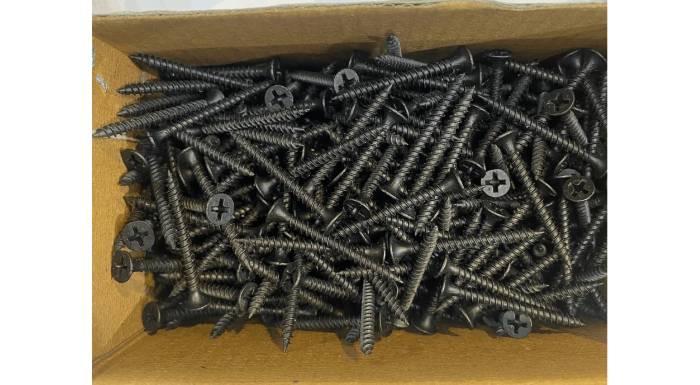
Finding affordable drywall screws for gypsum boards in India can be a bit tricky. However, the research presented shows some promising options. These screws are essential for various construction projects, as they provide stability and durability to the drywall installation process. It’s important to choose screws that resist corrosion and breakage, especially in humid environments often found across the country. The report highlights several suppliers offering competitive prices without sacrificing quality. While shopping around, it’s a good idea to compare different brands and specifications to find what best fits your needs. Ultimately, quality does not need to come at an outrageously high price tag.
1. Understanding Drywall Screws for Gypsum Boards
Drywall screw in India plays a crucial role in the construction and installation of gypsum boards. Specifically designed for attaching drywall to both wooden and metal studs, these screws are essential for ensuring a secure fit. They feature a sharp point that facilitates easy penetration into the material, making the installation process efficient. One of the key characteristics of drywall screws is their closely spaced threads, which help to prevent cracking of the drywall, maintaining a smooth surface.
Typically ranging in length from 1 to 3 inches, drywall screws come in various gauges, with #6 and #8 being the most commonly used. The head type can vary as well, with Phillips and square drive being popular choices among builders and DIY enthusiasts. A notable advantage of drywall screws is that they usually do not require pre-drilling in most applications, saving time and effort during installation.
Most drywall screws are made from steel, ensuring they provide the necessary strength and durability for the task. Additionally, many are coated to enhance their corrosion resistance, which is particularly beneficial in humid environments or where moisture is a concern. Understanding these features is vital for selecting the right drywall screw for your project, as each aspect contributes to the overall effectiveness and longevity of the installation.
2. Factors Influencing the Cost of Drywall Screws
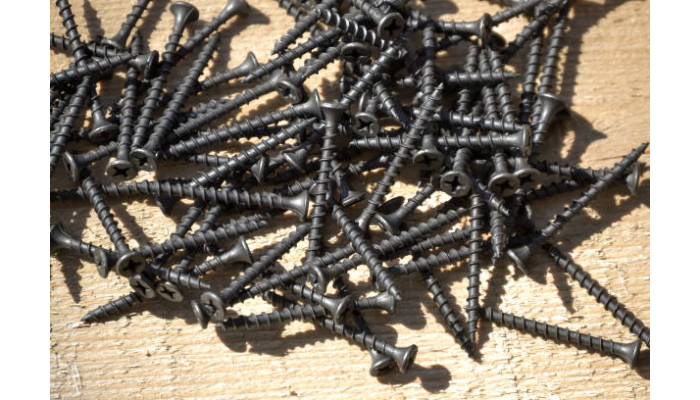
The cost of drywall screws can fluctuate significantly based on various factors. First, the material used in manufacturing screws plays a crucial role. For instance, screws made from high-quality steel tend to be more expensive than those made from lower-grade materials. Additionally, the type of coating applied can add to the cost; black phosphate screws usually cost less than zinc-coated ones due to the difference in corrosion resistance and manufacturing processes.
Screw length and gauge are also important considerations. Generally, longer and thicker screws require more material and are therefore priced higher than their shorter, thinner counterparts. Brand reputation can influence prices as well; well-known brands often charge a premium due to perceived quality and reliability.
Buying in bulk can lead to savings, as the cost per unit drops significantly when purchasing larger quantities, making it a smart choice for contractors and DIY enthusiasts alike. Regional pricing differences may also arise from local demand and supply dynamics, affecting the overall cost in different areas of India.
The type of packaging can impact the price too; screws sold in boxes may be more expensive than those in bulk bags. Market trends and competition among manufacturers can frequently alter prices, as companies adjust to attract buyers. Shipping costs, especially for online orders, can add to the final price, so it’s wise to factor these in when budgeting. Lastly, quality assurance and testing processes can increase production costs, which are often passed on to consumers, making it essential to balance quality with affordability when selecting drywall screws.
- The material used in manufacturing screws impacts their price.
- Coating type, such as black phosphate or zinc, can affect the cost.
- Screw length and gauge also influence pricing, with longer and thicker screws being more expensive.
- Brand reputation plays a role in pricing, as well-known brands may charge more.
- Bulk purchasing often leads to lower costs per unit compared to buying individually.
- Regional pricing differences can occur due to local demand and supply.
- Packaging type, such as boxes or bulk bags, can affect overall cost.
- Market trends and competition among manufacturers can change prices frequently.
- Shipping costs may add to the final price, especially for online orders.
- Quality assurance and testing processes may increase production costs, which can be passed to consumers.
3. Features of Affordable Drywall Screws
Affordable drywall screws generally feature a straightforward design that suits common applications well. While they may not possess advanced coatings, they still provide decent corrosion resistance, making them adequate for most indoor projects. The thread design is typically not optimized for high-performance scenarios, yet it serves its purpose effectively in standard installations. Made from standard steel, these screws are reliable for typical tasks, although the options for length and gauge are usually limited compared to premium alternatives.
Bulk packaging is a significant advantage, allowing consumers to purchase these screws at a lower overall cost, which can be appealing for larger projects. The head designs are often simple, making them compatible with commonly used drivers, which is a practical feature for many DIY enthusiasts and professionals alike.
However, quality control can vary, so inspecting for defects before use is advisable. Despite being budget-friendly, affordable drywall screws should still meet basic standards for strength and durability, ensuring that they can handle the demands of regular use. When selecting these screws, finding a balance between cost and quality is essential to ensure a successful installation.
4. Benefits of Using Quality Drywall Screws
Using quality drywall screws brings several advantages that can greatly impact your project. First, they provide better grip and holding power, which reduces the chance of stripping during installation. This is particularly important when working with gypsum boards, as a secure attachment is essential for durability. Quality screws are often made from durable materials, meaning they resist bending or breaking, even under stress.
Additionally, many quality drywall screws come with advanced coatings that enhance their resistance to rust and corrosion, which is vital in humid environments. Precision manufacturing typically leads to fewer defects, allowing for a smoother installation process.
Moreover, some screws are specifically designed for particular applications, ensuring optimal performance in various settings. By investing in quality screws, you can minimize the likelihood of requiring repairs down the line. They often come with better warranties or guarantees from manufacturers, providing peace of mind.
Lastly, using quality screws can improve the overall finish of drywall installations, contributing to a professional look. Choosing the right screws can significantly enhance the longevity of your drywall projects, making them a wise investment.
5. Types of Drywall Screws Available in India
In India, various types of drywall screws cater to different needs and applications. Standard drywall screws are the most commonly used for general purposes, providing reliable performance for most installations. For those looking to save time, self-drilling screws are a great option, as they eliminate the need for pre-drilling, making the installation process quicker and easier. When working with wooden studs, wood screws are specifically designed to attach drywall securely. On the other hand, metal screws are tailored for metal studs, featuring sharper points to penetrate harder surfaces.
The choice between coarse-thread and fine-thread screws is essential, too. Coarse-thread screws are ideal for wood applications, while fine-thread screws are better suited for metal, ensuring a strong hold in both cases. Specialty screws also exist, such as moisture-resistant screws that are perfect for humid environments, helping to prevent issues like mold growth.
Additionally, some screws come with a bugle head, which allows for a flush finish on the drywall, enhancing the overall appearance of the project. For environments prone to corrosion, black phosphate screws offer extra protection, while zinc-coated screws provide a shiny finish and improved durability. Finally, drywall screws come in various lengths and gauges, accommodating different thicknesses of drywall, ensuring a perfect fit for any project.
6. How to Choose the Right Drywall Screws
Choosing the right drywall screws is crucial for a successful installation. First, consider the type of studs you are working with, whether wood or metal, as this determines the screw type you will need. Next, match the screw length to the thickness of the drywall you are using; for example, a standard 1/2 inch drywall typically requires screws that are 1 1/4 inches long. The gauge of the screw is also important, as heavier loads may necessitate thicker screws, while lighter applications can use thinner options.
Evaluate the environment where the drywall will be installed. If you are working in moisture-prone areas, look for screws that have special coatings, like zinc or galvanized finishes, to prevent rust. Additionally, screws with a sharp point can make installation easier, allowing for quicker penetration into the material. If speed is a priority, consider self-drilling screws that eliminate the need for pre-drilling.
The head type of the screw is another factor to consider, as it should match your tools. For instance, if you are using a power screwdriver, a Phillips head might be more practical than a flat head. Don’t forget to compare different brands and read reviews to assess reliability and performance. Finally, keep your budget in mind; it’s important to find a balance between cost and quality to ensure you are making a wise investment. Consulting with professionals or suppliers can also provide valuable insights tailored to your specific project needs.
7. Common Applications of Drywall Screws
Drywall screws are essential in various applications, primarily for attaching drywall panels to studs. They provide a secure hold in ceilings, walls, and partitions, making them a go-to choice for both new constructions and renovations. In high-stress areas, such as corners or where panels meet, these screws ensure stability and durability. Remodeling projects often require replacing or installing new drywall, where drywall screws play a crucial role. For soundproofing applications, specialized screws can help secure additional materials effectively, enhancing acoustic performance. In fire-rated assemblies, using the right screws is vital for compliance with safety standards. Commercial construction frequently relies on drywall screws for quick and efficient installations, making them a standard in the industry. DIY enthusiasts also find these screws invaluable for home renovations, allowing for creative projects like decorative wall features. Ultimately, drywall screws are pivotal in ensuring the structural integrity of drywall installations.
8. Tips for Buying Affordable Drywall Screws
When looking for affordable drywall screws, it’s wise to compare prices from different suppliers. This helps you identify the best deals available. Consider bulk purchasing options as they can save you money over time, especially if you’re working on larger projects. Keep an eye out for discounts or promotions on specific brands or types, which can further reduce costs. Reading customer reviews can provide insight into the quality of the screws, helping you choose affordable options that don’t compromise on performance.
Buying from reputable suppliers is crucial to ensure that you get good quality products. Local hardware stores can be a great option for immediate needs, and sometimes they offer competitive pricing. Evaluate the packaging, as buying in larger quantities often lowers the overall cost per screw. If you have connections with contractors or experienced DIYers, ask for their recommendations, as they may know of reliable sources for affordable screws.
Additionally, check for warranty or return policies in case you encounter any defects with your purchase. Staying informed about seasonal sales or clearance items can lead to even more savings, so don’t hesitate to do a little research before making your final decision.
9. Safety Considerations When Using Drywall Screws
Using drywall screws safely is essential to avoid accidents and injuries during installation. Always wear safety goggles to protect your eyes from dust and flying debris. Gloves are also important, as they can help prevent cuts from sharp screw points and edges. Keep your work area clear of any hazards that could lead to slips or falls. If you’re working at height, follow proper ladder safety; ensure it’s stable and positioned correctly.
Before drilling into walls, check for any hidden electrical wires or plumbing to avoid damaging them. Use the right tools for the job to prevent stripped screws, which can be both frustrating and dangerous when mismanaged. Store screws in a secure location to prevent accidental injuries or damage. Be aware of the dust created during installation; wearing a mask can help keep you safe from inhaling particles.
If you come across defective screws, dispose of them properly to prevent future injuries. Finally, always follow the manufacturer’s guidelines for safe use and installation to ensure that you’re working within the recommended safety standards.
10. Maintenance Tips for Drywall Projects
Regular inspections of your installed drywall are essential. Look for cracks or loose screws, as addressing these issues promptly can save you from more extensive damage later on. Keeping the area clean and dust-free not only maintains its appearance but also helps in identifying any potential problems more easily. When needed, repainting or touching up finishes can preserve the aesthetics of your drywall.
It’s crucial to check for signs of moisture damage, especially in areas prone to leaks. If you notice any, act immediately to resolve the issue. Proper ventilation in humid areas can prevent mold growth, which is another aspect to keep in mind. Maintaining a suitable temperature and humidity level will help protect the integrity of the drywall.
If your drywall is in high-traffic areas, consider periodic inspections to catch any wear and tear early. Keeping your tools organized will make repairs and maintenance tasks more efficient. Finally, stay informed about new products that can enhance the longevity of your drywall, ensuring your investment remains in good condition for years to come.
Frequently Asked Questions
What type of drywall screws are best for gypsum boards?
The best screws for gypsum boards are usually coarse-threaded ones, designed to securely attach the board to wood studs. Fine-threaded screws work better with metal studs.
How do I properly install drywall screws in gypsum boards?
To install drywall screws, use a power drill or screwdriver, and ensure the screw is driven in just enough to create a dimple in the surface without breaking the paper skin of the board.
What size drywall screws should I use for my projects?
The typical size for drywall screws is 1 1/4 inches for half-inch thick boards, but for thicker boards, longer screws may be necessary.
Can I reuse drywall screws?
It’s not recommended to reuse drywall screws since they can become damaged or lose their holding power. It’s safer to use new screws for each installation.
Are there any special features in affordable drywall screws?
Affordable drywall screws can have features like corrosion resistance or specialized coatings to improve performance and durability, even without a high price tag.
TL;DR This blog post explores affordable drywall screws for gypsum boards in India, detailing what they are, factors affecting their cost, and key features. It highlights the benefits of using quality screws, types available, tips for selection, common applications, and safety considerations. Additionally, it provides maintenance tips for drywall projects, ensuring a comprehensive understanding of these essential building materials.