
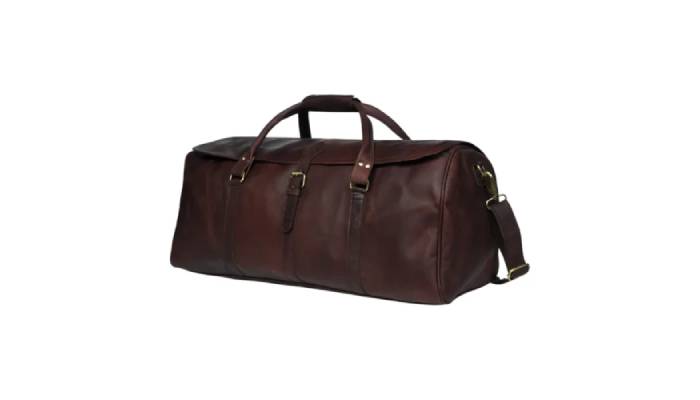
Restoring an old vintage leather duffle bag is a rewarding endeavor that combines craftsmanship with personal touch. Start by assessing the bag for damage, noting any cracks or stains. Cleaning it gently with suitable leather products revitalizes its appeal. Conditioning the leather afterward ensures it remains supple and healthy. If you find scratches or discoloration, using a repair kit can improve its look significantly. Replacement of worn hardware, like zippers or handles, might be necessary to enhance functionality. Finally, when storing, keep the bag in a dry spot and stuff it to help retain its shape for future adventures ahead.
1. Understanding the Value of Restoration
Restoring an old vintage leather duffle bags is more than just a project; it’s about preserving a piece of history. Each bag carries its unique story, and restoration helps to maintain that charm, giving it character that new bags simply lack. This process not only revives the bag’s vintage appeal, but it can also significantly enhance its usability. For instance, repairing worn-out zippers and straps makes the bag practical for everyday use again. Additionally, a restored bag can fetch a higher resale value in the vintage market, making it a worthwhile investment. Choosing to restore rather than replace supports local artisans and businesses, promoting craftsmanship and sustainability in a world often focused on fast fashion. Moreover, this journey of restoration offers a personal touch, allowing you to customize the process to match your style. Reviving an old bag can be a fulfilling experience, providing a sense of accomplishment while teaching you about leather care and maintenance. Plus, the sentimental value it holds can turn it into a cherished family heirloom, ready to be passed down through generations.
- Restoration helps in retaining vintage charm, making the bag more unique.
- It allows you to pass down the bag as an heirloom, adding sentimental value.
- Restored bags can often fetch a higher resale value in the vintage market.
- You get to enjoy a bag that feels personal and tailored to your journey.
- Restoration can enhance the bag’s usability, making it more practical for everyday use.
- It supports local artisans and businesses when you opt for professional restoration.
- You can customize the restoration process to fit your style preferences.
- Restoration can make the bag more functional, repairing zippers and straps that may have worn out.

2. Initial Assessment of Your Duffle Bag
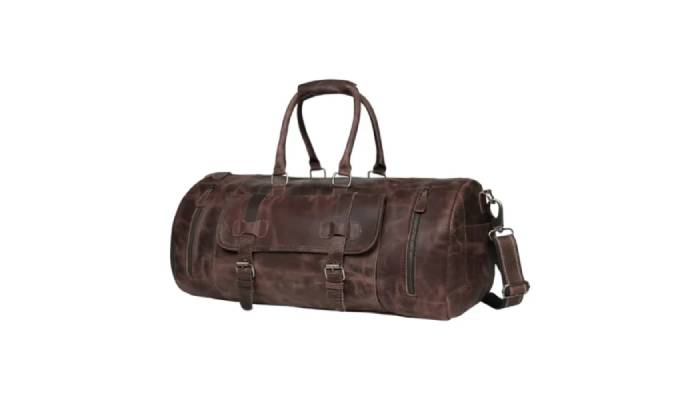
Start by giving your duffle bag a thorough inspection. Look closely for any loose threads or seams that might need stitching, as these can lead to bigger issues if left unattended. Pay attention to any strong odors, which could signal the presence of mold or mildew, and address those early on. Next, check the lining for any tears or damage, as a worn lining can affect the overall integrity of the bag.
Evaluate the hardware, including buckles, zippers, and buttons, to ensure they function properly. A broken zipper or a loose buckle can detract from the bag’s usability. Also, assess the overall structure of the bag: does it still hold its shape, or has it sagged over time? Areas where the leather feels stiff or dry may require additional treatment later.
Look out for any discoloration or fading, which could indicate areas needing attention during the restoration process. Identifying the type of leather is crucial as it helps you choose the right cleaning and conditioning products. Take note of any previous repairs; understanding the bag’s history can inform your approach to restoration. Lastly, consider taking photos throughout the process. This will help you track your progress and celebrate the transformation of your vintage leather duffle bag.
3. Cleaning Your Leather Duffle Bag
Start by gathering the right supplies. A soft brush is essential for removing surface dust and dirt, which helps prevent scratches during the cleaning process. Before applying any cleaner, test it on a small, hidden area of the bag to ensure it won’t harm the leather. When you’re ready to clean, dampen a cloth with the cleaner; avoid soaking the leather, as excess moisture can cause damage. Use the cloth to gently clean the bag, rinsing the cloth frequently to avoid redistributing dirt. For more stubborn stains, it’s best to consult a professional cleaner who specializes in leather. After cleaning, don’t forget to apply a dedicated leather conditioner to restore moisture and keep the leather supple. To add an extra layer of protection, consider using a leather protectant spray once the bag is clean and conditioned. Finally, always allow the bag to dry away from direct sunlight or heat sources, as this can lead to warping or fading.
4. Conditioning the Leather for Longevity
Conditioning your vintage leather duffle bag is essential for maintaining its quality and extending its life. Start by choosing a conditioner that suits your leather type, whether it’s smooth, nubuck, or suede. Apply the conditioner using a clean cloth, and work it into the leather with circular motions, ensuring you cover the entire surface.
Pay special attention to seams and creases, as these areas tend to dry out the most. Allow the conditioner to absorb fully before using the bag again, which helps prevent any sticky residue. Depending on how often you use the bag and the environment it’s kept in, consider conditioning it every three to six months. It’s best to select a conditioner that contains natural oils, as these effectively nourish the leather.
Before applying the conditioner, it’s wise to test it on a small, inconspicuous area first to check for any discoloration. Be cautious not to over-condition, as this can lead to a tacky feel on the leather. Store any excess conditioner in a cool, dark place to keep it effective, and look for products that offer UV protection to help prevent fading. By taking these steps, you can ensure your leather duffle bag remains supple and beautiful for years to come.
5. Repairing Minor Damage Effectively
To effectively repair minor damage on your vintage leather duffle bag, start by using a leather repair kit that includes color-matched patches for small tears. This simple solution can make a big difference in restoring the bag’s appearance. For scuffs, gently apply a matching color polish with a soft cloth; this helps blend the scuff into the leather. If you encounter deeper scratches or cuts, a leather filler can be used to fill in these imperfections. Be sure to follow the manufacturer’s instructions for the best results.
Before applying any repair products, it’s crucial to ensure the area is clean and dry. For stubborn stains that don’t come out with regular cleaning, consulting a professional might be necessary to explore specialized treatments. If you notice any loose seams, a leather adhesive can help secure them, creating a strong bond. After applying filler, use a soft brush or cloth to remove any excess and achieve a smooth finish.
Allow ample time for all repairs to cure before using the bag again, as this ensures the integrity of your fixes. Keeping a leather repair kit handy for ongoing maintenance is a smart move; it allows you to tackle minor issues as they arise. Learning about DIY repair techniques can empower you to independently care for your bag and keep it looking its best.
6. Restoring Color and Shine
To restore the color and shine of your vintage leather duffle bag, start by selecting a durable leather dye that resists fading. Make sure the dye is appropriate for the specific type of leather you are working with. When applying the dye, use a sponge or cloth with long, even strokes to achieve a smooth finish. For larger areas, consider using a spray dye for more consistent coverage.
After applying the first layer, allow it to dry completely before adding additional layers to avoid streaks. Once satisfied with the color, finish the process by using a high-quality leather conditioner to set the color and nourish the leather. After the conditioner has absorbed, buff the leather with a soft cloth to bring out a nice shine.
Before committing to a full application, always test the dye on a hidden area of the bag to ensure color fastness. For an extra touch of luster, choose a polish that matches the leather color. Finally, keep an eye on your bag’s condition and evaluate if touch-ups are needed based on wear and tear.
Replacing Hardware
When restoring your vintage leather duffle bag, replacing damaged hardware is crucial for both functionality and aesthetics. Start by identifying which hardware needs replacement, such as zippers, buckles, or straps. Once you’ve pinpointed the damaged pieces, purchase replacements that closely match the original in size and style to maintain the bag’s character. Use the right tools for removal and installation, as improper handling can cause further damage to the bag. If the repair seems complex, consider seeking professional help to ensure it’s done correctly.
Keep the original hardware pieces if possible; they can serve as a guide for closely matching new parts. Before installation, check for any compatibility issues with the new hardware. When attaching the new pieces, secure them properly to ensure they can withstand regular use. Inspect the new hardware for any sharp edges that may need smoothing to avoid injury or damage to the bag. For extra security, applying a small amount of adhesive can be beneficial when attaching hardware, providing added durability to your restored vintage duffle bag.
8. Final Touches and Proper Storage
Once you have completed the restoration process, it’s time for some final touches. Start by wiping down the bag one last time to remove any dust or residue that may have settled during the restoration. Proper storage is crucial to maintain its condition. Consider placing the bag in a dust bag or an old pillowcase to shield it from dust and scratches. Avoid storing it in damp or humid areas, as this can lead to mold growth. Instead, opt for a cool, dry place.
To help the bag keep its shape, store it upright or stuff it with tissue paper, which will prevent creasing. Keep it away from direct sunlight, since prolonged exposure can cause fading and drying out. It’s also wise to check on the bag periodically during storage to ensure no new damage occurs. For added moisture protection, you might want to include silica gel packets in the storage area.
Before long-term storage, applying a leather protector spray can provide an additional layer of protection against future wear. Lastly, document the restoration process with photos or notes for your future reference. This information can be invaluable for ongoing care and maintenance. And remember, using your restored bag regularly will help keep it in good condition and allow you to enjoy its vintage charm.
Frequently Asked Questions
What is the first step in restoring a vintage leather duffle bag?
The first step is to clean the bag gently, using a soft cloth to remove dirt and dust without damaging the leather.
Can I use water to clean my leather duffle bag?
It’s best to avoid water, as it can damage the leather. Instead, use a leather cleaner specifically designed for this material.
How do I treat scratches on my leather duffle bag?
You can use a leather conditioner or a specialized leather scratch repair kit to help minimize the appearance of scratches.
Is it safe to use regular household products on my leather bag?
No, regular household products can be harsh and may harm the leather. Stick to products made specifically for leather care.
How can I protect my leather duffle bag after restoring it?
Consider applying a leather protectant spray to help guard against stains, water, and UV damage, keeping your bag looking its best.
TL;DR Restoring an old vintage leather duffle bag can reinvigorate its look and extend its life. Start by assessing the damage and cleaning with appropriate leather products. Condition the leather to maintain its suppleness and tackle minor repairs like scratches with leather repair kits. If needed, restore color using leather dyes and replace any damaged hardware. Finish by buffing the bag and storing it properly to preserve its shape. This process not only saves money and is eco-friendly but also keeps the bag’s story alive.