
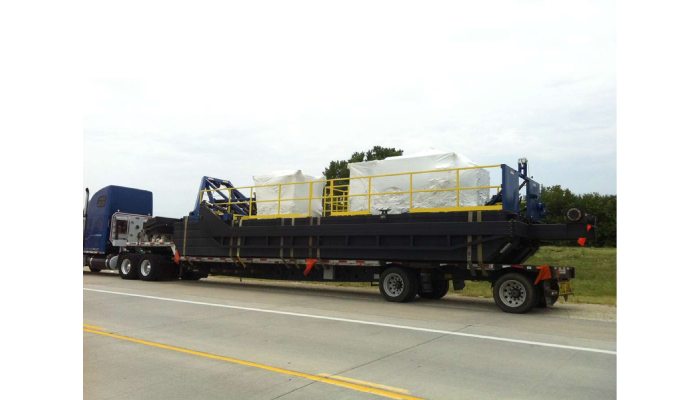
Using a self-propelled dredge comes with many exciting benefits that are hard to ignore. First, operational efficiency is significantly enhanced, allowing for quicker and more effective digging. This tool also proves to be cost-effective, reducing labor and time expenses. Environmentally friendly options minimize negative impacts, contributing positively to ecological balance. Safety features protect workers during operations, while the deep digging capabilities enable access to hard-to-reach areas. With advancements in technology, these dredges offer improved performance and reliability. Lastly, their versatility means they can be used across various applications, making them a fantastic choice for all sorts of projects in different industries!
1. Enhanced Operational Efficiency
Self-propelled dredge revolutionize the dredging industry by moving independently, eliminating the need for tow boats. This autonomy allows them to operate continuously, speeding up project completion significantly. Equipped with advanced navigation systems, these dredges enhance precision during operations, ensuring that every scoop is accurately placed. Automation features also play a crucial role, minimizing manual labor and reducing the chances of human error. While in action, real-time data monitoring provides essential insights that improve decision-making, making the entire process more efficient.
Additionally, self-propelled dredges consume less fuel compared to traditional methods, which not only cuts costs but also lessens the environmental impact. The ability to easily adjust dredging depth further increases productivity, enabling operators to respond swiftly to changing project requirements. Quick mobilization to different sites saves valuable time and resources, allowing for flexibility in operations. With fewer mechanical failures, downtime is reduced, leading to a smoother workflow. When integrated with other equipment, self-propelled dredges streamline the entire dredging process, enhancing overall efficiency in ways that traditional methods simply cannot match.
- Self-propelled dredges move independently, reducing the need for tow boats.
- They can operate continuously, allowing for faster project completion.
- Advanced navigation systems enhance precision in dredging operations.
- Automation features minimize manual labor and human error.
- Real-time data monitoring improves decision-making during operations.
- They require less fuel compared to traditional dredging methods.
- The ability to adjust dredging depth easily increases productivity.
- Quick mobilization to different sites saves time and resources.
- Reduced downtime due to fewer mechanical failures enhances efficiency.
- Integration with other equipment streamlines the overall workflow.
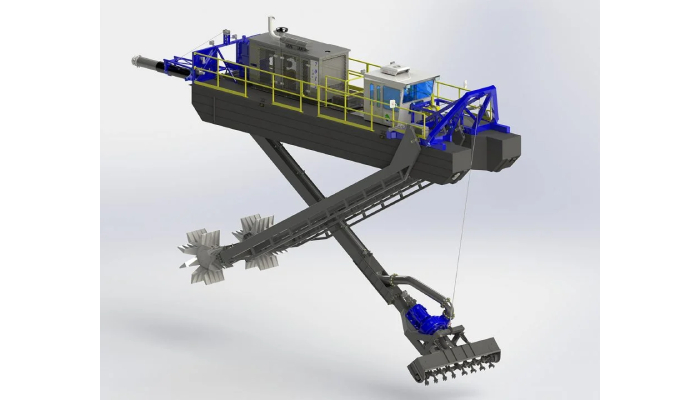
2. Cost-Effective Solutions for Projects
Using a self-propelled dredge can lead to substantial cost savings for various projects. One of the standout benefits is its lower operational costs, primarily due to reduced fuel consumption. This efficiency means that you can allocate your budget more effectively. Additionally, these dredges require fewer personnel on-site, significantly cutting labor costs without compromising productivity.
The longevity of self-propelled dredges also plays a crucial role in cost-effectiveness. With a longer lifespan, the frequency of replacements is reduced, which leads to lower replacement costs over time. Furthermore, the minimal maintenance requirements associated with these machines mean that long-term expenses are kept in check, allowing for better financial planning.
Self-propelled dredges excel in challenging environments, which can often lead to project delays with other equipment. Their capability to operate efficiently in tough conditions means that projects can stay on schedule, preventing costly overruns. Higher productivity translates into more projects being completed in less time, maximizing revenue potential.
The flexible operations of these dredges also reduce the need for renting or purchasing additional equipment, further enhancing cost-effectiveness. Integrated technology minimizes the need for extra costly gear, streamlining operations and reducing overall expenses. Their diverse applications open up multiple revenue streams, enabling businesses to tap into various markets.
The savings gained from using a self-propelled dredge can be reinvested into future projects, creating a cycle of growth. This cost-effective solution not only benefits current projects but also lays the groundwork for future success.
3. Positive Environmental Impact
Using a self-propelled dredge can have significant positive effects on the environment. These advanced dredging methods are designed to minimize sediment disturbance in ecosystems, allowing aquatic habitats to thrive. Many self-propelled dredges come equipped with eco-friendly technologies that reduce fuel consumption, leading to lower emissions and improved air quality. They can also precisely remove contaminants, ensuring that surrounding areas remain unharmed. This careful approach promotes the restoration of natural habitats and supports sustainable practices, leaving a minimal ecological footprint. Moreover, efficient dredging helps maintain the health of waterways and reduces flooding risks, while also enhancing water clarity and quality, which benefits aquatic ecosystems. Using self-propelled dredges for beach nourishment can be done without damaging marine life, further encouraging responsible dredging practices among operators.
4. Improved Safety Standards
Using a self-propelled dredge significantly enhances safety standards on the job site. These advanced machines often come equipped with automated systems that reduce the risk of accidents and injuries, allowing operators to focus on their tasks without constant worry. Enhanced visibility and navigation systems improve situational awareness, ensuring that operators can monitor their surroundings effectively. With fewer personnel required to operate these machines, there’s a reduced exposure to hazardous conditions, which is a crucial factor in maintaining a safe work environment.
Safety is further bolstered by rigorous safety features that ensure equipment reliability during operations. For instance, built-in safety alarms provide alerts for potential hazards, allowing for quick reactions to avoid accidents. Remote monitoring systems enhance operational management, enabling supervisors to oversee activities from a distance and address any issues as they arise.
Training programs for operators also play a vital role in promoting safety knowledge, ensuring that everyone on board understands how to handle the equipment responsibly. Moreover, the robust construction of self-propelled dredges protects against extreme weather conditions, safeguarding both the crew and the machinery. In case of emergencies, the automated systems allow for rapid execution of emergency protocols, significantly reducing response times. Overall, the safety-focused design of self-propelled dredges is a game-changer, minimizing the likelihood of equipment malfunctions and keeping everyone safer on the job.
5. Deep Digging Capabilities
Self-propelled dredges are game changers when it comes to deep digging, capable of reaching depths that traditional methods simply cannot match. With advanced technology at play, these dredges can dig precisely at various angles, making them highly effective in challenging underwater terrains. They are designed to tackle tough materials like clay and rock with ease, ensuring that even the most demanding projects are handled efficiently. Customization options allow for specialized dredging tailored to unique project needs, enhancing their versatility. The ability to remove debris from deep water significantly improves navigability, making it easier for vessels to pass through harbors and rivers. Moreover, deep digging capabilities support critical infrastructure projects, such as bridges and tunnels, providing essential groundwork for urban development. In confined spaces, self-propelled dredges excel, achieving great depths without compromising safety or performance, proving their worth in complex dredging scenarios.
6. Technological Advancements in Dredging
The world of dredging is undergoing a remarkable transformation, thanks to cutting-edge technology. Incorporating GPS technology allows operators to track precise locations, ensuring that dredging occurs exactly where it’s needed. Real-time data analytics optimize operations, helping teams make quick decisions that enhance efficiency. Remote control capabilities give operators flexibility, enabling them to manage dredging activities from a distance while maintaining control over equipment.
Advanced sensors play a crucial role in monitoring environmental conditions during dredging, minimizing the impact on surrounding ecosystems. Software integration streamlines project management, allowing teams to coordinate efforts seamlessly. Automation reduces the need for manual controls, improving accuracy and safety in operations. Moreover, the use of drones for surveying enhances site assessments, providing aerial views that traditional methods can miss.
Telematics systems offer valuable insights into equipment performance, helping operators maximize efficiency and reduce downtime. Continuous innovation leads to newer, more efficient models of self-propelled dredges, making the entire process smarter and more sustainable. With user-friendly interfaces, crews can operate these advanced machines with ease, making the dredging experience not only efficient but also accessible.
7. Versatility for Various Applications
Self-propelled dredges are incredibly versatile, making them suitable for a wide range of applications. They excel in maintaining navigation channels in rivers and harbors, ensuring that vessels can travel safely and efficiently. For land reclamation projects, these dredges play a crucial role in transforming aquatic areas into usable land, supporting urban development and infrastructure. In environmental restoration efforts, particularly in wetlands, they help restore natural habitats by carefully removing sediment and debris without disturbing the ecosystem.
Moreover, these dredges are effective in mining operations, particularly for sand and gravel, where they can quickly excavate materials from riverbeds and lakes. In construction, they are essential for underwater excavation, allowing projects like bridges and docks to be completed with precision. Maintaining water quality for municipal supplies is another vital application, as dredging can remove accumulated silt that can degrade water sources.
Their adaptability to various soil types and conditions enhances their effectiveness in diverse projects, including flood control, where they deepen channels to manage water flow. Recreational projects, such as marina development, also benefit from their capabilities, ensuring that these areas remain accessible and enjoyable. Additionally, they efficiently remove silt from lakes and ponds, promoting healthy aquatic environments.