

Booking an online therapy appointment provides a unique opportunity for individuals to prioritize their mental health in a way that fits their lifestyles. The convenience of scheduling sessions at any time, be it early mornings or late evenings, really lowers barriers to care. Plus, the comfort of being at home can help ease anxiety and encourage more open discussions with therapists. With options available across different specialties, people can find the right support tailored to their needs without geographical restrictions. This modern approach not only saves travel time but also offers cost savings and promotes ongoing care, making mental wellness accessible for everyone.
1. Accessibility and Convenience of Online Therapy
Online therapy appointments can be scheduled at any time, making it much easier for people to prioritize their mental health amidst busy schedules. Many platforms offer flexible hours, allowing clients to book sessions early in the morning, during lunch breaks, or in the evenings. This accessibility means that therapy fits into life rather than the other way around. Additionally, individuals can access therapy from anywhere with an internet connection, whether they are at home, at work, or traveling. This breaks down geographical barriers, enabling more people to seek mental health support through online therapy appointments.
Most online therapy platforms have user-friendly interfaces that simplify the booking and attending of sessions. Clients can avoid the stress of waiting rooms and instead enter their therapy sessions from a comfortable space of their choice. This can enhance comfort and engagement, making it easier to open up during discussions. The chance to connect with therapists from diverse locations also increases the likelihood of finding a professional who aligns with individual needs, which is often harder to achieve in local settings.
For those with hectic schedules, such as students or busy professionals, online therapy can be a game-changer. It allows for greater flexibility, making it simpler to fit mental health care into everyday life. Clients can also switch therapists easily if they feel their current one isn’t the right fit, promoting a more personalized approach to care. Moreover, many online platforms offer additional resources, like worksheets or chat support, which can enhance the therapy experience without needing an in-person visit. Accessibility features, including video captioning and language options, make online therapy inclusive for a broader audience. In crises, the convenience of online therapy can be crucial, allowing individuals to receive immediate support without the delays of travel.
2. Time Efficiency of Virtual Appointments
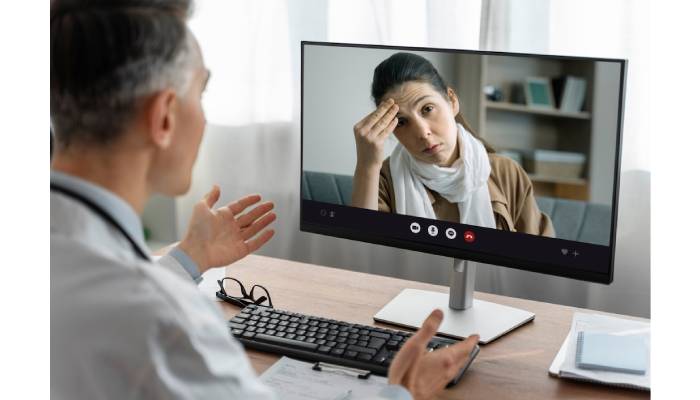
Virtual therapy offers a remarkable advantage in time efficiency. By eliminating the need for travel, clients save valuable hours that can be redirected to other responsibilities or self-care activities. Traditional therapy often requires commuting and waiting, which can add up to significant time spent just getting to and from appointments. In contrast, online sessions allow clients to log in from wherever they are, be it their home, office, or even while traveling, without the hassle of reaching a physical office. This not only makes scheduling more manageable but also enhances the overall therapy experience.
The time saved from commuting can be utilized for preparing for sessions, leading to more productive and focused discussions with therapists. Additionally, many online therapy platforms offer features like reminders and easy rescheduling options, which relieve the stress of missed appointments. The flexibility in scheduling means that clients can fit therapy into their busy lives, whether during lunch breaks or late evenings, promoting greater consistency in attendance.
In urgent emotional situations, the ability to connect quickly with a therapist is invaluable, allowing for timely support when it matters most. Furthermore, the reduced travel time contributes to less disruption in daily routines, helping maintain a healthy work-life balance. For clients needing shorter sessions, online therapy can accommodate quick check-ins without lengthy travel, making it easier to stay connected with their mental health goals. Overall, the time efficiency of virtual appointments fosters a smoother, more integrated approach to mental wellness.
3. Cost-Effectiveness of Online Therapy Services
Virtual therapy often proves to be more budget-friendly than traditional in-person sessions. This affordability stems from lower overhead costs for providers, which can mean lower fees for clients. Additionally, clients save money on transportation and childcare, as they can attend sessions from the comfort of their homes. Many online platforms offer sliding scale pricing or subscription plans, making mental health services accessible to a wider audience. For example, clients may find that the lower session fees offered by online therapists make it easier to commit to regular appointments, which can enhance their therapeutic journey. With insurance coverage for online therapy becoming increasingly common, clients can use their benefits without needing to travel to a physical location. Some platforms even provide free initial consultations, allowing prospective clients to explore their options without any financial pressure. By attending therapy online, clients also eliminate travel-related expenses, such as gas or public transportation fees, which can add up over time. Furthermore, online therapy can reduce the need for additional services like childcare, making it even more convenient. The availability of group therapy options online also provides affordable support, allowing multiple clients to engage in shared experiences. With fewer administrative fees typically associated with online platforms, clients can enjoy lower overall costs. As acceptance of online therapy grows in the mental health field, competition leads to more attractive pricing and options, ensuring that effective mental health support is within reach for many.
4. Comfort and Privacy in Your Own Space
Attending therapy from home can make a big difference in how comfortable you feel. Being in a familiar space helps to ease anxiety and encourages open conversations. You can pick your setting, whether that’s a quiet room, your favorite chair, or even an outdoor spot, this choice enhances your comfort. Online therapy platforms prioritize your privacy, using strong security measures that comply with confidentiality standards to keep your conversations secure.
The privacy of your personal space allows for more honest exchanges, as you won’t worry about being overheard or judged by others in a waiting room. Many clients find that being in their own environment reduces anxiety, making it easier to talk about sensitive topics. If things get intense, you also have the option to take a break during sessions. This can help manage emotions and provide a moment of calm.
You can dress casually, which often makes you feel less pressured compared to traditional therapy settings. This relaxed atmosphere promotes a more authentic interaction with your therapist. Plus, you don’t have to worry about the stigma that might come from being seen entering or leaving a therapist’s office, making it easier to seek help. If you feel uncomfortable at any point, you can turn off your camera, giving you control over your participation. This flexibility contributes to a more personalized and comfortable therapy experience.
5. Greater Selection of Specialists Available Online
Online therapy opens up a world of options when it comes to choosing a therapist. Clients can connect with a wide range of specialists, which means they can find professionals who match their unique needs, no matter where they are located. For instance, if someone is dealing with trauma, they can seek out a therapist who specializes in that area, even if such expertise isn’t available in their local community. This is particularly useful for individuals facing specific mental health challenges, as they can access tailored treatment options that cater to their circumstances.
Many online platforms include search filters that allow users to find therapists based on criteria like gender, age, or preferred therapeutic style, making the process of finding the right match much easier. Additionally, having access to therapists from diverse cultural or language backgrounds can enhance the relatability and effectiveness of the therapy. Clients can also read therapist bios and reviews from others, helping them make informed choices about their care. If a client feels that their initial match isn’t the best fit, many platforms allow for easy switching, fostering a stronger therapeutic relationship. With therapists available across different time zones, clients can find appointments that fit their schedules, ensuring they receive the support they need when they need it.
6. Consistent Care and Support Through Virtual Therapy
Virtual therapy offers the unique advantage of facilitating more frequent sessions, which can significantly enhance therapeutic outcomes. Clients can easily reschedule appointments without the typical constraints of travel, making it simpler to prioritize their mental health. This flexibility allows for continuity of care that is essential for effective long-term mental health management, especially during significant life changes like moving or traveling.
With more frequent sessions, clients can make quicker progress, addressing ongoing issues without the lengthy gaps that may occur in traditional therapy settings. This regularity fosters a commitment to the therapeutic process, making therapy a consistent part of their coping strategy. In times of crisis or challenging situations, clients benefit from ongoing support, which can be vital for their well-being.
The convenience of online therapy allows clients to integrate their sessions into their daily routines, turning therapy into a regular practice rather than an occasional appointment. Additionally, therapists can enhance their support through timely check-ins via messages or follow-up calls, creating a robust support network. The option for after-hours sessions ensures that clients can maintain their care even when life gets busy or emergencies arise. With this approach, clients can share their experiences and insights more frequently, allowing for a more dynamic therapeutic relationship and quicker feedback, ultimately leading to a more effective therapeutic journey.
7. Innovative Techniques and Tools in Online Sessions
Online therapy can utilize technology in ways that traditional therapy simply cannot match. For instance, screen sharing allows therapists to share valuable resources in real-time, making the session more interactive and engaging for clients. Therapists can incorporate multimedia resources like videos and guided exercises, catering to various learning styles and enhancing the overall therapeutic experience. During sessions, clients might participate in activities such as journaling or mindfulness exercises, which are easily facilitated through digital platforms, promoting active involvement.
Additionally, the use of apps and online resources extends the learning experience beyond the therapy sessions. Clients can continue to work on their mental health at their own pace, integrating tools into their daily lives. Virtual whiteboards and collaborative tools further enhance interactivity, enabling brainstorming and visualization of thoughts. Clients also benefit from chat functions for quick support between sessions, ensuring they receive timely assistance when needed.
The flexibility of online therapy allows for diverse session formats. Therapists can incorporate role-playing or guided imagery exercises to boost client engagement. Assigning homework or tasks tailored to individual needs empowers clients to take ownership of their mental health journey. Moreover, technology facilitates creative expression, such as art or music therapy, which may be less accessible in traditional settings. This innovative approach not only enriches the therapy process but also makes mental health care more comprehensive and personalized.
8. Reduced Stigma and Increased Comfort for Clients
Many people find it easier to discuss sensitive topics from the comfort of their own homes. This relaxed setting can promote honesty and openness during therapy sessions, which is essential for effective treatment. Online therapy also helps reduce the stigma associated with visiting a therapist’s office, allowing clients to seek help without the fear of being seen or judged. In familiar surroundings, clients may feel less pressure to conform to traditional therapy environments. This can lead to a more authentic expression of thoughts and feelings.
Anonymity plays a significant role in this process, as clients may feel less judged when sharing personal experiences. The comfort of one’s own space often allows for deeper self-reflection and processing. Additionally, the option to attend sessions in casual clothing can reduce anxiety, making the experience feel more relatable and less formal. This approach attracts individuals who might have previously avoided therapy, broadening access to mental health support for those who feel uncomfortable in conventional settings.
Clients can also control their environment during sessions, choosing quiet spaces or incorporating calming scents that enhance their comfort. The trend toward virtual interactions in society has helped normalize online therapy, making it a more accepted and accessible option for various populations. Overall, the combination of comfort and reduced stigma can significantly enhance the therapeutic experience.
9. Effectiveness for Diverse Populations Seeking Help
Online therapy stands out as a beneficial option for various groups of people seeking mental health support. For busy parents, it offers the flexibility to schedule sessions around their hectic lives, providing much-needed care without the hassle of commuting. Individuals with mobility challenges or those living in remote areas can access therapy that might otherwise be unavailable, ensuring they receive essential support. Furthermore, online therapy caters to those who value discretion, allowing them to engage in mental health care without the visible commitment of in-person visits.
Clients from diverse cultural backgrounds can find therapists who are attuned to their specific experiences, enhancing the effectiveness of the therapy. This is particularly important for marginalized groups, as online platforms can provide culturally competent resources and language options, making therapy accessible to non-English speakers. The ability to connect with a wide range of specialists online means clients can find professionals who align with their values and life experiences.
For individuals with chronic illnesses or disabilities, online therapy removes the barriers associated with travel, making it easier to receive necessary care. This convenience can lead to increased attendance and engagement in therapy, as clients can fit sessions into their busy lives. Additionally, those feeling isolated can benefit from the online connection, fostering a sense of community through virtual support groups. Overall, online therapy effectively addresses the unique issues faced by various populations, making it a valuable resource for those in need.
10. Overall Effectiveness of Online Therapy Options
Research shows that online therapy can be just as effective as traditional face-to-face sessions, delivering quality care that leads to positive mental health outcomes. Many clients report high satisfaction rates with online therapy, often highlighting the convenience and comfort of receiving support from their own space. The therapeutic relationship can remain strong in an online environment, with clients frequently feeling connected and understood by their therapists, despite the physical distance.
Advancements in technology continue to enhance the effectiveness of online therapy, making it a viable option for various mental health issues. Clients appreciate the flexibility to schedule sessions that fit their lifestyles, leading to better engagement in their therapy journey. Additionally, many platforms offer diverse therapeutic approaches, allowing clients to find care that resonates with their individual needs.
Online therapy also plays a crucial role in providing support during mental health crises, ensuring that clients have access to help when they need it most. The growing acceptance of online therapy within the mental health community speaks to its value in catering to diverse populations. As technology evolves, the future of online therapy looks promising, with ongoing developments aimed at further enhancing its accessibility and overall effectiveness.
Frequently Asked Questions
How do I book an online therapy appointment?
You can book an online therapy appointment by visiting our website, selecting your preferred therapist, and choosing a suitable time from their available slots.
Can I have therapy sessions on my phone or tablet?
Yes, you can have therapy sessions on your phone or tablet. Just make sure you have a stable internet connection and can access our platform.
What if I need to change my appointment time?
If you need to change your appointment time, you can easily reschedule through your account on our website, as long as it’s within the time frame allowed.
Do I need any special software to attend the online therapy session?
No, you don’t need any special software. You just need a web browser or the app if available, along with your internet-connected device.
Is my online therapy session private and secure?
Yes, your online therapy session is private and secure. We use encryption and follow strict confidentiality policies to protect your information.
TL;DR: Online therapy provides convenient access to mental health care anytime and anywhere, allowing flexibility in scheduling and eliminating travel time. It can be more cost-effective, offers a broader selection of specialists, and enhances comfort due to privacy in one’s own space. Clients experience consistent support and can utilize innovative techniques during sessions. Online therapy is effective for diverse populations and reduces stigma around seeking help, ultimately leading to positive mental health outcomes.