
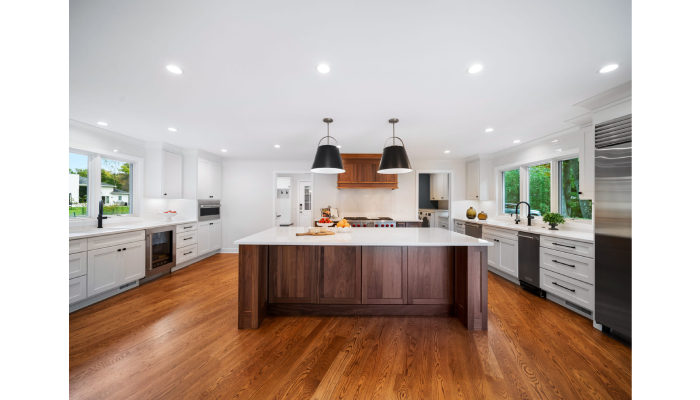
Building a custom home in Florida can be both exciting and challenging, but with a solid budgeting plan, you’ll reduce stress significantly. Begin by establishing a realistic budget that captures all initial costs, from land acquisition to utility hookups. Typically, land costs range between $40,000 and $100,000 based on location. Next, break down per square foot costs: basic homes may start at $150 while luxury options soar to over $450 per square foot. Prioritize spending on structural components and energy-efficient features; these investments pay off in the long run. Choose materials wisely, mid-range finishes can help control expenses without compromising style.
1. Establishing a Realistic Budget
Establishing a realistic budget is a crucial first step when planning your custom home in Florida. Begin by accounting for all costs involved, including not only construction but also land acquisition, site preparation, design fees, permits, utilities, furnishings, and a contingency fund, ideally around 10% of your overall budget. Assess your finances carefully; take a good look at your income, savings, and current debts to determine how much you can truly afford. Additionally, research the local market to understand average home prices in your desired area, which will help anchor your budget in reality.
Don’t hesitate to reach out to multiple contractors and builders for quotes. This Florida custom home designs allows you to compare prices and services, ensuring you find the best value for your investment. It’s also wise to plan for future expenses like property taxes and homeowners insurance, as these will impact your overall financial picture. Keep track of your expenses using budgeting software or apps to monitor spending and make adjustments as needed.
Setting priorities is vital; identify non-negotiable features of your dream home while also determining areas where you can compromise. Regularly review your budget throughout the building process to reflect any changes in costs or project scope. If you’re unsure about your financial decisions, consulting with a financial advisor can provide valuable insights. Lastly, always account for unexpected expenses, as they often arise during construction. Having a buffer in your budget can save you from financial strain later on.
- Include all costs: Remember to factor in not just construction costs, but also land, site preparation, design, permits, utilities, furnishings, and a contingency fund.
- Assess your finances: Review your income, savings, and current debt to determine how much you can realistically afford for your custom home.
- Research local market: Understand the average home prices in your desired area to set a realistic budget based on local standards.
- Get multiple quotes: Reach out to different contractors and builders for quotes to compare prices and services offered.
- Plan for future expenses: Consider potential future costs like property taxes and homeowners insurance when setting your budget.
- Keep track of expenses: Utilize budgeting software or apps to monitor your spending and adjust as needed throughout the project.
- Set priorities: Decide on non-negotiable features and areas where you can compromise to help manage your budget effectively.
- Review your budget regularly: Adjust your budget as necessary to reflect changes in costs or project scope throughout the building process.
- Consult with a financial advisor: Get expert advice to ensure you are making sound financial decisions regarding your custom home.
- Account for unexpected expenses: Always have a buffer in your budget for unplanned costs that may arise during construction.
2. Understanding Cost Breakdown Estimates
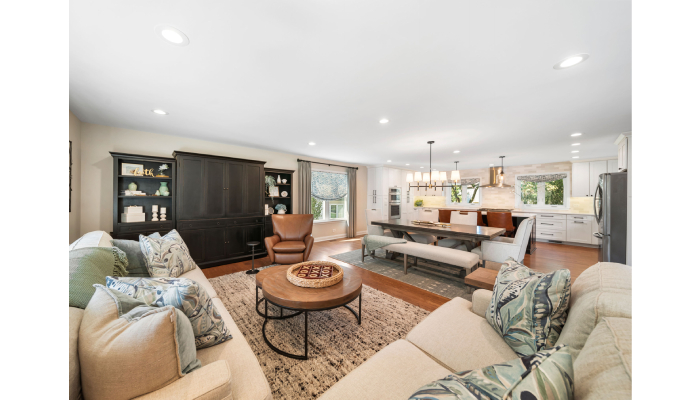
To effectively budget for your custom home in Florida, it’s crucial to grasp the cost breakdown estimates that shape your overall expenses. Start by understanding the major components, which include labor, materials, and overhead. Establishing a per-square-foot estimate is essential, as it provides a clear gauge for the project size and budget. For instance, basic custom homes typically range from $150 to $200 per square foot, while high-end options can soar to $450 or more. This means a mid-sized home of 2,500 square feet could cost anywhere from $375,000 to over $750,000, depending on your choices.
Don’t overlook additional costs that can sneak up on you, such as landscaping, driveways, and outdoor features, which might not be included in initial estimates. Be sure to request detailed itemized estimates from builders, allowing you to know exactly where your money is going and spot any potential savings. Familiarizing yourself with standard rates for materials and labor in the Florida market is another smart move, helping you avoid overpaying.
Factor in inflation as material costs can rise over time, especially if your project timeline extends. Seasonal impacts also play a role; certain times of the year can affect both labor and material costs in Florida’s humid climate.
Reviewing past projects in your area can provide valuable insights into costs and features that similar homes included. Additionally, consulting with appraisers can give you a realistic idea of your home’s value upon completion. Finally, keep an eye on how financing options, like interest rates and loan terms, can impact your overall budget and long-term financial health.
3. Key Areas to Invest In for Value
When budgeting for your custom home in Florida, it’s crucial to pinpoint the areas where your investment will yield the highest returns. First and foremost, focus on structural integrity. Quality materials for foundational and structural elements are essential, they ensure safety and longevity, protecting your investment for years to come.
Next, consider energy efficiency. Investing in high-efficiency appliances and systems not only enhances your comfort but also lowers long-term energy costs. Think about integrating smart home technology, which appeals to future buyers and can optimize energy use.
Kitchens and bathrooms are often the heart of the home and should command a significant portion of your budget. These areas typically provide the best return on investment when it’s time to sell. Choose durable materials that can withstand Florida’s humid climate, like impact-resistant windows and sturdy roofing.
Don’t overlook outdoor spaces either. Creating inviting outdoor living areas can greatly enhance your lifestyle and boost your property’s value. Sustainable options, like solar panels and rainwater harvesting systems, can also cut down on utility costs while being environmentally friendly.
Remember, it’s about quality over quantity. Investing in fewer high-quality features is often wiser than filling your home with lower-quality items. Always think long-term; prioritize investments that save you money over time, such as energy-efficient insulation and roofing. Lastly, consulting professionals like architects and builders can guide you in allocating funds effectively, maximizing the value of your custom home.
4. Exploring Construction Options
Exploring different construction options can significantly impact your budget and the overall look of your custom home in Florida. One exciting avenue is modular construction, which allows homes to be built off-site in sections and assembled quickly on your property. This method can often save you both time and money, reducing labor costs and minimizing delays caused by weather. Additionally, consider using pre-fabricated components like walls and roofs, which can further cut down on labor and speed up the construction process.
Researching alternative materials is also a smart move. For instance, using Insulated Concrete Forms (ICF) or Structural Insulated Panels (SIPs) can enhance energy efficiency while potentially lowering costs over time. If you’re looking to downsize, tiny homes are another trendy option that provides a minimalist lifestyle at a lower price point. These compact spaces can be designed to meet your needs without stretching your budget.
Eco-friendly options, such as building with recycled materials, not only help the environment but can also lead to long-term savings. Shipping container homes are gaining popularity as a unique and affordable housing solution, though it’s essential to check local building codes, as they may require additional modifications.
A design-build approach, where the same team manages both the design and construction, can streamline the process and keep costs under control. Be sure to explore financing incentives for sustainable building methods, as grants and programs may help offset costs. Finally, consulting with construction experts can provide valuable insights into the best construction methods for your budget, ensuring you make informed decisions.
5. Planning for Non-Negotiable Expenses
When budgeting for your custom home in Florida, it’s crucial to plan for non-negotiable expenses that can significantly impact your overall costs. First, understand that building permits can range from $1,200 to $2,500, and these are required before you can start construction. Don’t overlook impact fees, which can hit your budget hard, sometimes reaching up to $9,000 depending on where you are building. Utility hookups are another essential expense; expect to pay between $5,000 and $15,000 to connect your home to water, electricity, and sewage.
Additionally, budget for inspection fees throughout the construction process, these regular checks are vital to ensure your home complies with safety regulations. A land survey is also needed and can vary in cost, so setting aside funds for this is wise. If your new home will be part of a homeowners association (HOA), research their fees and rules beforehand to avoid surprises later on.
Don’t forget about initial landscaping costs, which can add a nice finishing touch to your home even if you plan to do more later. If you anticipate a lengthy build time, consider budgeting for temporary housing. Moving expenses are another factor; packing, transportation, and setting up utilities in your new home can add up quickly. Finally, set aside a portion of your budget for maintenance costs after your home is completed, ensuring you are prepared for ongoing upkeep.
6. Reviewing Financing Options
When planning to build your custom home in Florida, exploring financing options is essential. Start by looking into FHA loans, which can be particularly beneficial for first-time homebuyers, allowing for as little as 3.5% down payment. If your dream home is in a rural area, consider USDA loans, which often offer zero down payment, making homeownership more accessible. Veterans should definitely investigate VA loans, as they come with favorable terms and potentially no down payment requirement.
Conventional loans are another route, usually offering competitive rates but generally requiring higher down payments. If you’re focusing specifically on construction, understand construction loans, which are short-term loans that cover the building process and convert to a mortgage once completed.
It’s also wise to check for local programs that may assist with grants or funding for new home construction, especially for first-time buyers. Consulting with a mortgage broker can provide valuable insights and help you navigate the various financing options to find the best rates tailored to your situation.
Don’t forget to factor in closing costs as part of your budget, as these additional fees can significantly impact your overall expenses when securing a mortgage. Lastly, consider how refinancing options may play a role in your long-term financial strategy, allowing you to lower monthly payments down the line. Remember, a higher credit score can lead to more favorable loan terms and lower interest rates, so it’s beneficial to assess your credit health before diving into the financing process.