
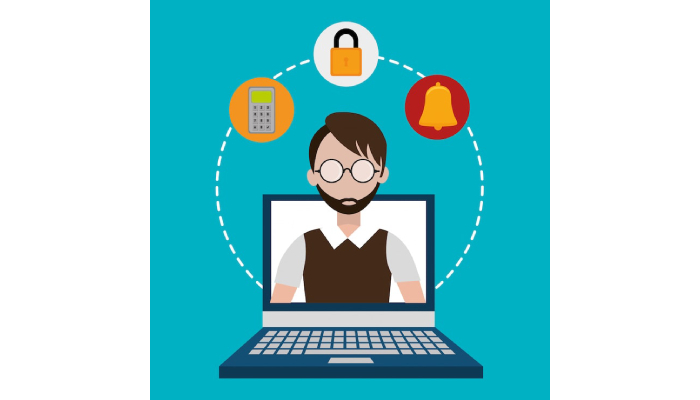
Remote proctoring tests are revolutionizing the way we assess knowledge, and there’s much more to them than meets the eye. For starters, they employ diverse methods like live monitoring and sophisticated AI-driven systems for added security. Did you know that identity verification often includes facial recognition along with multi-factor authentication? This makes impersonation very challenging. Accessibility is another important aspect, as many platforms cater to students with disabilities while also addressing technological disparities. Efficient automation lightens instructors’ workloads by flagging potential cheating automatically, letting them focus on teaching instead of administrative tasks. We also cannot overlook the future implications of advanced AI tools that might soon integrate virtual reality into these assessments!
1. Diverse Proctoring Methods: Live vs. Automated
Remote proctoring test come with a variety of monitoring methods, the most notable being live and automated proctoring. Live proctoring involves certified professionals who monitor the test-takers in real-time, ready to step in if they notice any suspicious behavior. This method offers a personal touch, as proctors can assist with technical issues or answer questions during the exam, creating a supportive atmosphere. On the other hand, automated proctoring leverages advanced AI technology to analyze test-takers’ movements and behaviors without human intervention. These systems can operate around the clock, making them particularly useful for students in different time zones. Some institutions even blend both approaches, providing the flexibility to choose the best option based on the exam’s nature and requirements. Interestingly, studies show that live proctoring can lead to higher pass rates, likely due to the reassuring presence of a proctor. Both methods aim to maintain a secure testing environment, but they come with their own unique advantages and challenges that educators must carefully consider.
- Live proctoring involves real-time monitoring by trained professionals, providing immediate intervention if suspicious behavior is detected.
- Automated proctoring uses AI algorithms to monitor test-takers, analyzing their movements and behaviors to ensure integrity without human oversight.
- Some platforms offer a combination of both methods, allowing flexibility based on the exam’s nature and requirements.
- Live proctors can engage with students, helping them through technical difficulties or answering questions during the exam.
- Automated systems can run 24/7, accommodating students in different time zones without the need for staff at all hours.
- Live and automated proctoring can complement each other, with live proctors reviewing flagged incidents from automated systems for final analysis.
- The choice between live and automated can depend on the scale of the exam, budget, and specific needs of the institution.
- Certain institutions have reported higher pass rates with live proctoring due to the supportive presence of a proctor during the exam.
- The technology behind automated proctoring is continuously evolving, with advancements improving accuracy in detecting anomalies.
- Both methods aim to create a secure testing environment, but they also come with unique challenges and benefits that educators must weigh.
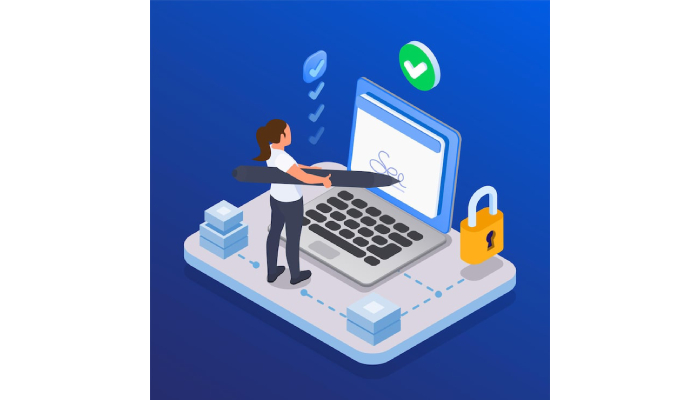
2. Identity Verification Techniques: Facial Recognition
Facial recognition technology plays a crucial role in remote proctoring tests by verifying a test-taker’s identity. This is done by matching their live image with a valid photo ID, ensuring that the right person is at the computer when it matters most. To enhance security, many systems incorporate liveness detection, which ensures that the image captured is not just a static photograph or a video playback. Some platforms may go a step further, requiring test-takers to answer security questions related to their personal information for added verification.
Privacy is a significant concern in this process, and many institutions address it by transparently informing candidates about how their data will be handled. It is crucial for test-takers to know that their biometric data, collected during the verification process, is typically deleted after the exam, further protecting their privacy. The integration of facial recognition technology not only streamlines the check-in process but also reduces wait times, making the exam experience smoother for students.
As technology continues to evolve, the accuracy of facial recognition improves, even in challenging lighting conditions and varying angles. This adaptability is paving the way for the adoption of facial recognition across different educational settings, from high schools to universities. In some cases, platforms even integrate voice recognition as an additional layer of identity verification, enhancing the security measures. Overall, the growing acceptance of these technologies in education is opening doors to future innovations in remote assessments.
3. Adaptability and Accessibility in Testing
Remote proctoring tests are taking significant strides in ensuring that all students can participate equally, especially those with disabilities. Many systems now come equipped with features tailored specifically for these students, such as adjustable time limits and support for assistive technologies like screen readers. This not only enhances the testing experience but also promotes fairness for everyone involved. For example, some platforms even offer alternative exam formats, such as oral assessments or interactive options, catering to various learning styles.
Recognizing the importance of accessibility, institutions are increasingly aware of the technological disparities students may face. Many remote proctoring programs have implemented solutions for those lacking reliable internet access or appropriate devices, demonstrating a commitment to inclusivity. This flexibility allows students to take their exams in environments where they feel comfortable, helping to alleviate anxiety and improve performance.
As remote assessments become more common, the feedback from students is invaluable in shaping future accessibility features. Educators are also adapting to individual needs, moving towards personalized assessment strategies that reflect a more inclusive educational approach. This gradual acceptance of remote proctoring marks a significant evolution in the way we think about assessments, promising a brighter and more inclusive future for all learners.
4. Impact of Remote Proctoring on Instructor Workload
Remote proctoring is changing the game for instructors, making their workload lighter and more manageable. With automated systems handling the monitoring, educators can shift their focus from administrative tasks to what really matters: teaching. These systems generate detailed reports on student behavior during exams, highlighting areas where students may be struggling, thus allowing instructors to provide better support. Instead of spending hours coordinating exam logistics, like scheduling and organizing rooms, teachers can utilize remote proctoring to streamline these processes.
Instructors also benefit from the ability to review flagged incidents after the exam, which helps them address academic integrity more effectively. This means they can focus on creating diverse assessments without the constraints of traditional in-person testing. Moreover, the time saved from monitoring can be redirected toward student engagement, mentorship, or even professional development. Some find that remote proctoring systems simplify grading and assessment, leading to quicker feedback for students. Although initial training may be necessary, the long-term benefits of reduced workload and improved student outcomes make it worthwhile. As remote proctoring becomes more common, institutions will need to adapt support structures so that educators can fully embrace this innovative technology.
5. The Future of Exam Integrity with AI
The future of exam integrity is set to change dramatically with advancements in AI technology. As AI evolves, it offers enhanced capabilities for detecting cheating and ensuring a fair testing environment through advanced monitoring systems. For instance, future proctoring solutions may incorporate behavioral analysis, establishing baseline behavior patterns for individual test-takers. This means that AI could potentially flag unusual activities that suggest collusion among students, significantly increasing the integrity of remote assessments.
As we look ahead, ethical considerations regarding data privacy and student surveillance will play a crucial role in shaping these technologies. It’s vital to strike a balance between utilizing AI for monitoring and respecting students’ privacy rights. Moreover, emerging technologies like virtual reality may redefine the testing landscape, making assessments more immersive and engaging for learners.
AI isn’t just about monitoring; it may also provide real-time feedback during exams, helping students understand their performance instantaneously. Educational institutions are beginning to explore how AI can assist in creating personalized learning experiences, tailoring assessments to meet individual needs. However, the integration of AI in remote proctoring systems will likely spark ongoing discussions around transparency and accountability in assessment practices.
Ultimately, the future of exam integrity hinges on balancing innovative technology with ethical considerations, ensuring that all students are treated fairly in this rapidly evolving landscape.
Frequently Asked Questions
What exactly is remote proctoring and how does it work?
Remote proctoring is a way to monitor exams online, ensuring that students follow the rules while taking tests from home. Using webcams, microphones, and special software, it records the test-taker’s actions and surroundings to prevent cheating.
Are my privacy and data safe during a remote proctoring test?
Yes, remote proctoring systems usually have strict security measures in place. They typically secure your personal information and have guidelines to protect your privacy, like not sharing recorded materials without consent.
Can I use my own device for remote proctoring tests?
Most of the time, yes! You can usually use your own computer or laptop, but check if it meets specific technical requirements set by the testing provider to ensure a smooth testing experience.
What happens if there is a technical issue during my remote proctoring test?
If technical problems arise, many remote proctoring services have support teams available to assist you. They can help troubleshoot issues and often have procedures to ensure you can complete your test.
Are remote proctored tests as fair as in-person exams?
Most remote proctoring systems aim to create a fair testing environment. They use technology to monitor behavior and limit cheating, making them a reliable alternative to traditional in-person exams.